
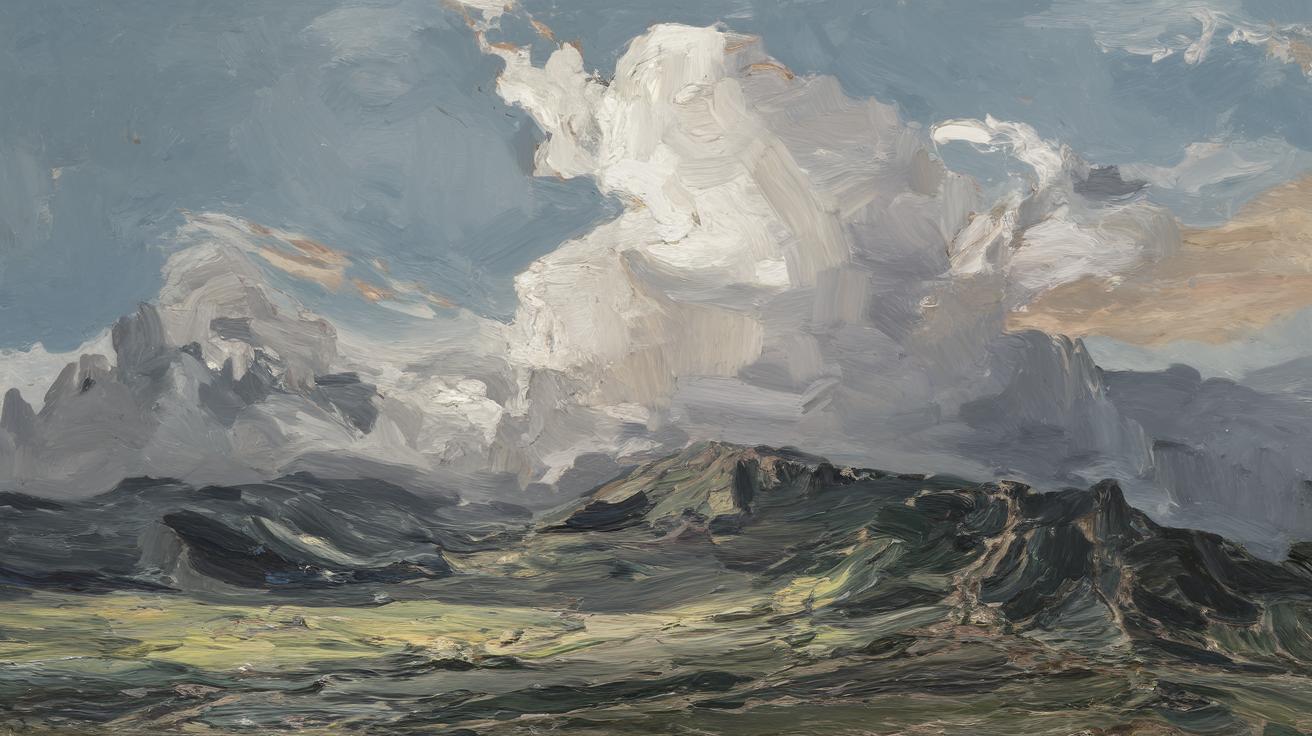
Life in the Sky Painting
Paintings of the sky have always captivated artists and viewers alike, offering both technical challenges and limitless opportunities for creative expression. From the play of light and color to the diverse forms of clouds and weather phenomena, painting the sky requires a unique blend of skill and imagination. This blog post delves into various aspects of sky painting, providing insight into how artists can capture the breathtaking beauty and dynamic nature of the sky on canvas. We’ll also offer practical tips to help both novice and experienced painters deepen their understanding and mastery of this subject, encouraging them to bring their own visions to life. Finally, a summary table will provide a convenient overview of the key points discussed, serving as a handy reference for your next painting endeavor.
Am I dreaming?
The allure of painting the sky often feels like stepping into a dream, where reality and imagination blend seamlessly. Artists have long been drawn to the vastness and mystery above, using their canvases to capture the ethereal qualities of the sky. The idea that we could encapsulate such infinity within the confines of a framed space is both tantalizing and humbling. Yet, this endeavor is not just an exercise in capturing visuals; it’s about expressing the emotions and narratives that the sky evokes.
Many renowned artists have approached sky painting with a sense of reverence and curiosity, exploring how light and space can dramatically alter mood and perspective. Whether it’s the serene sunsets of J.M.W. Turner or the swirling, tempestuous skies of Vincent van Gogh, these paintings often reflect a search for deeper meaning beyond the visible. They ask us to consider how if, only for a moment, the impossible can seem tangible and how dreams can be transferred into reality through art.
1. Color and Light
The sky offers a continually changing palette of color, distinct from any other subject matter an artist might attempt to paint. Its hues shift with the time of day, from the soft pastels of dawn to the bold, fiery shades of dusk, each atmospheric layer reflecting light in unique ways. Understanding how light interacts with the elements of the sky is key to capturing its vitality and vibrancy. Artists must learn to observe not just the dominant colors, but also the subtle gradations and the interplay of warm and cool tones.
Light is the primary source of both inspiration and challenge in sky painting. An artist must become attuned to the nuances of luminosity, learning how shadows play across clouds and how sunlight glints off raindrops or snowscapes. Mastering such details requires practice and a willingness to experiment with techniques that capture the fluidity of these effects. As John Constable famously noted, painting is an attempt to capture light itself – an ephemeral resource that transforms a semblance of the natural world into a work of art.
2. Clouds and Their Forms
Clouds are perhaps the most dynamic component of sky paintings, serving as catalysts for both drama and serenity. Their shapes could be reflective of calm, still days, or they might portray a turbulent environment preceding a storm. In translating these onto canvas, artists observe the way these masses change over time, adapting their techniques to match the ever-shifting forms.
Beyond their shapes, clouds provide texture to the sky’s canvas. From the wispy strokes of cirrus clouds to the rolling cotton-like cumulus, capturing their texture and movement is essential to making the painting come alive. Artists can employ various brushstrokes and layering techniques to replicate the fluffy, ethereal appearance of clouds, ensuring they complement rather than detract from the sky’s overall composition. Understanding this balance is crucial, as clouds add depth and dimension while serving as focal points that guide the viewer’s eye across the artwork.
3. Weather and Mood
The portrayal of weather in artwork dramatically influences the mood and atmosphere of a painting. Be it the clear, piercing brilliance of a sunny day or the ominous expectancy of an impending storm, each weather condition tells its own story and invites personal interpretations. The challenge here lies in transpiring these transitory effects onto a stable canvas and capturing the energy inherent in these natural phenomena.
Rain, snow, fog, and other meteorological conditions intensity and narrative power often inform the emotional tone of the artwork. For instance, a painting of a sky filled with dark, swirling clouds and faint lightning may convey a sense of foreboding or tension. In comparison, a clear sky denoting calm and invigoration. Artists use these elements not only to depict nature but also to evoke feelings and engage the viewer on a visceral level, transforming a static image into a lived experience.
Practical Tips for Painting the Sky
For artists eager to delve into sky painting, starting with direct observation is crucial. Spend time outdoors, noting how colors and shadows shift throughout the day. Plein air painting, the act of painting landscapes outdoors, offers invaluable opportunities for artists to study the sky’s nuances in real-time, honing their skills in capturing fleeting moments.
In terms of technique, layering is a fundamental skill for creating depth and dimension in sky paintings. Begin with broad, sweeping strokes of color to lay down the groundwork for the sky, gradually adding more precise details as you go. Allow each layer to dry before adding more, especially when working with oils or acrylics. Additionally, experimenting with different brushes can introduce a variety of textures, helping to replicate the softness of clouds or the sharpness of a morning light.
Next Steps
| Section | Summary |
|---|---|
| Am I dreaming? | Explores the dreamlike quality of sky painting, blending reality with imagination and emotions. |
| Color and Light | Discusses the changing palette of the sky and the role of light in capturing its vibrancy on canvas. |
| Clouds and Their Forms | Examines the dynamic role of clouds in art, including their forms and textures. |
| Weather and Mood | Describes how weather conditions influence the emotional tone and narrative of sky paintings. |
| Practical Tips for Painting the Sky | Offers guidance on techniques and practices for artists to enhance their sky paintings. |
Im FUXSTUDIO entstehen maßgeschneiderte Designs, die deine Visionen zum Leben erwecken – von durchdachten Layouts ✓ über prägnante Logos ✓ bis hin zu ansprechendem Webdesign ✓ und professionellen Print-Lösungen, wie Flyer- ✓, Plakat ✓ oder Broschürendesign. ✓

