
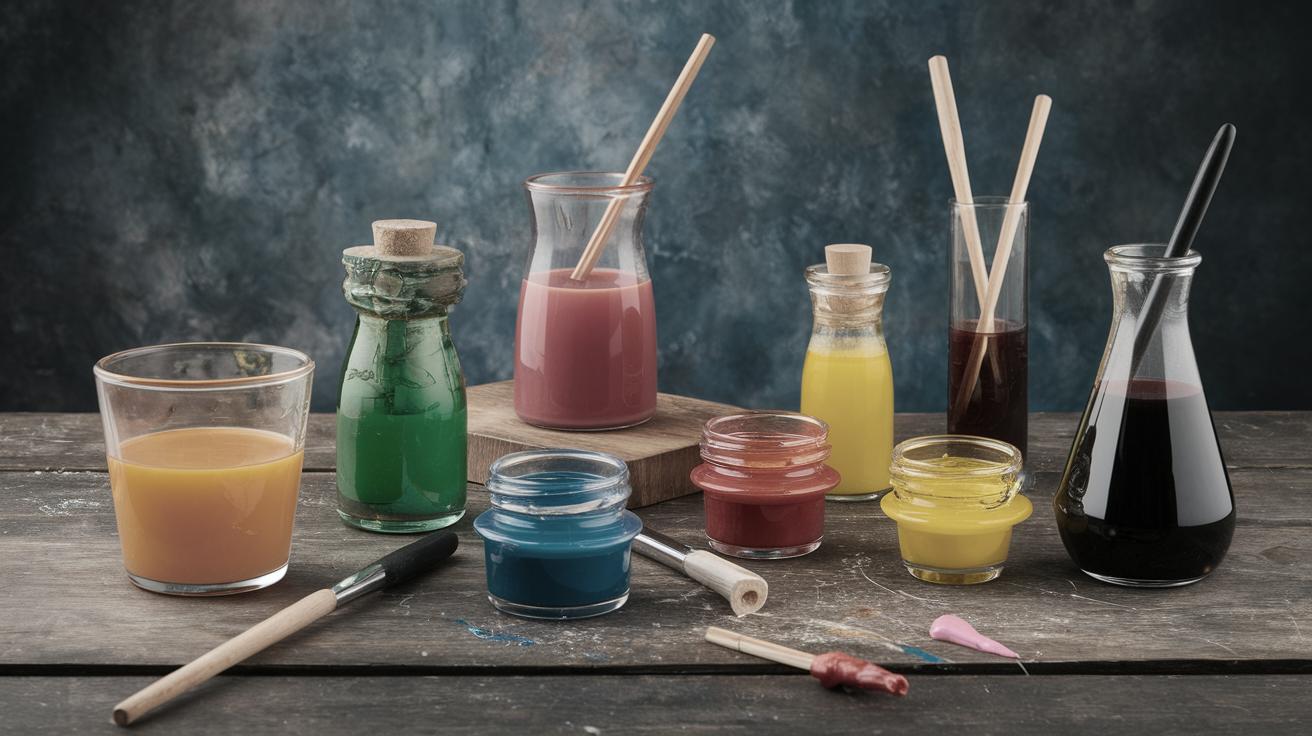
Unlocking the Art of Oil Paint: A Creative Journey into Natural Earth Pigments and More
Creating your own oil paint is a rewarding and fulfilling process that allows artists to connect deeply with their materials. This guide will walk you through the essentials of making oil paint from natural earth pigments, offering a glimpse into the magic of transforming raw minerals into vibrant hues. From gathering supplies to painting still lifes, we explore key aspects of oil painting, celebrate art in various forms, and provide insights into the works of notable artists. We also touch on exciting art workshops and schools, ending with a look at Frank Ordaz’s journey from the world of film to crafting landscapes. Dive into this artistic exploration and learn how to bring your own creative visions to life on the canvas.
Natural Earth Pigment – Oil Paint Guide
For centuries, artists have relied on natural earth pigments to create their oil paints. These pigments, derived from minerals, plants, and other organic materials, offer a richness and depth that synthetic colors sometimes lack. The process of making oil paint involves mixing these natural pigments with a binding agent, usually linseed oil, to create a smooth, spreadable paint.
Understanding the different types of earth pigments is crucial for any artist looking to create their own paint. Common natural pigments include ochres, umbers, and siennas, each offering distinct characteristics and hues. The choice of pigment affects not only the color but also the texture and drying time of the finished paint. By experimenting with different combinations, artists can achieve an array of personalized shades tailored to their artistic vision.
Here are the Supplies I Used to Make Natural Pigment Oil Paint:
To make oil paint, start by gathering high-quality natural pigments. Look for finely ground powders free of impurities, as purity can greatly influence the final color and texture. You’ll also need refined linseed oil, which acts as the binder, and a glass slab or palette for mixing the ingredients smoothly.
Additional supplies include a muller, used to grind the pigment and oil together into a fine paste, and small jars or tubes for storing your completed paint. Remember to equip yourself with mortar and pestle for larger batches, and wear a mask and gloves for safety when handling dry pigments. With these tools at hand, you’re ready to begin the paint-making process, ensuring a seamless blend of tradition and creativity.
My Still Life Painting “Roses and Copper” In 5 Steps
Creating my still life painting “Roses and Copper” involved a thoughtful process that highlights the beauty of everyday objects. Step one was selecting and arranging the subjects: fresh roses, a copper pot, and a backdrop of muted tones to frame the composition. This stage set the emotional tone and guided the color palette choice.
Next, I prepared the canvas with a toned background, sketching the basic outlines using a soft charcoal pencil. Steps three and four involved layering: using my handmade oil paints, I laid down background colors, then gradually built up the foreground elements. The final step emphasized highlighting and shadowing techniques to create depth and realism, bringing the still life to life.
Painting of the Week: “Contemplating”
“Contemplating” captures the serene moments of introspection, drawing the viewer into a timeless, tranquil setting. The composition highlights a solitary figure absorbed in thought amidst a soft backdrop, evoking feelings of calm and introspection. The color scheme uses subtle earth tones, enhancing the peaceful ambiance.
This painting demonstrates the power of simplicity and emotion in art. Through gentle brushstrokes and the delicate interplay of light and shadow, “Contemplating” invites the viewer to pause and reflect, making it a standout piece in any collection. It exemplifies how oil paint’s versatility can convey mood and emotion in a single frame.
Bringing Nature to Life: The Realistic Landscapes of Scott Christensen
Scott Christensen’s landscapes are renowned for their stunning realism and vibrant portrayal of nature. Using a combination of natural pigments and traditional techniques, Christensen breathes life into sprawling vistas, capturing the subtle nuance of light and atmosphere. His work invites viewers to enter a world where nature’s beauty reigns supreme.
Central to Christensen’s process is his meticulous attention to detail and commitment to authentic color representation. With a palette drawn from natural earth tones, he creates landscapes that feel immediate and alive. His paintings serve as a lesson in harnessing the power of observation and artistry to celebrate the grandeur of the natural world.
Your 2025 Guide to Art Workshops, Schools, and Ateliers
For artists seeking to hone their skills, art workshops, schools, and ateliers offer invaluable opportunities for growth and inspiration. The 2025 guide is your compass to finding programs that match your personal style, from classical training ateliers to modern multimedia workshops.
Programs around the globe continue to innovate, embracing both traditional techniques and contemporary practices. Whether you’re interested in a focused study on oil painting or expanding your expertise in digital media, there’s a wealth of programs available. Engaging with like-minded artists and mentors can transform your creative practice, providing insight, support, and new perspectives.
From Lucasfilm to Lake Tahoe: Frank Ordaz on Light, Legacy, and Landscape
Frank Ordaz is an artist with a unique journey, transitioning from a distinguished career at Lucasfilm to painting the serene landscapes of Lake Tahoe. His work blends cinematic influence with the timeless beauty of the natural world, making his paintings rich with narrative and artistic flair.
Ordaz’s artistic legacy is characterized by his exceptional understanding of light and composition. His ability to capture the nuanced interplay of sunlight across different landscapes is a testament to his keen observational skills and deep appreciation for nature. His story inspires aspiring artists to explore diverse paths and reminds us of the endless possibilities within the realm of art.
Lessons Learned: Embracing Creativity and Tradition
| Section | Highlights |
|---|---|
| Natural Earth Pigment – Oil Paint Guide | Explored the history and significance of natural pigments in oil paint. |
| Supplies for Making Oil Paint | Identified essential tools and materials for creating your own oil paints. |
| “Roses and Copper” Step-by-Step | Described the process of creating a still life painting. |
| Painting of the Week: “Contemplating” | Highlighted the emotional impact of a single painting. |
| Realistic Landscapes of Scott Christensen | Showcased the work of an artist renowned for realistic landscapes. |
| 2025 Guide to Art Workshops | Introduced resources for artists seeking educational opportunities. |
| From Lucasfilm to Lake Tahoe | Shared the career evolution of artist Frank Ordaz. |