
Welcome to the intricate world of oil painting, a realm as rich and layered as the canvases waiting for your brush’s touch. This guide aims to arm beginners with practical knowledge about essential tools and techniques, focusing primarily on the four basic types of brushes crucial for any budding artist. As you progress in your artistic journey, experimenting with different subjects—from quick sketches of birds to detailed floral studies—can vastly improve your skills. We’ll explore the importance of design and values, learn to capture the essence without over-detailing, and appreciate nuanced compositions like “Old Copper and Fruit.” This blog post not only presents foundational ideas but invites you to envision further growth in your painting pursuits.
How to Paint: Four Basic Types of Brushes
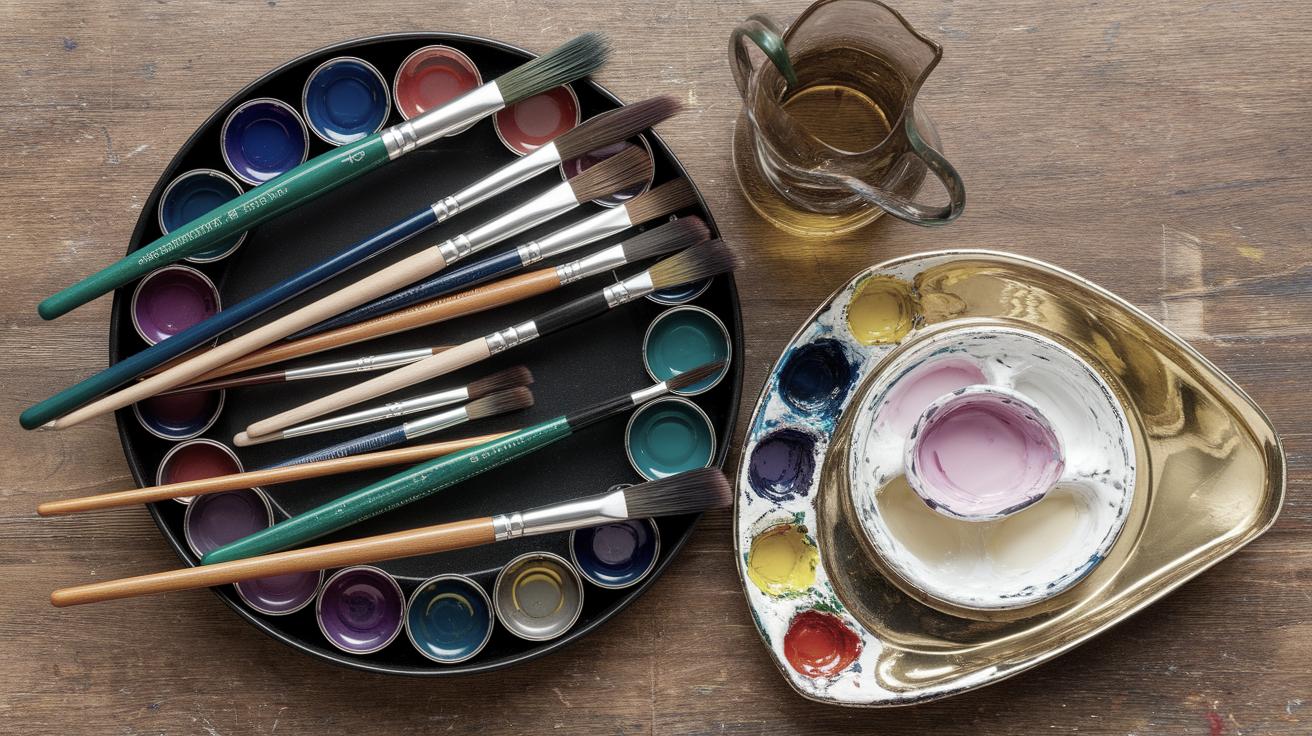
Oil painting begins with understanding the essential tools, and brushes are at the top of the list. There are four basic types of brushes that every beginner should know: flat, filbert, round, and fan. Flat brushes are ideal for bold strokes and can be used to cover areas precisely. With their straight edges, they provide control and the ability to create both broad and fine strokes.
Filbert brushes, on the other hand, have a rounded edge allowing for greater versatility. They are perfect for blending and creating soft, circular strokes, making them indispensable in painting subjects requiring gentle transitions. Round brushes, with their pointed tips, are excellent for detail work and fine lines. Lastly, fan brushes are used mainly for blending and creating texture, such as feathers, grass, or hair in your paintings.
10-Minute Thumbnail Sketch Challenge: Birds
For beginners looking to enhance their skills, the 10-minute thumbnail sketch challenge is a fantastic exercise. Birds, with their dynamic postures and intricate details, offer an exciting challenge. The key is to focus on capturing the essence and movement rather than getting bogged down in minutiae. Set a timer, and in just ten minutes, try to capture the fundamental shapes and positions of the bird.
This practice not only trains your eye to see proportions but also helps improve your speed and efficiency. By regularly sketching, you’ll find yourself getting better at making quick decisions about line and form, important skills in painting.
A Floral Spotlight: Each Iris Has Its Own Personality
One of the joys of painting florals is discovering that each flower, like an iris, has its unique personality. When painting irises, it is crucial to observe the subtle variations in petal shapes, colors, and how light interacts with them. Irises are complex, with their overlapping petals and vibrant hues—purple, blue, yellow, and white.
Start by laying down the major shapes with a flat or filbert brush, then switch to a round brush for detailing the intricate petal edges and textures. Use a variety of brushstrokes to depict the delicacy of the petals and the robustness of the stems, paying careful attention to the play of light and shadow.
Starting a Painting with Design and Values
Good paintings often start with a solid design and an understanding of values. Before beginning your piece, take time to lay out the composition, ensuring a balanced distribution of elements and an engaging flow for the viewer’s eye. Choosing the right design helps to guide your painting process.
Equally crucial is understanding values—the lightness or darkness of tones. Values help in creating depth and focus within your painting. By establishing a clear plan for your painting’s values, you ensure that your artwork effectively communicates the intended emotional message and visual impact.
Indicate, Don’t Illustrate
In oil painting, it’s often more powerful to suggest than to depict every detail. This principle—indicate, don’t illustrate—frees you to focus on the painting’s overall impression rather than painstaking minutiae that can detract from the viewer’s experience. This approach allows the viewer’s imagination to fill in details, making the artwork more engaging.
Utilize brush techniques that convey the essence of a subject rather than exhaustive detail. This might mean using broad strokes for backgrounds, hints of light and shadow for dimension, or a quick dab for highlights. Mastering this approach takes practice but adds a level of sophistication and openness to your paintings.
Painting of the Week: “Old Copper and Fruit”
This week, we take a closer look at “Old Copper and Fruit,” a stunning representation of still life that captures a timeless scene with remarkable texture and warmth. The copper container, with its subtle gleams and aged patina, offers a foil for the vibrant fruits resting beside it. The artist has expertly handled the play of light across the metallic surfaces and the soft, rounded forms of the fruit.
Pay attention to how textures are rendered using different brushes, such as the filbert for smooth gradients and the fan brush for more textured surfaces of the fruits and highlights along the copper. The piece is a lesson in marrying detail with broader composition, offering an exquisite balance between indication and illustration.
Future Prospects
| Topic | Details |
|---|---|
| Brush Types | Intro to flat, filbert, round, and fan brushes. |
| Quick Sketching | 10-minute bird sketches to enhance speed and observation. |
| Floral Painting | Capturing the uniqueness of each iris. |
| Starting a Painting | Focusing on composition design and value distribution. |
| Artistic Technique | Highlighting importance of indication over illustration. |
| Weekly Spotlight | Analysis of the still life “Old Copper and Fruit”. |

