
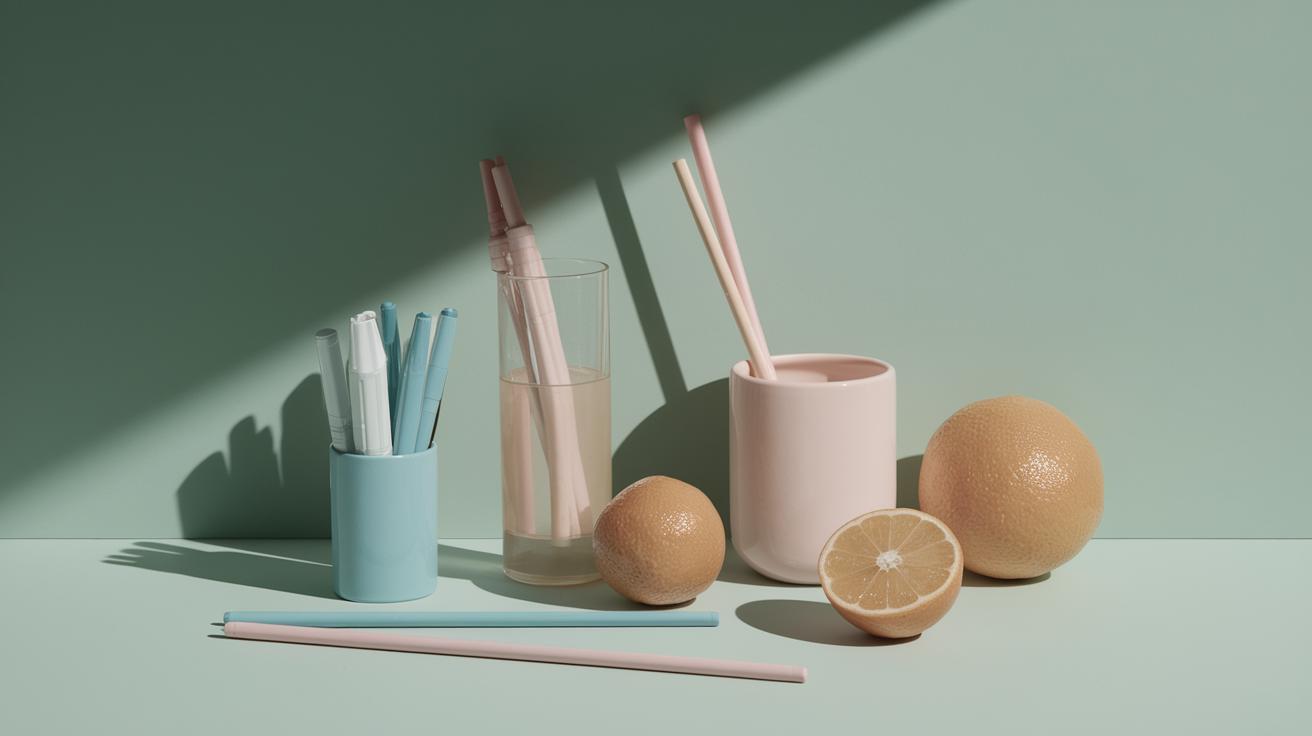
Unveiling the Secrets of Still Life Art: A Journey Through Digital Painting and Value Studies
Emphasizing the captivating interplay between light and shadow, still life art provides a profound exploration into the artistic world. This blog post delves into the realm of digital painting, introducing the transformative technique of value studies with a focus on mastering Notan. It also offers practical advice on winning art competitions and shares an intimate look at the artistic process through a step-by-step guide to my painting, “Roses and Copper”. Finally, readers are introduced to the painting of the week, “Contemplating”, offering insights into its creation and impact. Embark on this artistic journey to uncover the nuanced beauty of still life masterpieces.
What Is Digital Painting?
Digital painting is a revolutionary art form that enables artists to create intricate visuals through digital tools. Unlike traditional painting, which relies on physical mediums such as canvas and paints, digital painting utilizes software programs that mimic traditional techniques. These programs offer an extensive array of brushes, textures, and color palettes, allowing artists to explore countless possibilities without the constraints of the tangible world.
As an increasingly popular medium, digital painting has a democratizing effect on the art world. It provides a platform for artists to experiment freely, as they can easily undo mistakes and iterate on designs without the high costs associated with traditional materials. Moreover, digital painting facilitates the seamless integration of various artistic styles, genres, and influences, enabling creators to push the boundaries of their artistic expressions.
The Benefits of Value Studies: Mastering Notan
Value studies are an essential exercise for artists seeking to enhance their ability to depict light and shadow. By focusing on the interplay of contrasting elements, artists develop a keen understanding of how to achieve balance and harmony in their compositions. Notan, a Japanese term meaning “light-dark harmony,” is a practice that emphasizes this contrast, offering a profound insight into the aesthetics of composition.
Mastering Notan allows artists to create visually compelling pieces that captivate viewers. By simplifying a scene into its fundamental light and dark components, artists can plan the overall composition and mood with greater precision. This technique not only sharpens an artist’s technical skills but also augments their creative process, leading to more evocative and engaging artworks.
How to Win Art Competitions
Entering art competitions is an excellent way for artists to gain exposure and receive feedback on their work. A crucial factor in attaining success in these contests is originality. Artists should strive to present unique interpretations and perspectives that distinguish them from other competitors. An innovative approach often catches the eye of judges, offering a fresh perspective on conventional subjects.
Additionally, understanding the competition’s criteria is vital to crafting a winning submission. By thoroughly reviewing the guidelines and past winners, artists can tailor their entries to align with the judges’ preferences. Furthermore, presenting a coherent body of work that reflects both technical skill and artistic vision is paramount in leaving a lasting impression.
My Still Life Painting “Roses and Copper” In 5 Steps
Creating “Roses and Copper” was a meticulous process that involved capturing the delicate balance of natural and metallic elements. The project began with preliminary sketches to establish the composition and focal points. Observing the interaction between the soft petals and the lustrous copper surface was key to achieving harmony in the piece.
Next, I outlined the main elements and refined the initial drawing, focusing on the intricate details of the roses and the textural intricacies of the copper. Laying down a monochromatic underpainting allowed me to explore the depth and dimension of shadows before gradually building up layers of color to enrich the visual narrative. Finally, meticulous highlights and reflective nuances were added to heighten the depth and realism, culminating in the completed artwork.
Painting of the Week: “Contemplating”
“Contemplating” is a still life painting that captures the serene beauty of an ephemeral moment. The artwork vividly portrays a quiet scene bathed in the subtle glow of low light. The thoughtful arrangement of objects encourages viewers to ponder the narrative beyond the canvas, where shadow and light intermingle to create a sense of contemplation.
This artwork exemplifies the powerful combination of simplicity and complexity inherent in still life painting. Its underlying narrative invites reflection and personal interpretation, while the artist’s deft manipulation of form and space invites lasting admiration. As “Contemplating” continues to capture audiences with its tranquil allure, it stands as a testament to the timeless elegance of still life art.
Lessons Learned
| Topics | Key Takeaways |
|---|---|
| What Is Digital Painting? | Exploration of digital tools offers endless creative possibilities without physical constraints. |
| The Benefits of Value Studies: Mastering Notan | Understanding light-dark harmony enhances compositional balance and mood. |
| How to Win Art Competitions | Originality and adherence to guidelines are key in creating standout submissions. |
| My Still Life Painting “Roses and Copper” In 5 Steps | Gradual layering and attention to detail are essential in crafting lifelike scenes. |
| Painting of the Week: “Contemplating” | Simplicity combined with depth invites thoughtful viewer engagement. |