
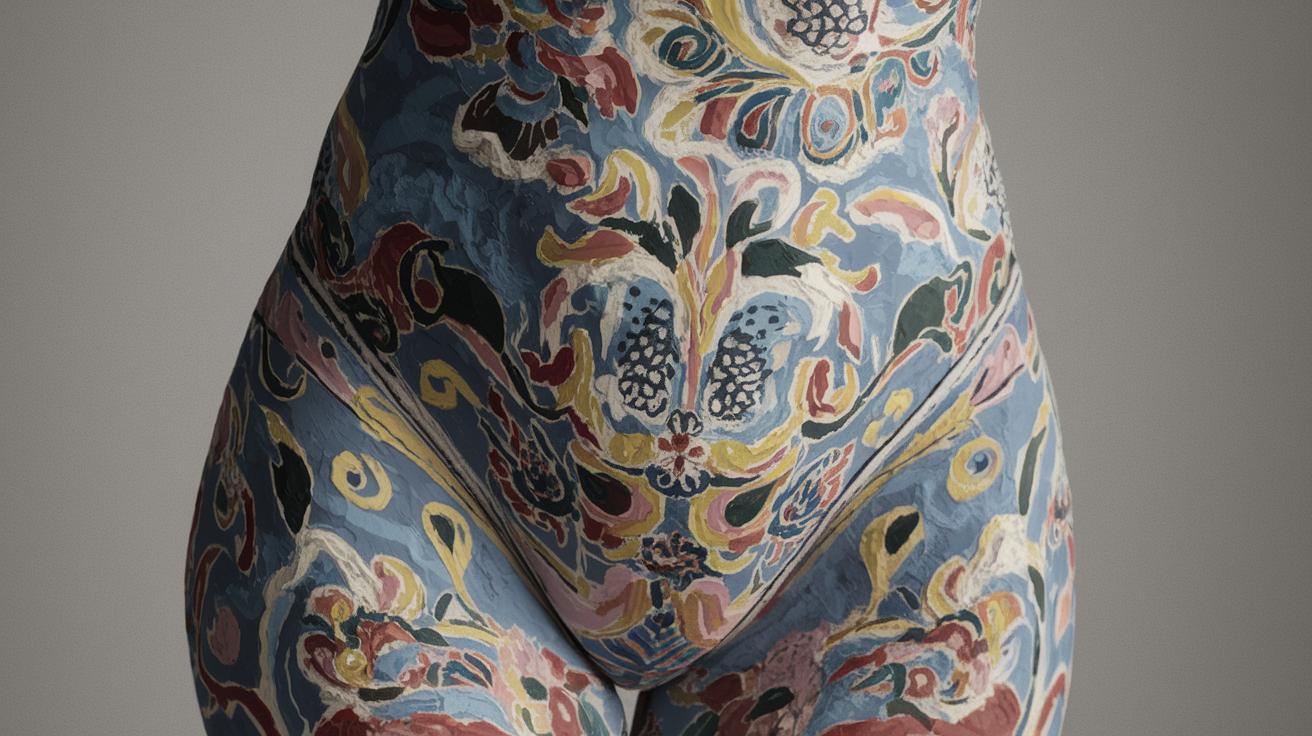
Exploring the Art of Painting the Human Body
Painting the human body is an intricate art form that spans centuries, echoing a diverse range of cultural, emotional, and aesthetic dimensions. This blog post delves into the complexities of painting human figures, focusing on the use of colors, techniques, and the emotional resonance such art evokes. We’ll explore various aspects of this craft—from local colors to skin tones and reflected hues, while also highlighting some remarkable artists and their unique approaches. Take a journey through the interplay of design and values in body art and learn the nuances of suggesting form without overt illustration, enriched with snippets from artists’ stories and specific art pieces. A colorful world is waiting to unfold!
Local Colors
The technique of painting involves capturing the innate hues that define an object’s most authentic state, known as local colors. In body painting, understanding local colors means recognizing the various shades found naturally in the human body. These include the subtle variations in skin tones, the warmth of blush on cheeks, and the contrast of the lips.
Local colors serve as the foundation for capturing a figure realistically. They help in establishing a primary palette that can be nuanced with shadows and highlights. Artists often study the human form diligently to understand how local colors change in varying lights and contexts, noting the tiny details that can make a painting come alive.
Painting the Figure: Skin Tones
Skin tones are among the most challenging yet rewarding aspects of painting the human body. A diverse palette is required to recreate the vast spectrum that human skin can possess, from the palest creams to the deepest browns. The subtlety of transitions between hues is crucial in creating depth and life.
A proficient artist captures not just the color, but the texture and the interplay of light upon skin. The process involves layering and mixing colors, using brushes and techniques that capture the reflective and absorbent qualities of different skin types. This intricate detailing requires a sensitive appreciation of color theory and brushwork skill.
Painting the Figure: Reflected Colors
Reflected colors are those that reach the surface of the body from the surrounding environment, altering the perception of local colors. Painting these hues requires a keen understanding of lighting, reflection, and their effects on the human form.
Artists must consider the ambient light sources and how they interact with the body’s contours. This might include the blue cast of a sky or the radiant warmth of a nearby fabric. Successfully incorporating reflected colors into a painting can lend additional realism and vibrancy to the artwork.
The Body
The human body has been a central subject in art throughout history, serving as a canvas where artists express emotions, narratives, and perspectives. The intricacies of anatomy and the emotive capacity of the human form make it an endless source of artistic inspiration.
The body’s portrayal in art reflects cultural attitudes and personal insights. Whether through classical figure studies or avant-garde representations, artists use the body to explore identity, vulnerability, and strength. Each paint stroke contributes to a dialogue between the observer and the observed.
But How to Paint These?
Embarking on the journey of painting the body requires not just technical skills but a sense of intuition and observation. It involves understanding the body’s contours, listening to the stories each curve and angularity tells, and translating these into visual language.
Artists often start with preliminary sketches, capturing basic forms and gestures. Progressively, they build layers, revisiting and refining until the body in the painting feels tangible, almost alive. Mastering this requires patience and dedicated practice, fostering a lifelong journey of discovery and mastery.
Combinations of Colors
The magic of body painting often lies in the combinations of colors and how they are orchestrated on the canvas. An artist blends a palette specifically chosen to highlight the complexities and nuances of the human figure, using color to convey mood and emotion.
In practice, this could mean using complementary colors to create vibrant contrasts or employing analogous colors for a harmonious feel. Understanding color combinations and the emotional weight they carry is crucial in driving the narrative of the artwork, enhancing both visual intrigue and emotional depth.
Of all of the forms of art I have a hand in, body art is by far my favorite.
Body art holds a special place in my artistic journey, as it combines the tactile with the visual, allowing for a dynamic interaction with form and space. Engaging with the human body as both subject and canvas challenges and inspires me, as every instance offers a new story and perspective.
Alicia Cobb
Alicia Cobb is an artist who excels in the realm of body painting. Her work challenges the boundaries of traditional canvas painting, reaching an expressive potential that resides uniquely in using the human body as a canvas. Her pieces often reflect themes of nature, identity, and transformation.
10-Minute Thumbnail Sketch Challenge: Birds
To hone their skills, artists might engage in quick sketch challenges. One intriguing exercise is the 10-minute thumbnail sketch challenge themed around birds. It pushes the boundaries of speed and creativity, compelling the artist to capture form and essence without the luxury of time.
A Floral Spotlight: Each Iris Has Its Own Personality
Much like people, flowers have unique personalities and characteristics. When painting irises, an artist captures not only the vibrant colors and intricate shapes but the essence that makes each bloom distinct. This practice can enhance an artist’s approach to capturing personality in human figure painting.
Starting a Painting with Design and Values
Beginning a figure painting with a focus on design and value sets the stage for a successful composition. By first addressing the design, artists ensure that the painting will effectively guide the viewer’s eye. Values, or the range of light and dark, further define the composition’s dimensions and forms.
Indicate, Don’t Illustrate
One of the foundational concepts in painting the human body is to indicate rather than illustrate. This means suggesting form and movement through brushwork and color complementary to the eye’s perception, rather than delineating every detail explicitly. Such techniques lend an air of mystery and dynamism to artwork.
Painting of the Week: “Old Copper and Fruit”
This week’s featured painting, “Old Copper and Fruit,” exemplifies the mastery of light, color, and form. Through this piece, the artist conveys texture and warmth, utilizing nuanced color palettes and strategic lighting. It serves as inspiration for contemplating how these elements can translate to painting the human body.
Summary of Main Points
| Section | Main Points |
|---|---|
| Local Colors | Foundation of painting realistic figures by understanding the innate hues of the human body. |
| Painting the Figure: Skin Tones | Challenges of diverse skin tones and creating depth with layers. |
| Painting the Figure: Reflected Colors | Influence of ambient light and reflection on coloring the form. |
| The Body | The body as a canvas for cultural expressions, narratives, and emotions. |
| But How to Paint These? | Importance of observation, preliminary sketches, and building layers. |
| Combinations of Colors | Using color combinations to enhance mood and depth in art. |
| Of all of the forms of art… | Personal reflections on the exceptionalism of body art. |
| Alicia Cobb | Exploration of a notable body artist’s work and themes. |
| 10-Minute Thumbnail Sketch Challenge: Birds | Quick sketch exercises and their importance in skill development. |
| A Floral Spotlight: Each Iris Has Its Own Personality | Drawing analogies between floral individuality and human painting techniques. |
| Starting a Painting with Design and Values | Importance of preliminary design and value mapping in compositions. |
| Indicate, Don’t Illustrate | Principle of suggestion over explicit illustration in figure painting. |
| Painting of the Week: “Old Copper and Fruit” | Analyzing a specific artwork for inspiration in body painting techniques. |

