
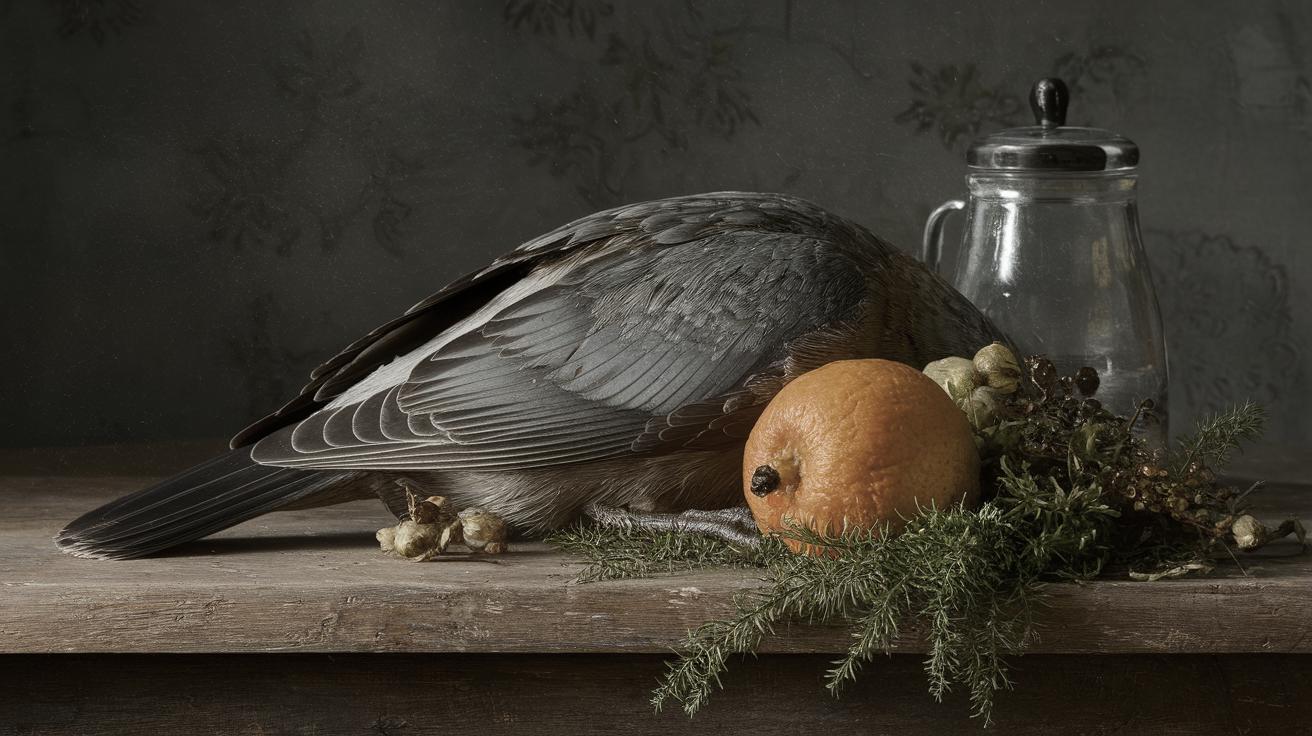
The Art and Intrigue of Still Life: Dead Bird Paintings
In the rich tapestry of art history, still life paintings have occupied a prominent place, offering artists a unique opportunity to delve into the intricate beauty of everyday objects. Among the subject matter that has intrigued both artists and viewers are still life paintings of dead birds. Far from being mere depictions of mortality, these artworks often serve as profound meditations on life, death, and the transient nature of existence. In this blog post, we will explore the historical context of these works, analyze their symbolic meanings, discuss their artistic techniques, and consider their relevance in contemporary art. Additionally, we will touch upon the future prospects for this intriguing genre that continues to captivate art enthusiasts and collectors alike.
Historical Context: Still Life and Vanitas
Still life paintings have a storied history, dating back to the eras of ancient Egypt and Rome, where artists depicted objects of daily life with precision and care. However, it was during the Dutch Golden Age in the 17th century that still life painting truly flourished as an art form. Particularly intriguing within this genre were Vanitas paintings, which often incorporated symbols of death such as skulls and dead birds. These artworks weren’t merely grim visual catalogues; rather, they served as a poignant reminder of the impermanence of life.
Vanitas still life paintings, especially those featuring dead birds, provided artists with a platform to explore the dualities of beauty and decay, life and death. They were reflective of the socio-cultural milieu of their time, speaking volumes about the religious and philosophical thoughts that permeated society. These paintings offered a complex narrative, inviting viewers to reflect on the transient nature of material pleasures and the inevitability of death.
Symbolic Meanings: Beyond the Surface
The inclusion of dead birds in still life paintings extends beyond their aesthetic appeal and enters a realm of rich symbolism. Birds have long been considered messengers between the earthly and the divine, and their presence in art often conveys a spiritual dimension. In the context of still life, a dead bird typically symbolizes the end of life or the fragility of existence. It’s a reminder of the delicate balance between life and death, capturing the imagination and prompting introspection.
Further symbolism can be found in the types of birds depicted and their conditions. For instance, a sparrow might signify simplicity and innocence, while a peacock might represent vanity and pride. When rendered lifeless, these representations can suggest a variety of themes, from the commentary on social status and human folly to the inevitability of death regardless of one’s earthly achievements.
Artistic Techniques: Crafting the Perfect Composition
Creating a still life painting, especially one featuring a dead bird, requires an adept hand and keen artistic vision. The artist must pay meticulous attention to detail, capturing the textures and contours of feathers, the nuanced play of light on the bird’s body, and the surrounding objects that contribute to the painting’s overall narrative. Such compositions are exercises in balance and harmony, seamlessly integrating the subject with its environment to achieve an aesthetic that is both pleasing and provocative.
Many artists employ techniques such as chiaroscuro to enhance the dramatic effect and to draw attention to specific elements within the composition. The use of shadow and light not only adds depth but also imbues the painting with a feeling of realism and immediacy. Mastery over color palettes is crucial as well, with cooler tones often being used to evoke a somber mood, while splashes of brighter colors signify aspects of life and vibrancy.
Relevance in Contemporary Art
Despite the passage of centuries, the themes explored in still life paintings with dead birds remain relevant. Contemporary artists continue to draw inspiration from this motif, reinterpreting it through modern lenses that reflect current societal issues and personal introspections. From ecological commentary on the extinction of species to personal reflections on mortality, the dead bird in art endures as a malleable symbol capable of evoking diverse responses.
In modern exhibitions, artists have expanded the boundaries of traditional still life techniques, incorporating multimedia, digital art, and installations to present dynamic interpretations of the dead bird motif. This resurgence highlights the enduring appeal of the subject matter, offering fresh perspectives while paying homage to the genre’s historical roots. The continued evolution of this theme speaks to its profound versatility and the timeless human fascination with life and death.
Future Prospects: The Unending Narrative
The motif of the dead bird in still life paintings continues to capture the imagination of both artists and audiences. As we move into the future, this subject holds immense potential for further exploration and reinterpretation. The ongoing dialogue between tradition and innovation promises to sustain interest in this genre, enticing new generations of artists to probe its depths and articulate its themes in novel ways.
The future of still life paintings featuring dead birds rests upon the collective creativity of artists who find beauty in the macabre and express it in ways that resonate with contemporary sensibilities. As they grapple with the complexities of human existence and the natural world, these artists will undoubtedly continue to find inspiration in the age-old motif, ensuring its relevance and vitality for years to come.
| Section | Content Summary |
|---|---|
| Historical Context | Explores the origins of still life and Vanitas paintings, highlighting their role in reflecting societal views on mortality during the Dutch Golden Age. |
| Symbolic Meanings | Discusses the symbolism of dead birds in art, including their representation of life’s fragility and the balance between life and death. |
| Artistic Techniques | Covers the technical aspects of creating still life paintings, focusing on composition, detail, and the use of light and color. |
| Relevance in Contemporary Art | Analyzes how modern artists reinterpret the motif to reflect current issues and continue its legacy within the art world. |
| Future Prospects | Looks at the potential for continued evolution and interest in this genre, emphasizing the blend of tradition and innovation. |

