
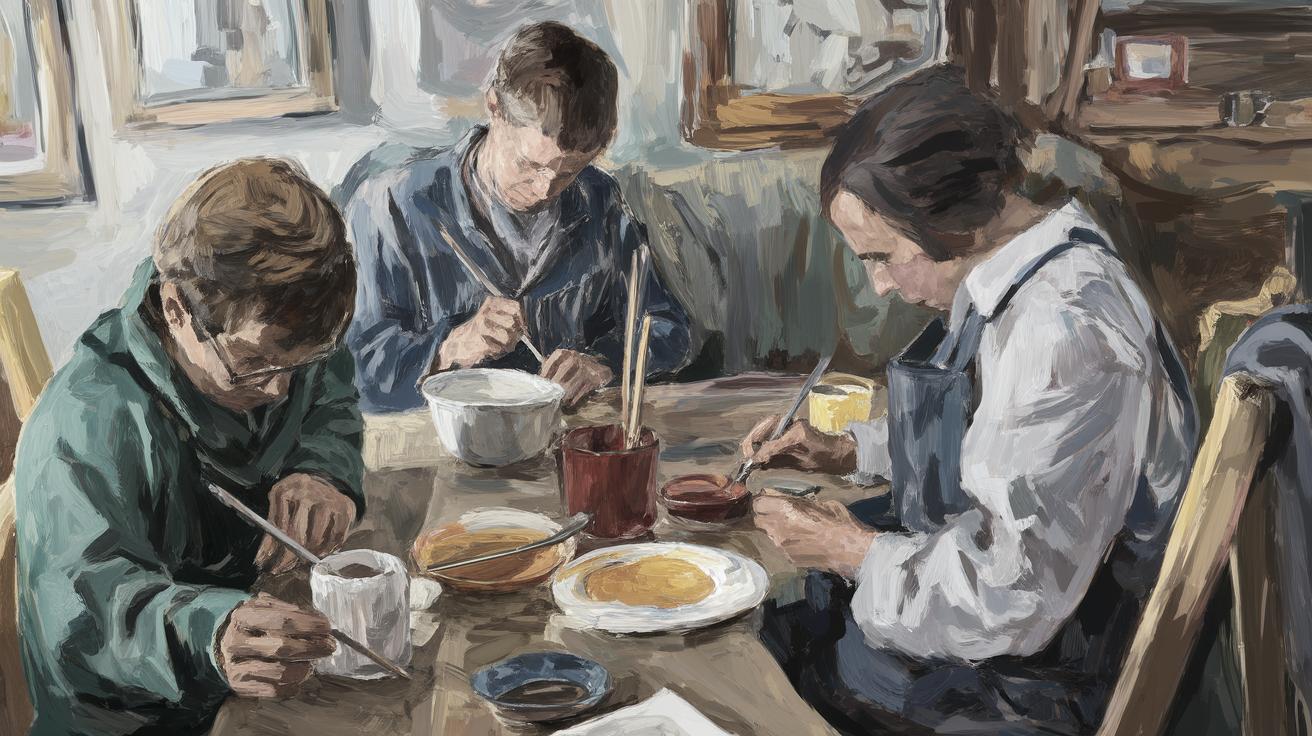
Understanding the Challenges of Working with Egg Tempera
Egg tempera painting is a technique that has enchanted artists throughout history with its luminous, long-lasting colors and delicate textures. However, this ancient medium demands a level of commitment and technical skill that can be daunting even for seasoned artists. This comprehensive guide delves into why egg tempera is considered challenging, exploring its historical roots, material requirements, and distinctive application techniques. By examining the experiences of both historical and contemporary artists, we will uncover the allure and difficulties of working with this demanding medium. Whether you’re an artist seeking to experiment with egg tempera or a curious reader interested in learning more about this unique painting method, this article provides valuable insights into the intricacies of egg tempera and its enduring place in the art world.
Kick Off Your Lunar New Year 2024 with Traditional Chinese Tunes
While celebrating the Lunar New Year, it’s fascinating to explore how traditional Chinese music represents the cultural richness and historic artistry similar to the enduring legacy of egg tempera. The intricate melodies and rhythms in traditional Chinese music often reflect the same level of detail and precision required in egg tempera painting. Both art forms demand dedication and an appreciation for tradition, illustrating the interconnected tapestry of artistic expression.
Artists capable of mastering egg tempera may find inspiration in the cultural dedication found in traditional Chinese musical practices. Similarly, the music encapsulates the patience and precision of mixing and applying pigment in egg tempera. This parallel provides a unique intersection point for artists passionate about exploring diverse, culturally-rich art forms while understanding the universal challenges artists encounter across various media.
What is Egg Tempera?
Egg tempera is a painting medium that comprises powdered pigments mixed with a water-soluble binder medium such as egg yolk. Known for its vibrant colors and precise detailing, egg tempera dries quickly into a durable, smooth finish. This medium has been treasured by artists for centuries, offering clarity and brilliance that endure over time.
The preparation and application process involved in egg tempera can be quite labor-intensive compared to more modern mediums. Artists must meticulously mix pigments with fresh egg yolk and apply numerous layers to achieve desired tones and textures. This demands patience and a steady hand, as any misstep could affect the final outcome.
A Word on Tempera’s History
Egg tempera has a rich and storied history, dating back to ancient civilizations such as the Egyptians and Greeks, who first began utilizing the medium for its enduring properties. In the Middle Ages, the medium was popular among icon painters and played a significant role in the Renaissance, famously employed by artists like Botticelli and Michelangelo.
During this era, tempera painting was the primary method of creating artworks before oil paints gained popularity in the 15th century. The labor-intensive nature and exacting process of egg tempera suited the precision required for religious iconography, where clarity and detail were paramount. Its historical significance adds to both its allure and intimidation factor for modern-day artists.
How Does Egg Tempera Compare to Oil?
One of the reasons egg tempera is challenging is its comparison to oil, a more forgiving and versatile medium. Oil paints take much longer to dry, allowing artists to work with and manipulate the paint over time, ideal for blending colors and creating depth.
In contrast, egg tempera dries rapidly, almost instantly upon application, which demands careful planning and precision from the artist. Once applied, there are limited opportunities to alter the work, making corrections or changes challenging. This swift drying time requires artists to master layering techniques, applying multiple thin coats to build depth and texture.
What Supplies Do We Need?
Preparing to work with egg tempera involves gathering a variety of specialized supplies. Artists will need fresh egg yolks, a selection of high-quality pigments, brushes of various sizes and shapes, and a rigid support surface such as gessoed board or paper. Unlike other mediums, each component plays a critical role in achieving the desired finish.
The accessibility of fresh eggs and pigments may seem straightforward, but sourcing the right quality materials requires deeper knowledge. Impurities in pigment or yolk can affect color vibrancy, while an inappropriate support surface may not hold the tempera well. Precise material selection is vital for artists hoping to unlock the full potential of egg tempera.
How To Make Egg Tempera
Creating egg tempera involves a specific and deliberate process. The Purist Way starts by carefully separating the egg yolk from the white and rolling it gently to remove the membrane. Artists then mix the yolk with water to create a smooth, consistent binding medium.
The Purist Way
This traditional method reflects the painstaking attention to detail required in the medieval period. Pigments are added slowly to the yolk mixture, resulting in a delicate balance of color and texture. This precise approach demands patience and accuracy, yet rewards artists with a luminous, long-lasting painting.
My Way
Contemporary artists might modify this process according to preference. Some blend the yolk with other elements, such as white vinegar, to extend drying times. While these adaptations may make the medium more flexible, they can complicate consistency and authenticity.
Which Pigment Brands Are Worth Buying?
Selecting the right pigments is vital to the success of an egg tempera painting. High-quality brands known for their vibrant, archival pigments include Sennelier, Winsor & Newton, and Maimeri. Each offers a range of finely ground colors perfect for tempera painting.
When purchasing pigments, it’s crucial to consider lightfastness, granulation, and overall quality. Artists may choose dry powders or pastes based on preference and comfort level with mixing. Regardless of brand, pigments should offer clean, consistent application and superior color retention.
Tempera Painting Techniques
There are various techniques involved in egg tempera painting that artists must master for effective use of the medium. The two most common techniques include glazing and direct color application.
Glazing
Glazing involves applying multiple translucent layers of paint to achieve depth and complexity. This approach demands patience, as each layer must dry fully before the next can be added. Artists rely on the luminosity of successive glazes to highlight intricate detail and vibrant color.
Direct Color
Direct color application is more immediate, where artists use short, crisp brush strokes to build up detailed imagery. This technique emphasizes the precision of the artist’s hand and techniques honed over time, demanding an intimate understanding of how tempera behaves on a specific surface.
What Surfaces Can We Use?
The surfaces suitable for egg tempera contribute to its complexity. Traditional canvases are not ideal due to flexibility; instead, artists opt for rigid supports like wooden panels, heavy paper, or board layered with a gesso ground that offers stability.
Gesso is an essential part of the preparation, as it prevents the egg tempera from soaking into the support, maintaining the paint’s luminosity. The surface must be smooth, absorbent, and firm to yield good results, echoing the structural discipline needed at every stage of egg tempera painting.
Famous Egg Tempera Artists
Throughout history, several artists have mastered egg tempera, leaving a lasting impact on the art world. During the Renaissance, figures like Sandro Botticelli and Fra Angelico elevated the medium with their ethereal depictions of religious iconography.
In more recent history, artists such as Andrew Wyeth have embraced tempera for its potential to capture meticulous detail and subdued hues. Wyeth’s exploration of the American landscape reflects a modern evolution of tempera’s traditional use while highlighting its adaptability across subjects.
Contemporary Egg Tempera Painters
Today, egg tempera remains a niche but inspiring practice embraced by modern artists seeking vintage charm paired with lasting quality. Contemporary artists like Fred Wessel experiment with the techniques of the past while bringing modern perspective.
Arturo Rivera
Arturo Rivera stands out for his emotive and detailed works, utilizing egg tempera to achieve surreal textures and depth. His ability to blend classic methods with contemporary themes illustrates tempera’s adaptability and timeless appeal.
My Use of Egg Tempera
As a modern-day artist captivated by the enduring capability of tempera, I explore its challenges through the creation of my artwork. Employing both The Purist Way and contemporary adaptations, I find that each painting carries an intimate reflection of history and personal expression.
Control Terminus
“Control Terminus” showcases my pursuit of harmony between precision and artistry. By adapting ancient techniques, I embrace tempera’s unpredictability in service of innovative, reflective work, capturing life and emotion beyond archaic bounds.
Demonstration Video
For additional insights, I documented my process in a demonstration video, highlighting stages from mixing pigments to applying final touches. This visual aide illustrates tempera’s nuanced demands and unique possibilities, encouraging fellow artists to embrace its vibrant challenge.
Summary of Main Points
| Aspect | Details |
|---|---|
| Introduction | Exploration of the challenges and allure of egg tempera, understanding its historical significance and modern relevance. |
| Egg Tempera Characteristics | Vibrant colors, quick drying time, requiring meticulous technique and planning. |
| Historical Context | Used by Egyptians, Greeks, iconic during Renaissance by artists like Botticelli. |
| Comparison with Oil | Egg tempera dries fast, offering less flexibility compared to the more forgiving oil paint. |
| Preparation | Requires careful selection of supplies and precision in mixing yolk and pigments. |
| Techniques | Involves glazing and direct color applications, both demanding skill and patience. |
| Contemporary Use | Modern artists bring new perspectives while respecting traditional methods. |

