
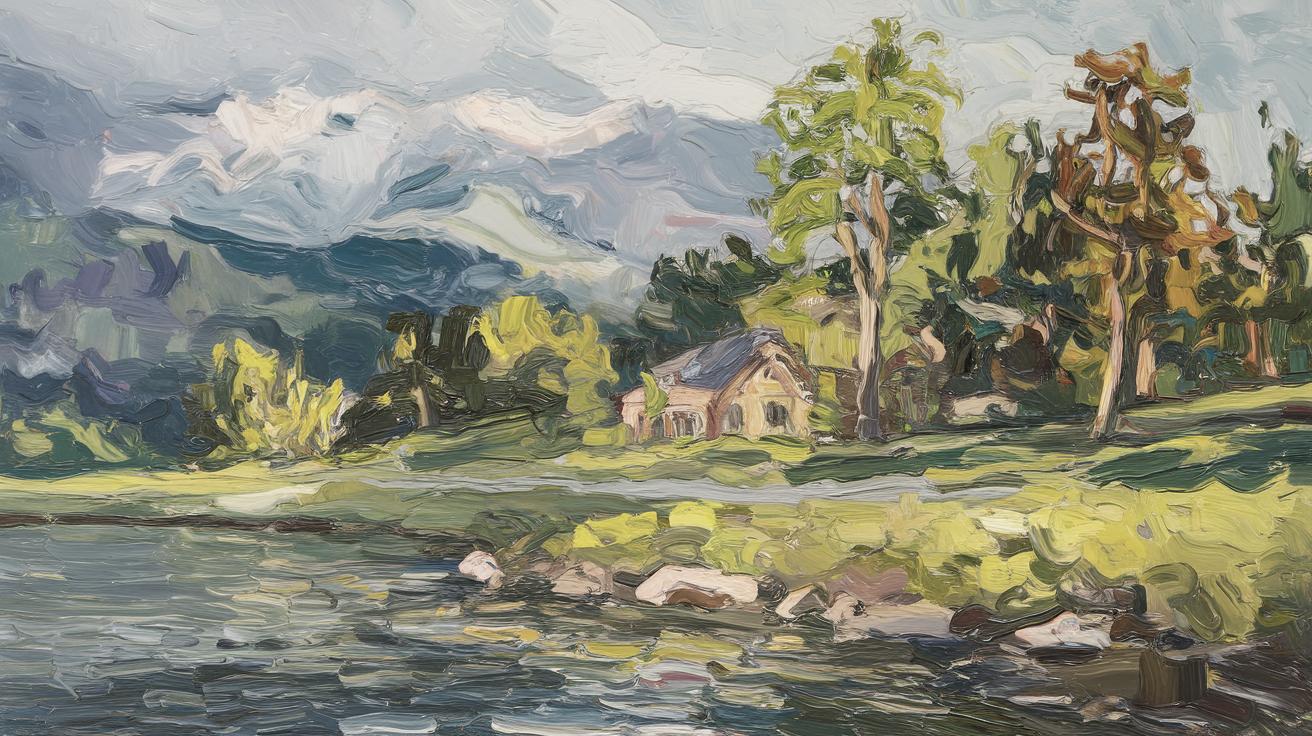
Master the art of oil painting protection with professional varnishing techniques that preserve your artwork for decades.
How to successfully varnish an oil painting
The art of varnishing an oil painting involves patience and precision. Before you begin, ensure that the painting is completely dry, which can take anywhere from six months to a year depending on the thickness of the paint layers. Clean the surface gently with a soft, lint-free cloth to remove any dust or grime that could be trapped under the varnish.
Apply the varnish in a dust-free environment with excellent ventilation. Use a clean, wide synthetic brush to apply an even coat of varnish, working from top to bottom in long, smooth strokes to prevent dripping. Allow the varnish to settle for 10-15 minutes and inspect for any inconsistencies or air bubbles.
Professional conservators recommend maintaining a consistent room temperature between 65-75°F (18-24°C) during application. If needed, gently smooth out any imperfections with a soft, dry brush using light, feathering motions for a flawless finish.
Which varnish should I use for oil painting?
Choosing the right varnish depends on both aesthetic preferences and practical conservation needs. Gloss varnish offers a shiny, reflective surface that enhances color saturation and creates maximum visual impact, making it ideal for vibrant landscapes and portraits.
Matte varnish provides a non-reflective finish that eliminates glare, making it preferable for gallery lighting conditions and detailed work. Satin varnish sits between gloss and matte, offering subtle sheen without full reflectivity – the most popular choice among contemporary artists.
Many professional artists opt for combination techniques, using different varnish types on specific areas to achieve varied effects. Consider experimenting with small test patches to determine which finish complements your artistic vision and intended display environment.
What is the difference between solvent-based and water-based varnishes?
Solvent-based varnishes, such as those containing natural resins like damar or synthetic alkyd resins, are traditional and provide exceptional durability with superior adhesion. However, they require mineral spirits or turpentine for cleanup and emit strong fumes, necessitating professional-grade ventilation during application.
Water-based acrylic varnishes are more environmentally friendly, emit minimal odors, and clean up easily with soap and water. They dry faster and offer excellent UV protection, making them ideal for artists with limited ventilation or those prioritizing eco-friendly materials.
Recent 2024 studies by the Getty Conservation Institute show that modern water-based varnishes now match the longevity of traditional solvent-based options. Both types offer removability for future conservation work, though solvent-based varieties typically provide easier removal after decades of aging.
What is spray varnish and when should I use it?
Spray varnishes are aerosol-based products that deliver an exceptionally even coating without visible brush strokes. This application method is especially valuable for heavily textured impasto paintings, where brush application might disturb raised paint surfaces or create unwanted texture marks.
Use spray varnish in a well-ventilated area or spray booth, applying thin, even layers from a consistent distance of 10-12 inches. Professional technique involves multiple light coats rather than single thick applications to minimize drip risk and ensure uniform coverage across the entire surface.
Spray application works exceptionally well for large-scale works, delicate surfaces, and when working with time constraints. However, it requires more product volume and careful masking of surrounding areas to prevent overspray contamination.
How many coats of varnish does a painting need?
The optimal number of coats depends on your desired protection level and aesthetic finish. Generally, two to three thin coats provide adequate protection and even coverage for most oil paintings. Allow each coat to dry completely – typically 24-48 hours – before applying subsequent layers.
For maximum protection in harsh environments or high-traffic areas, professional conservators recommend three coats minimum. Each additional layer contributes to surface depth and color richness while increasing overall durability and UV resistance.
Thick single coats should be avoided as they increase cracking risk and create uneven drying patterns. Multiple thin applications ensure better penetration, superior adhesion, and easier future removal if conservation work becomes necessary.
When can I varnish my painting?
Varnishing should occur only after the painting achieves complete dryness throughout all paint layers. While this patience-testing process ranges from six months to eighteen months, it prevents future issues like varnish clouding, poor adhesion, or paint layer cracking.
Perform the professional “touch test” by pressing a clean fingertip lightly to the thickest paint areas. If the surface feels completely solid and leaves no impression or tackiness, drying may be complete. However, waiting the full manufacturer-recommended time ensures optimal results.
Environmental factors significantly impact drying time. High humidity, low temperatures, and thick paint applications extend the waiting period. Professional studios often use dehumidifiers and consistent temperature control to optimize drying conditions.
How long does varnish take to dry?
Drying times vary significantly based on varnish formulation, environmental conditions, and application thickness. Solvent-based varnishes typically become touch-dry within 6-24 hours but may remain slightly tacky for several days in humid conditions.
Water-based varnishes usually dry faster, often becoming touch-dry within 2-4 hours under optimal conditions. However, complete curing – when the varnish reaches maximum hardness and chemical stability – requires 7-14 days regardless of surface dryness.
Temperature and humidity dramatically affect drying speed. Ideal conditions include 65-75°F (18-24°C) with 45-55% relative humidity. Professional conservators use environmental monitoring equipment to ensure optimal curing conditions for valuable artworks.
What kind of brush should I use for varnishing?
A wide, flat brush made from high-quality synthetic fibers provides optimal varnish application. Synthetic bristles resist solvent damage and maintain their shape better than natural hair brushes when used with various varnish formulations.
Professional varnishing brushes typically measure 2-4 inches wide with medium-soft bristles that hold adequate varnish while providing smooth, streak-free application. Dedicated varnish brushes should never be used for paint application to prevent contamination.
Ensure brushes are completely clean and dry before use. After varnishing, clean immediately with appropriate solvents (mineral spirits for solvent-based, soap and water for water-based) and store properly to extend brush lifespan and maintain application quality.
How to remove varnish from an oil painting
Professional Assessment:
Varnish removal requires extreme caution and often professional conservation expertise. Before attempting removal, document the painting’s condition with detailed photographs and consider consulting a qualified paintings conservator, especially for valuable or historically significant works.
Solvents:
Appropriate solvents include mineral spirits, turpentine, or specialized conservation solvents like Shellsol A or Stoddard solvent. The choice depends on the varnish type and age. Always test solvents on inconspicuous areas first to ensure paint layer compatibility.
Technique:
Apply solvent carefully using cotton swabs or soft, lint-free cloths, working in small 2-3 inch sections. Use gentle, circular motions with minimal pressure to dissolve varnish layers gradually. Never scrub or apply excessive pressure that could damage underlying paint layers.
Professional conservators use controlled lighting and magnification to monitor progress continuously. Work slowly and methodically, replacing cotton swabs frequently to prevent redepositing dissolved varnish onto cleaned areas.
How do you properly store or display varnished paintings?
Store varnished paintings in climate-controlled environments maintaining 45-55% relative humidity and temperatures between 65-70°F (18-21°C). Avoid basements, attics, or areas with temperature fluctuations that cause expansion and contraction stress.
For display, position artworks away from direct sunlight, heating vents, and high-traffic areas where physical damage might occur. UV-protective glazing provides additional protection when framing, filtering harmful ultraviolet radiation that causes fading and varnish degradation.
Professional storage involves acid-free materials, proper support systems, and regular condition monitoring. Paintings should be stored vertically when possible, with adequate air circulation to prevent mold growth and chemical off-gassing accumulation.
Can I paint over varnish?
Painting directly over varnish is strongly discouraged as it prevents proper paint adhesion and creates unstable paint layers prone to flaking and delamination. Varnish creates a non-porous barrier that new paint cannot bond with effectively.
If alterations are necessary, the varnish must be completely removed first using appropriate solvents and techniques. This process requires patience and skill to avoid damaging existing paint layers during varnish removal.
Once varnish removal is complete, allow the painting to stabilize for several weeks before applying new paint. After completing modifications, allow complete drying before applying fresh protective varnish layers following proper timing protocols.
What is glazing in painting? How is it different to varnishing?
Glazing refers to applying thin, translucent paint layers over dry base colors to modify appearance, create luminous effects, and build color depth. This artistic technique directly affects the painting’s visual character and is part of the creative process.
Varnishing serves as the final protective coating applied to completed artwork, providing physical protection, UV resistance, and surface uniformity. Unlike glazing, varnishing doesn’t alter the painting’s artistic content but preserves it for future generations.
Both techniques require careful application and proper timing, but serve entirely different purposes. Glazing enhances artistic expression while varnishing ensures artwork preservation. Professional artists often combine multiple glazing layers before final varnish application.
Common varnishing mistakes to avoid
Premature varnishing represents the most critical error, leading to cloudy, poorly-adhered varnish layers that may require professional removal. Always verify complete paint dryness through proper testing and timing protocols before varnish application.
Contaminated brushes and dusty environments create permanent surface defects that compromise the finished appearance. Maintain scrupulous cleanliness throughout the varnishing process, including brush preparation, workspace organization, and environmental control.
Applying varnish too thickly causes drips, uneven coverage, and extended drying times. Professional technique emphasizes multiple thin coats over single thick applications for superior results and easier future maintenance.
Varnish types comparison: choosing the right protection
Damar varnish offers traditional clarity and easy removability but yellows over time and becomes brittle with age. Modern synthetic alternatives like MSA varnish provide similar optical properties with improved aging characteristics and UV stability.
Acrylic polymer varnishes excel in UV protection and maintain clarity over decades but may be more challenging to remove during future conservation treatments. They work exceptionally well for contemporary works requiring long-term stability.
Wax-based finishes provide subtle protection with natural appearance but offer limited durability and require regular maintenance. They work best for decorative pieces in controlled environments rather than museum-quality preservation applications.
Professional conservation considerations
Reversibility remains paramount in professional conservation practice. Choose varnishes that can be safely removed without damaging original paint layers, ensuring future conservation treatments remain possible as techniques advance.
Document all varnishing procedures including product specifications, application dates, and environmental conditions. This conservation record proves invaluable for future restoration work and helps maintain the artwork’s provenance and value.
Consider the painting’s intended lifespan and display conditions when selecting varnish systems. Museum pieces require different protection levels than decorative works, influencing both product choice and application methodology.
Two important things to remember about varnishing oil paintings:
Firstly, patience remains essential throughout the entire process. Allow your painting to dry completely before varnishing, wait appropriate intervals between coats, and provide adequate curing time before handling. This patience ensures optimal adhesion, appearance, and longevity while minimizing future restoration needs.
Secondly, always work in a controlled, clean environment with proper ventilation and lighting. Dust, humidity, and temperature fluctuations can permanently compromise varnish quality and appearance. Professional-level attention to environmental details maintains the clarity and protective qualities of your varnish application.
Future prospects
| Aspect | Detail |
|---|---|
| Types of Varnishes | Solvent-based, Water-based, Spray, Damar, Synthetic, Acrylic |
| Application Techniques | Brush, Spray, Environment Control, Multiple Coats |
| Drying Time | 6-24 hours surface dry, 7-14 days complete cure |
| Storage and Display | Climate Control, UV Protection, Proper Support |
| Professional Standards | Reversibility, Documentation, Conservation Ethics |
| Value of Patience | Complete Drying, Optimal Results, Long-term Preservation |