
“`html
Exploring the Rich World of Vanitas Images
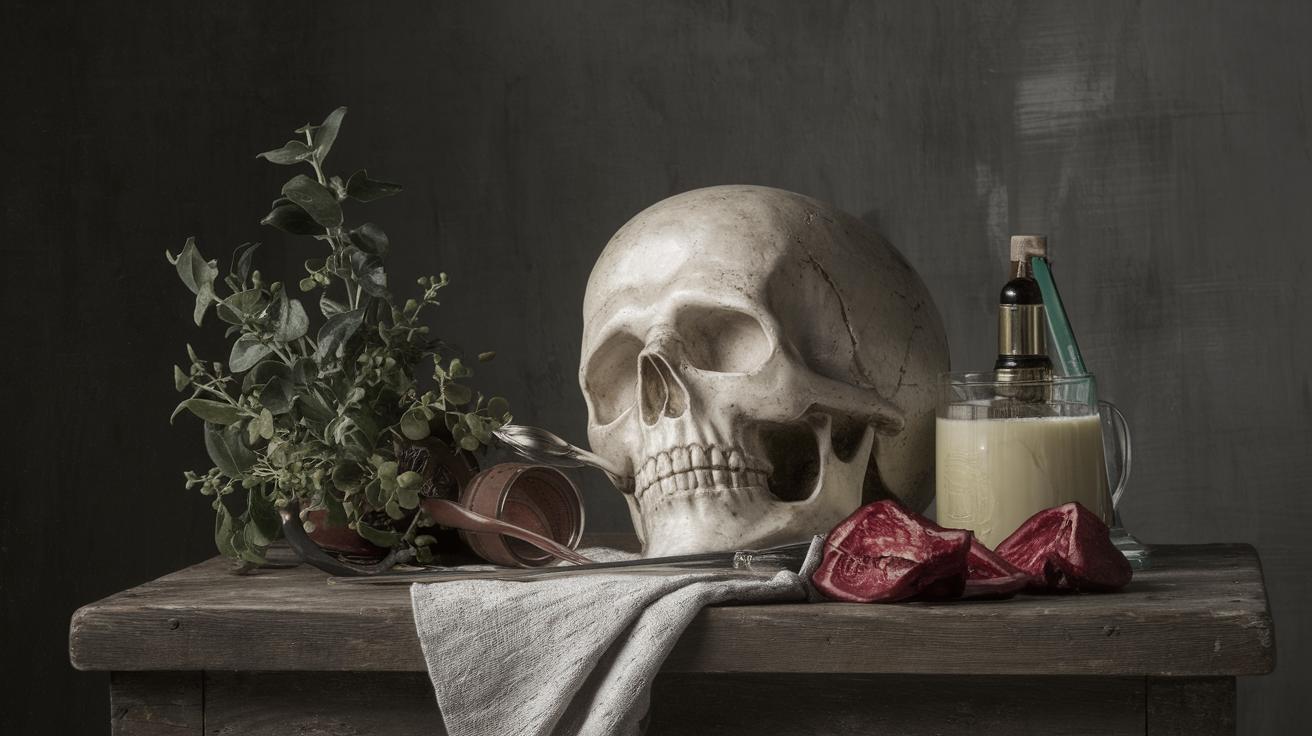
Vanitas art represents one of the most profound symbolic traditions in Western painting, offering timeless reflections on mortality and life’s fleeting nature.
Understanding Vanitas Art: Historical Context and Modern Relevance
Vanitas paintings emerged during the Dutch Golden Age as powerful memento mori artworks that reminded viewers of life’s transience. These symbolic compositions traditionally featured skulls, wilting flowers, extinguished candles, and hourglasses to represent the inevitability of death. Contemporary artists continue this tradition while incorporating modern elements like smartphones and digital devices to comment on today’s ephemeral pleasures.
The vanitas genre serves as both artistic expression and philosophical meditation. Art historians note that these works gained particular prominence during periods of social upheaval, when artists sought to address universal themes of mortality and meaning. Today’s vanitas interpretations often include environmental themes, reflecting contemporary concerns about planetary sustainability and digital age distractions.
My Vanitas Still Life
Vanitas still life represents a genre that originated in the European Baroque period, characterized by its symbolic depiction of mortality, the futility of pleasure, and the ephemeral nature of worldly goods and pursuits. Common elements include skulls, hourglasses, extinguished candles, and decaying fruit, each symbolizing different aspects of the life-death continuum. For an artist, creating a vanitas still life is an opportunity to engage audiences in contemplating life’s impermanence.
My interpretation of vanitas still life embraces the traditional symbolism while adding a personal touch. By integrating modern objects that represent today’s transient joys, such as smartphones or disposable plastics, the artwork bridges the historical context with contemporary commentary on consumerism. Through meticulous arrangement and detail, the vanitas imagery continues to evoke thoughts on the passage of time and the universal inevitability of change.
Digital Art Techniques and Traditional Methods
What Is Digital Painting?
Digital painting is an art form that merges traditional painting techniques with digital tools. Utilizing software and hardware like tablets and styluses, artists can create detailed brushstrokes and textures that mimic traditional media. This mode of painting offers convenience, flexibility, and access to an infinite palette of colors and tools, making it a revolutionary medium for contemporary artists.
The rise of digital painting has expanded the scope and accessibility of art creation. Artists can easily experiment with different styles, undo mistakes, and share their work globally instantaneously. In the context of vanitas, digital painting serves as a bridge between the classical symbolism of mortality and the limitless possibilities of modern creative expression, allowing artists to reinterpret age-old themes with fresh perspectives.
Essential Art Techniques for Vanitas Compositions
The Benefits of Value Studies: Mastering Notan
Notan is a Japanese concept of contrasting light and dark to achieve a harmonious design. In value studies, mastering notan involves breaking down a composition into simple light and dark shapes, which can clarify the structural relationships within a piece and contribute to a more balanced and compelling artwork.
Artists who engage in value studies enhance their ability to see and portray the underlying framework of their subjects. Not only does it strengthen compositional skills, but it also informs and improves an artist’s use of color, texture, and detail. For vanitas images, where symbolism and arrangement play crucial roles, mastering notan can elevate the emotional and visual impact of the artwork.
Professional Art Competition Strategies
How to Win Art Competitions
Success in art competitions often hinges on originality, technical skill, and the ability to evoke emotion. Understanding the theme and criteria of the competition is paramount, as is presenting a work that resonates with judges on both a technical and emotional level. For artists working within traditional genres like vanitas, incorporating unique perspectives or modern relevance can distinguish their work from others.
Attention to detail, thoughtful composition, and mastering the fundamentals of art can give competitors an edge. Additionally, presenting artwork with impeccable execution — from selecting the right materials to ensuring presentation quality — reflects professionalism. In the competitive arena, a well-crafted vanitas image that marries tradition with personal expression can capture the intensity and curiosity of any art competition audience.
Step-by-Step Painting Process and Techniques
My Still Life Painting “Roses and Copper” In 5 Steps
Creating “Roses and Copper” involved a meticulous process that combined careful planning with spontaneous artistry. The first step was conceptualization and sketching, where I explored different arrangements and symbols that would make the composition visually engaging and thematically coherent. Following this, I focused on the underpainting, establishing the base tones that would guide the rest of the painting.
The third and fourth steps involved layering rich hues and building texture, using both brushes and palette knives to create depth. This phase required patience and precision to achieve the desired effect of light and shadow interaction. Finally, the finishing touches involved detailing and emphasizing the primary symbols — the roses and copper elements — to highlight the painting’s timeless beauty and subliminal message.
Featured Artwork Analysis
Painting of the Week: “Contemplating”
This week’s featured painting, “Contemplating,” invites viewers into a serene, reflective world where past meets present. The artwork utilizes the vanitas symbolism while embracing modern elements to comment on the rhythm of life. The central motif of an abandoned clock juxtaposed with flourishing ivy suggests the persistence of nature amidst human endeavors.
The piece is characterized by its delicate brushwork and subtle color palette, which create an atmosphere of quiet introspection. Each element is thoughtfully placed to prompt the viewer to ponder their own relationship with time and existence. Through “Contemplating,” the artist succeeds in honoring the vanitas tradition while also providing a contemporary fresh narrative that resonates with today’s audiences.
Vanitas Symbolism and Iconography Guide
Traditional vanitas symbols carry specific meanings that have evolved over centuries. Skulls and bones represent mortality and the inevitability of death, while wilting flowers symbolize the brevity of youth and beauty. Timepieces, including hourglasses and pocket watches, emphasize the passage of time and life’s finite nature.
Contemporary vanitas artists often incorporate modern symbols of transience. Broken smartphones represent technological obsolescence, while melting ice cubes symbolize climate change and environmental fragility. These updated interpretations maintain the genre’s philosophical core while addressing current societal concerns and anxieties.
Creating Compelling Vanitas Compositions
Successful vanitas compositions require careful balance between symbolic elements and aesthetic appeal. Artists must consider visual hierarchy, ensuring that primary symbols draw the viewer’s attention while supporting elements enhance the overall narrative. Color temperature plays a crucial role, with warm tones often representing life and cool tones suggesting death or decay.
Lighting techniques significantly impact vanitas paintings’ emotional resonance. Chiaroscuro effects, with dramatic contrasts between light and shadow, heighten the sense of drama and contemplation. Many contemporary artists use artificial lighting or digital effects to achieve similar results while maintaining the genre’s contemplative atmosphere.
Final Thoughts
Vanitas art continues to evolve while maintaining its essential purpose: encouraging reflection on life’s meaning and mortality. Whether created through traditional oil painting techniques or modern digital methods, these powerful compositions remind us of our shared humanity and the preciousness of time.
| Topic | Summary |
|---|---|
| My Vanitas Still Life | Explores the creation of personal vanitas still lifes combining traditional symbols and modern elements. |
| What Is Digital Painting? | Discusses the integration of traditional painting techniques with digital tools, expanding artistic possibilities. |
| The Benefits of Value Studies: Mastering Notan | Highlights the value of contrasting light and dark shapes to enhance compositional skills. |
| How to Win Art Competitions | Outlines strategies for standing out in art competitions through originality, skill, and technical execution. |
| My Still Life Painting “Roses and Copper” In 5 Steps | Details a step-by-step process of creating a still life painting with emphasis on planning and execution. |
| Painting of the Week: “Contemplating” | Features an artwork that combines traditional vanitas imagery with contemporary narrative, promoting introspection. |
“`