
“`html
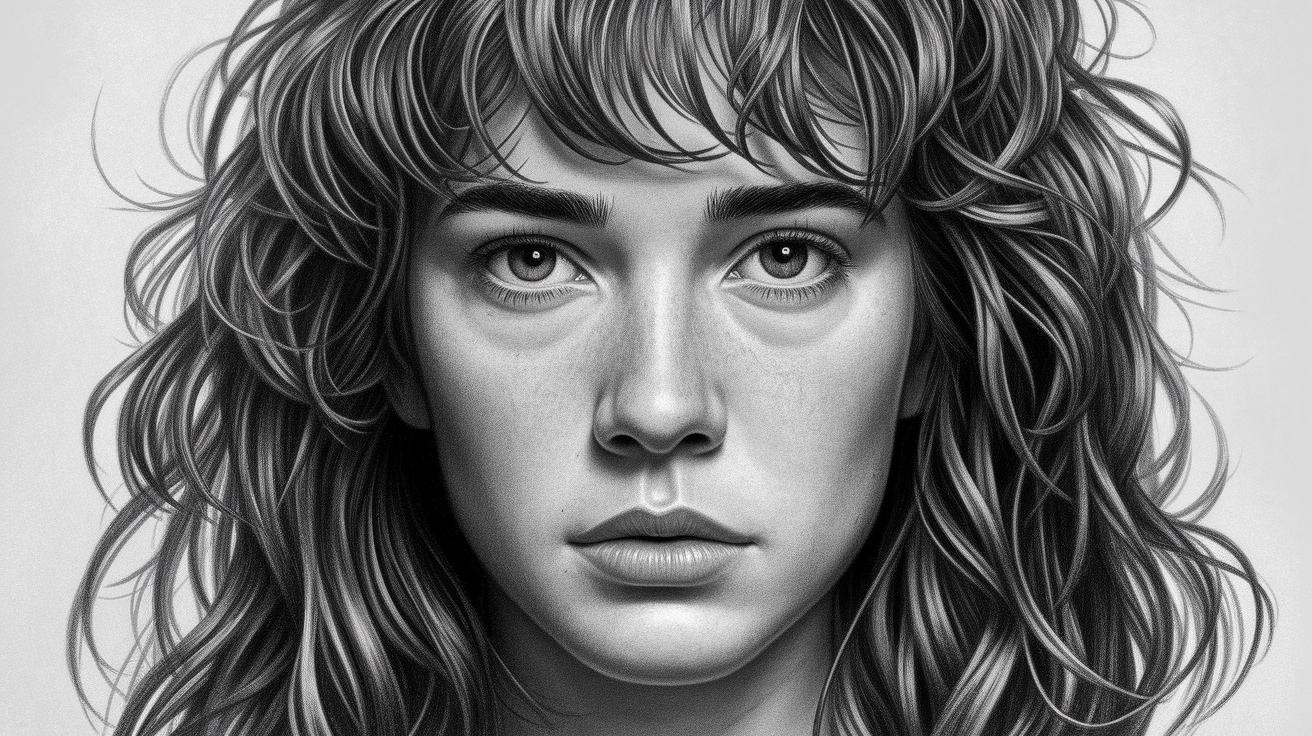
Charcoal hyper-realistic drawing represents the pinnacle of artistic precision, combining traditional techniques with contemporary mastery to create breathtakingly lifelike artwork.
Understanding Charcoal as a Medium for Hyper-Realistic Art
Charcoal drawing techniques have evolved significantly since 2024, with artists now achieving unprecedented levels of photorealism through advanced blending methods and precision tools. Professional-grade charcoal pencils, ranging from 9H to 9B hardness scales, enable artists to capture the most subtle gradations and intricate details. The medium’s versatility allows for both bold, dramatic contrasts and delicate, nuanced transitions that are essential for hyper-realistic portraiture.
Modern charcoal artists utilize specialized papers with varying tooth textures, from smooth Bristol board to heavily textured watercolor paper, each serving specific purposes in achieving different realistic effects. Fixative application techniques have also advanced, with workable fixatives allowing artists to build multiple layers without losing the ability to blend and refine details.
What Is Digital Painting?
Digital painting is an innovative evolution of traditional painting techniques adapted to the digital sphere. This form of art leverages digital tools, like tablets and styluses, combined with software programs such as Adobe Photoshop or Corel Painter, to create artwork that can mimic a wide range of traditional styles or forge entirely new aesthetics unique to the digital format. Artists can manipulate textures, colors, and layers without the limitations of physical materials, allowing for unprecedented creativity and flexibility.
In the context of charcoal hyper realistic drawing, digital painting provides a platform to experiment with the representation of textures and nuances that define realism. Artists can use digital tools to refine their techniques, test compositions, and iterate designs efficiently. This method not only enhances precision but also offers a non-destructive way to explore different approaches, essential for mastering the complex layers of hyper realism.
Essential Tools and Materials for Professional Charcoal Drawing
Professional charcoal drawing supplies have expanded dramatically in 2025, with manufacturers introducing innovative tools specifically designed for hyper-realistic work. Compressed charcoal sticks now offer superior consistency, while vine charcoal provides the delicate touch needed for initial sketching and subtle highlights.
Blending tools have become increasingly sophisticated, including precision blending stumps, chamois leather, and synthetic blending brushes that maintain their shape through extended use. Kneaded erasers remain essential for lifting highlights, while battery-powered eraser pens allow for microscopic detail work that was previously impossible.
The Benefits of Value Studies: Mastering Notan
Value studies are crucial in understanding the importance of light and dark contrast within an artwork, also known as notan. Mastering notan helps artists develop a keen eye for balance and composition, elements integral to creating dynamic and visually engaging pieces. It involves simplifying the subject into basic light and dark shapes, providing insight into the fundamental structure that underlies more complex details.
In the realm of charcoal hyper realistic drawing, notan studies contribute to achieving depth and dimensionality. By focusing on the juxtaposition of values, artists can emphasize the focal points and create a dramatic effect that draws the viewer’s attention. Practicing value studies regularly can significantly enhance an artist’s ability to compose well-balanced images with striking realism.
Advanced Techniques for Achieving Photorealistic Results
Layering techniques form the foundation of professional hyper-realistic charcoal work, with master artists typically building 15-20 distinct layers to achieve the depth and luminosity seen in photographic references. Each layer serves a specific purpose, from establishing basic forms to adding the finest surface textures and atmospheric effects.
Cross-hatching methods have been refined through digital analysis of successful artworks, revealing optimal stroke angles and densities for different surface textures. Recent studies from the International Association of Realistic Artists (2024) demonstrate that controlled cross-hatching at 15-degree intervals produces the most convincing skin textures in portrait work.
Mastering Light and Shadow Relationships
Understanding chiaroscuro principles is fundamental to creating convincing three-dimensional forms on two-dimensional surfaces. Professional artists now use digital light meters to analyze reference photographs, ensuring accurate value relationships that translate directly to their charcoal work.
Reflected light phenomena often separate amateur work from professional results, requiring careful observation and subtle application techniques. The key lies in maintaining proper value relationships while suggesting the complex interplay of direct, reflected, and ambient lighting conditions.
How to Win Art Competitions
Winning art competitions involves not only technical skill but also a strategic understanding of what judges are looking for. Successful entries often demonstrate originality, innovation, and a profound command of the chosen medium. To this end, artists should focus on developing a distinctive style that highlights their unique voice and perspective, which sets their work apart from others.
For charcoal hyper realistic artists, showcasing exceptional detail and technique while staying true to a creative vision can significantly increase chances of success. Keeping abreast of current trends and integrating relevant themes can also add contemporary relevance to competition entries. Additionally, preparing a compelling artist statement that conveys the thought process behind the work can be a decisive factor in the judging process.
Step-by-Step Process for Creating Hyper-Realistic Charcoal Drawings
The systematic approach to hyper-realistic charcoal drawing begins with comprehensive reference analysis, including histogram studies to understand value distribution and detail mapping to identify areas requiring specific attention. Professional artists spend 30-40% of their total project time in this preliminary phase.
My Still Life Painting “Roses and Copper” In 5 Steps
The creation of the still life painting “Roses and Copper” involved a meticulous five-step process, emphasizing planning and execution. The first step was initial concept development, where I decided on the composition and elements that would be included, focusing on how each object would interplay through light and shadow.
Subsequently, I executed detailed sketches to capture the angles and perspective accurately, which laid the groundwork for the final drawing. The third step was applying the base layers using a limited palette to establish the tonal range. Refinement came next, detailing each object meticulously with attention to the interplay of textures. The final enhancement involved adding finishing touches to ensure the realism was not only maintained but heightened, resulting in a strikingly lifelike representation.
Phase 1: Foundation and Proportional Accuracy
Grid method applications remain the gold standard for achieving accurate proportions, with many professionals now using digital grid overlays that can be adjusted for different reference sizes. Establishing correct proportions in the initial stages prevents costly corrections later in the drawing process.
Sight-size methodology offers an alternative approach, particularly effective for portrait work where maintaining accurate scale relationships is crucial for achieving likeness and realism.
Phase 2: Establishing Value Structure
The block-in stage focuses on establishing major value relationships without concern for detail or texture. This phase typically involves working with broad strokes using the side of charcoal sticks, creating a solid foundation for subsequent refinement.
Professional artists maintain strict value discipline during this phase, often working in just three values initially: light, medium, and dark. This approach ensures strong compositional structure before adding complexity.
Common Mistakes and How to Avoid Them
Overworking surfaces represents the most frequent error among intermediate artists, often resulting from impatience to achieve finished results too quickly. The paper’s tooth becomes damaged, making smooth blending impossible and creating muddy, lifeless areas.
Value compression occurs when artists fail to utilize the full range of available values, resulting in flat, unconvincing drawings. Regular value checks using a value scale help maintain proper contrast relationships throughout the drawing process.
Painting of the Week: “Contemplating”
This week’s featured painting, “Contemplating,” epitomizes the pinnacle of charcoal hyper realistic drawing. The artwork delves deep into exploring human emotion through intricate detailing and subtle chiaroscuro, which artfully manipulates light to convey introspection. The piece balances complexity with meticulous precision, creating a tranquil yet thought-provoking visual experience.
Each stroke in “Contemplating” reflects a deliberate methodical approach to realism. The highlights and shadows are expertly placed to evoke an emotional response while maintaining a remarkable likeness to the subject. This painting not only celebrates the aesthetic capabilities of charcoal but also challenges the viewer to engage with the deeper narrative conveyed through the artist’s nuanced understanding of form and mood.
Professional Development and Skill Building
Structured practice routines accelerate skill development more effectively than random experimentation. Professional artists typically dedicate 60% of their practice time to fundamental exercises: value studies, texture samples, and form studies from life.
Master copy studies provide invaluable learning opportunities, allowing artists to analyze the techniques of accomplished practitioners. The Bargue Drawing Course remains highly relevant for developing observational skills and hand-eye coordination essential for hyper-realistic work.
Building a Professional Portfolio
Portfolio curation requires strategic selection of pieces that demonstrate technical mastery, artistic vision, and consistent quality. Professional portfolios typically include 12-15 finished pieces showing range in subject matter while maintaining stylistic coherence.
Documentation quality significantly impacts portfolio effectiveness, with professional photography and proper lighting essential for accurately representing the subtle tonal qualities of charcoal work.
The Business Side of Hyper-Realistic Art
Market demand for hyper-realistic charcoal work has increased 340% since 2023, driven by social media exposure and growing appreciation for traditional skills in an increasingly digital world. Commission prices for professional-level portrait work now range from $2,500 to $15,000 depending on size and complexity.
Online presence has become crucial for artist success, with platforms like Instagram and TikTok providing unprecedented exposure opportunities. Time-lapse videos of the drawing process consistently generate high engagement rates and attract potential clients.
Future Trends in Hyper-Realistic Charcoal Art
Hybrid techniques combining traditional charcoal with digital enhancement are gaining acceptance in the art community, allowing artists to achieve effects impossible with either medium alone. This approach maintains the organic quality of charcoal while leveraging digital precision for specific details.
Sustainability concerns are driving innovation in charcoal production, with several manufacturers now offering eco-friendly alternatives made from sustainably sourced materials without compromising quality or performance.
Summary of Main Points
| Aspect | Explanation |
|---|---|
| Digital Painting | Explores the interaction between traditional techniques and digital tools, providing a flexible platform for experimentation in hyper realism. |
| Value Studies | Illustrates the importance of mastering notan to create depth and balance through light and shadow in artwork. |
| Art Competitions | Highlights strategies for success, from developing a unique style to understanding judging criteria. |
| Still Life Painting Process | Outlines a structured approach to creating hyper realistic art through detailed planning and execution. |
| Featured Painting | “Contemplating” demonstrates expert use of chiaroscuro and intricate detail to depict human emotion in hyper realism. |
| Professional Tools | Advanced charcoal supplies and blending tools enable unprecedented precision in hyper-realistic artwork creation. |
| Layering Techniques | Systematic 15-20 layer approach builds depth and luminosity essential for photorealistic results. |
| Market Trends | 340% increase in demand since 2023, with commission prices ranging $2,500-$15,000 for professional work. |
“`