
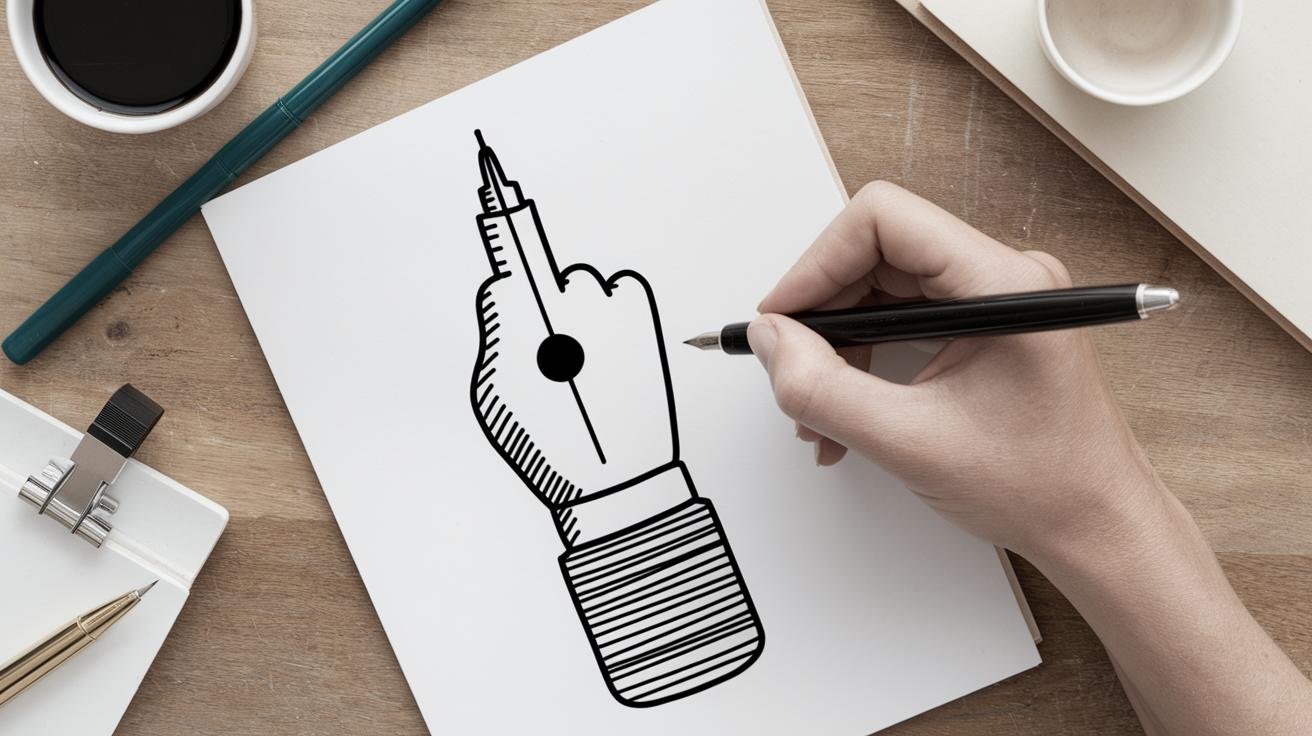
Ball pen art transforms the simplest writing tool into a powerful medium for creating stunning artwork with just basic techniques and creative vision.
Understanding Ball Pen Art: The Foundation of Minimalist Drawing
Ball pen art represents one of the most accessible forms of artistic expression available to creators worldwide. Unlike expensive art supplies, ballpoint pens offer consistent ink flow and precise line control that professional artists have embraced since the 1950s.
The monochromatic nature of ballpoint pen drawing forces artists to focus on fundamental elements like composition, value, and texture. This constraint actually enhances creativity by eliminating color distractions and emphasizing pure draftsmanship skills.
Essential Ball Pen Art Techniques for Beginners
Hatching and cross-hatching form the backbone of professional ball pen artwork. These techniques involve drawing parallel lines (hatching) or intersecting lines (cross-hatching) to create shadows, depth, and texture variations.
Advanced practitioners also employ stippling techniques, where thousands of tiny dots create gradual tonal transitions. This method requires patience but produces incredibly detailed and photorealistic results in skilled hands.
Exploring the World of Simple Ball Pen Art
In a world filled with digital art and complex mediums, the humble ball pen stands out as a simple yet surprisingly effective tool for artistic expression. This comprehensive guide delves into the art of creating with a ball pen, touching on various subjects related to the arts.
From understanding digital painting to mastering the fine art of Notan through value studies, and from winning art competitions to learning step-by-step still life techniques, we will explore how these concepts can relate to or contrast with ball pen art. By blending basic techniques with creative innovation, ball pen art continues to inspire and captivate artists and enthusiasts alike.
What Is Digital Painting?
Digital painting is a method of creating artwork using digital tools and software applications like Adobe Photoshop, Procreate, or Corel Painter. Unlike traditional painting mediums like oil or watercolor, digital painting is created with software programs that simulate a virtual canvas and a wide range of brushes and colors.
The allure of digital painting lies in its versatility and convenience for modern artists. The limitless color palette and intricate brush presets enable artists to achieve effects that are challenging with physical tools, including unlimited undo functions and layer-based editing capabilities.
Yet, juxtaposing this with ball pen art draws attention to the discipline and precision required when working with a single, often unforgiving, line in penmanship. This contrast highlights the meditative quality and focused concentration that traditional pen drawing demands.
The Benefits of Value Studies: Mastering Notan
Value studies are an essential practice for artists wishing to master the distribution of light and dark within their compositions. Notan, a concept originating from Japanese art, refers to the harmonious balance of light and dark elements that creates visual impact and emotional resonance.
By focusing on Notan principles, artists train themselves to see the underlying structure and balance, vital for creating impactful monochrome art such as ball pen drawings. This approach simplifies complex scenes into readable compositions that communicate effectively with viewers.
In ball pen art, the emphasis on value allows for striking contrasts that bring subjects to life through strategic ink density variations. By simplifying scenes into basic shapes and focusing on tonal ranges, artists can create depth and dimension with just a pen, aligning with the restrained, direct nature of ballpoint artistry.
How to Win Art Competitions
Winning art competitions involves more than just artistic talent; it requires strategic planning and market understanding of what judges seek in contemporary artwork. Artists must consider originality, technical skill, conceptual depth, and the emotive power of their piece to stand out among hundreds of submissions.
While digital art and painting might offer a wide range of effects and styles to dazzle judges, ball pen art requires compelling concepts and precise execution to capture attention. The medium’s limitations become strengths when artists demonstrate exceptional skill within constraints.
Ball pen artists can seize this opportunity to exhibit creativity within constraints, emphasizing technical mastery and conceptual innovation. By crafting unique pieces that play with perspective, narrative, and visual storytelling, they can capture both audience and panel imagination through distinctive artistic voice.
My Still Life Painting “Roses and Copper” In 5 Steps
Creating a still life painting involves careful staging and observational skills, essential whether using paints or a ball pen for artistic expression. My still life, “Roses and Copper,” came to life through five key steps: selecting a harmonious arrangement of objects, sketching the basic outline, layering tones to create depth, detailing textures, and finally, balancing highlights and shadows.
When applying a similar disciplined approach to ball pen art, each step requires heightened awareness of light and form. The linear pen strokes demand meticulous attention, particularly in elegant curves and contrasting textures, as seen in the softness of roses against the metallic sheen of copper surfaces.
This systematic process not only teaches patience and observational skills but also highlights the precision that only a simple tool like a ballpoint pen can offer. The methodical approach ensures consistent results and continuous skill development for aspiring artists.
Painting of the Week: “Contemplating”
Our painting of the week, “Contemplating,” beautifully illustrates the coexistence of complex emotions within a seemingly simple composition. The careful use of lines and shading in this artwork exemplifies the expressive potential found in ball pen art through masterful technique application.
By embracing the nuances of tone and linear expression, the piece captures introspection and tranquility that resonates with viewers on multiple emotional levels. This demonstrates how constraint-based mediums can achieve profound artistic communication.
“Contemplating” serves as a powerful reminder of the artistry achievable through minimal means and focused creative intention. With its intricate balance of light and shadow, the painting draws viewers into a moment of reflection, testifying to the emotional depth that can be conveyed through elemental materials and skilled execution.
Advanced Ball Pen Art Techniques and Professional Tips
Professional ball pen artists employ sophisticated techniques that elevate simple drawings to gallery-worthy artwork. These methods include controlled pressure variation, strategic paper texture selection, and advanced shading techniques that create photorealistic results.
The key to mastering ball pen art lies in understanding ink flow dynamics and how different pen brands affect line quality. Pilot, Bic, and Paper Mate each offer unique characteristics that experienced artists leverage for specific artistic effects.
Choosing the Right Materials for Ball Pen Art
Paper selection significantly impacts ball pen artwork quality and longevity. Smooth bristol board provides excellent ink adhesion and prevents bleeding, while textured papers create interesting line variations that add character to drawings.
Professional artists often prefer archival quality papers with neutral pH levels to ensure artwork preservation over decades. The paper weight should be at least 140gsm to prevent ink bleeding through to underlying surfaces.
Common Ball Pen Art Mistakes and How to Avoid Them
Beginning artists frequently apply excessive pressure, causing ink blobs and inconsistent line weights that detract from overall composition quality. Light, controlled strokes build up gradually to create smooth tonal transitions and professional-looking results.
Another common error involves rushing the process without proper planning. Preliminary sketches and value studies prevent costly mistakes and ensure successful final artwork that meets artistic intentions and technical standards.
Ball Pen Art in Contemporary Art Markets
The contemporary art market has witnessed growing appreciation for ballpoint pen artwork as collectors recognize the medium’s unique aesthetic qualities and technical demands. Notable artists like Juan Francisco Casas have achieved international recognition through hyperrealistic ballpoint pen portraits.
Art galleries increasingly feature ball pen exhibitions, acknowledging the medium’s legitimacy alongside traditional painting and drawing techniques. This trend reflects broader acceptance of unconventional artistic materials in professional art contexts.
Summary of Main Points
| Subheading | Key Points |
|---|---|
| What Is Digital Painting? | Explores digital tools and contrasts them with the physical experience of ball pen art, emphasizing the meditative qualities of traditional drawing. |
| The Benefits of Value Studies: Mastering Notan | Highlights the importance of light and dark balance, crucial for impactful ball pen art and compositional strength. |
| How to Win Art Competitions | Discusses strategic approaches to competing, emphasizing creativity and technical execution in pen art within competitive contexts. |
| My Still Life Painting “Roses and Copper” In 5 Steps | Outlines a structured approach to still life that can be applied to ball pen artistry with systematic methodology. |
| Painting of the Week: “Contemplating” | Showcases the emotional impact achievable through simple, expressive ball pen work and masterful technique application. |
| Advanced Ball Pen Art Techniques | Professional methods including pressure variation, material selection, and sophisticated shading techniques for gallery-quality results. |
| Contemporary Art Market Recognition | Growing appreciation for ballpoint pen artwork in galleries and among collectors, establishing medium legitimacy in professional art contexts. |