
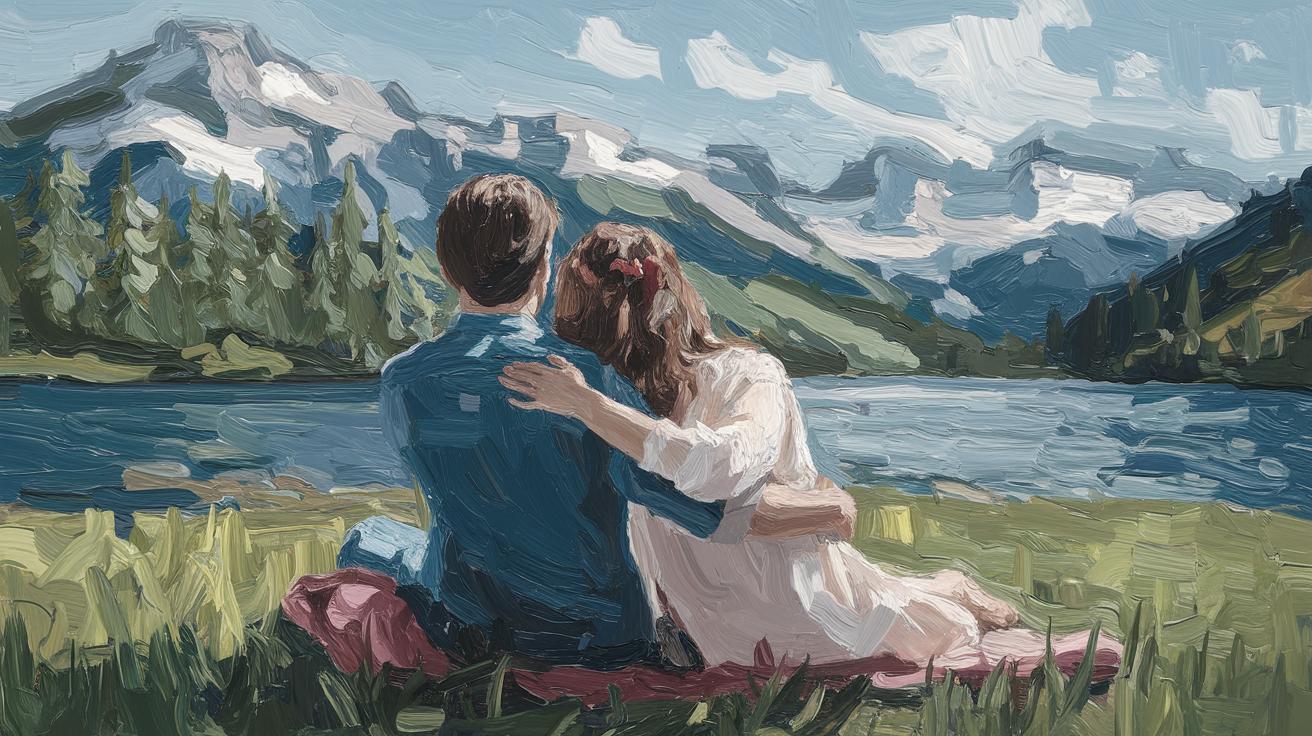
Real Life Painting of Loved Ones
Memorial portrait paintings offer a timeless way to honor and remember our loved ones. This blog post explores the importance of these paintings, the benefits they provide, and how they can preserve memories for generations to come. Delving into the artistic process and personal significance of these works, we will discover how real life portraits serve as enduring tributes to those who have left lasting imprints on our lives. Join us in exploring this meaningful and cherished tradition.
Memorial Portrait Paintings – Preserve Their Memory For Generations To Come
Memorial portrait paintings serve as powerful instruments for preserving the memory of loved ones who have passed. These portraits provide more than just a visual representation; they encapsulate the spirit, personality, and essence of the individual they depict. Through the careful work of artists, features are immortalized on canvas, allowing future generations to connect with their heritage and family history in a deeply personal way.
The significance of memorial portrait paintings lies in their ability to convey more than words can express. They capture a likeness that photographs might not always portray, embedding nuances of character and the unique glow of personality. Beyond physical appearance, these works of art become vessels of stories, emotions, and shared moments, bridging the past and present for those who cherish the memories of their loved ones.
The Artistic Process Behind Portrait Paintings
The creation of a memorial portrait is a meticulous process that involves collaboration between the artist and the person commissioning the work. This relationship often begins with discussions about the subject’s life, personality, and the emotions the family wishes to capture. Artists might rely on photographs, videos, and personal anecdotes to help ensure that the final piece resonates with ongoing narratives of memory.
Working with paints, brushes, canvases, and an array of technical skills, artists bring these stories to life with strokes of color and form. The level of skill and care employed by the artist is essential in ensuring the portrait not only resembles the subject physically but also embodies their essence. Through this labor of love, the completed painting becomes a treasured artifact, instilled with life and emotion.
The Personal Significance of Memorial Portraits
The intention behind commissioning a memorial portrait can vary greatly from family to family. For some, it serves as a way to keep the memory of their loved one present in their day-to-day lives. For others, it is a tribute to the impact their loved one had, representing a visual lineage that connects multiple generations within a family setting. Regardless of the motivation, these portraits often become focal points within homes, serving as sources of comfort and reflection.
Beyond the immediate family, memorial portraits can also provide a sense of continuity and legacy. Visitors and future generations are provided with a tangible connection to the past. These portraits can become part of family storytelling, as individuals recall memories or lessons from those who came before them, thereby continuing the cycle of memory and inheritance.
The Emotional and Therapeutic Benefits of Memorial Portraits
The process of commissioning and receiving a memorial portrait can be a therapeutic journey for those dealing with loss. Engaging in the creative process can serve as a form of cathartic expression, allowing families to process grief in a way that celebrates their loved one’s life. Many find solace in reviewing treasured memories and choosing moments to be visually captured, providing them with a sense of peace and closeness.
Furthermore, these works can be transformative for the artists themselves, who often find fulfillment in creating meaning through their craft. By partnering closely with families, artists contribute to a narrative that acknowledges sorrow while celebrating life, resulting in a shared experience that honors both the departed and the living.
Next Steps
If you are interested in preserving the legacy of your loved ones through a memorial portrait, consider the following steps to embark on this meaningful journey:
| Step | Description |
|---|---|
| 1. Reflection | Consider the memories and characteristics you wish to capture in the portrait. |
| 2. Research | Find a skilled artist experienced in creating portraits who resonates with your vision. |
| 3. Collaboration | Work closely with the artist, sharing photos, stories, and emotions related to your loved one. |
| 4. Creation | Engage in the creative process, providing feedback and openness to the artist’s interpretation. |
| 5. Preservation | Receive your portrait, utilizing it as a source of comfort and a centerpiece in your memorial traditions. |

