
Realism in American Art: Exploring the Depths of Life and Landscape
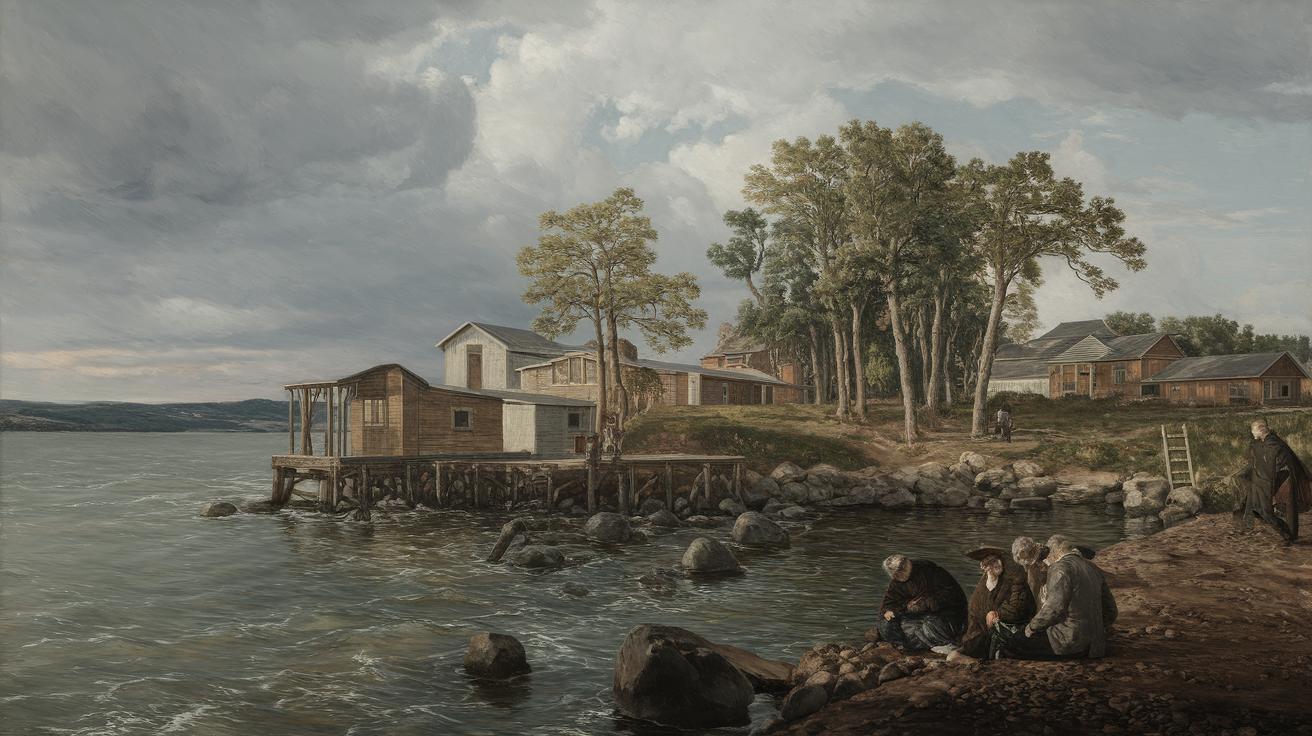
Realism in American art captures the vivid and intricate details of everyday life across different eras. This blog dives into the movements of realism that have significantly shaped American art. We begin with The Ashcan School, also known as The Eight, which brought the gritty realities of urban life to the canvas. Explore the masterful strokes of artists like George Bellows and Robert Henri. Then, journey into American Regionalism, where the rural landscapes and the heartland’s spirit come alive at the hands of Grant Wood and Thomas Hart Benton. Through this exploration, discover not only the artistic techniques but also the socio-cultural impacts these artists had on society. Finally, find resources to learn more and opportunities to acquire realist artworks.
The Ashcan School or The Eight
George Bellows
George Bellows, a prominent figure within The Ashcan School, is celebrated for his bold depictions of urban life. His dynamic compositions often capture the vigour and chaos of early 20th-century New York City. Bellows had the skill to portray the city’s raw energy, whether through the intensity of a boxing match or the stark realities of city construction sites.
Bellows’ painting style, filled with assertive brushstrokes and a rich palette, communicated the vibrancy and tumult of urban existence. Through his eyes, art lovers witness not just scenes of life but also slices of emotional and social narratives that capture the zeitgeist of his era.
Robert Henri
Robert Henri was a guiding force in The Ashcan School, mentoring artists and advocating for truthful representation in art. Henri’s philosophy centered on portraying everyday subjects with authenticity and empathy, capturing the emotional essence of his subjects regardless of their social status.
Henri’s works often illustrate a sensitive understanding of human character, emphasizing individuality and momentary expressions. His teachings inspired countless artists to depict the world around them more realistically, promoting an art movement defined by sincerity and presence rather than idealization.
Everett Shinn
Everett Shinn brought a theatrical flair to The Ashcan School. Trained as a scene painter for theatre, Shinn’s skills translated into his art, where he often depicted the vibrancy and drama of urban life. Shinn’s cityscapes brim with life, showcasing bustling streets and lively theatre performances.
His use of pastel and oil allowed him to create works filled with movement and energy. Indeed, Shinn’s paintings are a testament to his ability to capture the dynamic atmosphere of an America in transition, cultivating an appreciation for the bustling theatricality of everyday scenes.
George Benjamin Luks
George Benjamin Luks, known for his caricature-like precision, documented the quirky and sometimes stark personalities dwelling within bustling cities. His pieces exuded a bohemian vigor, illustrating characters and scenes with an unvarnished and sometimes satirical edge.
Luks’s empathetic yet unflinching portraits of everyday people gave voice to the marginalized and uncelebrated masses of his time. Through his art, viewers become immersed in a vibrant mosaic of society, filled with humanity’s rich tapestry of stories.
William Glackens
William Glackens focused on the colorful, vibrant aspects of life. Through his lighter palette and keen interest in the leisure activities of the middle and upper classes, he brought forward a distinct view within The Eight.
Glackens’ art, though lively, still reflected the cultural shifts of his time. His ability to capture social nuances through subtle tones and depictions underscores his talent as both an artist and cultural chronicler, merging observation with aesthetically pleasing compositions.
John Sloan
John Sloan’s work often concentrated on the intimate and candid perspectives of urban living. Through his sketches and paintings, Sloan presented a dialogue between individuals and their environments, highlighting the connections between people and places.
Sloan’s contribution to The Ashcan School involved an incisive picturing of ordinary people and mundane moments. His art reflects a profound understanding of social dynamics and the beauty of everyday existence, captured in the hustle and bustle of city life.
Edward Hopper
Though often associated with later movements, Edward Hopper’s early work remains tied to realist traditions. His pieces evoke feelings of isolation and introspection amid the backdrop of modernity’s encroachments.
Hopper’s mastery of light and shadow creates atmospheric scenes of both nostalgia and melancholy. His work sheds light on the personal narratives set against the broader American experience, standing as timeless meditations on solitude and alienation.
American Regionalism
Grant Wood
Best known for “American Gothic,” Grant Wood is synonymous with American Regionalism, a movement rooted in depicting rural American life during the 1930s. Wood’s portrayals often feature rural Midwestern landscapes, conjuring a sense of nostalgia and quintessential American identity.
Wood’s art, characterized by meticulous detail and clean lines, demonstrates a profound appreciation and critique of agrarian life. This exploration of regional aesthetics served to counter the urban focus predominant in earlier art movements, highlighting the diverse American experience.
Thomas Hart Benton
Thomas Hart Benton was a pivotal figure in advancing American Regionalism. Through his murals, Benton animated the ambitions, toils, and perseverances of American life, imbuing his subjects with motion and rhythm that mirrored the ebbs and flows of the nation’s economic and cultural life.
Benton’s works stand as vivid chronicles of rural landscapes and community spirit, captured through vibrant colors and dynamic shapes. His art reflects not just a visual, but almost aural experience—one that celebrates regional variances in the wider tapestry of America.
John Steuart Curry
Focusing intensively on the rural lifestyle and its inherent challenges, John Steuart Curry captured the raw and sometimes turbulent existence of rural America. His expansive scenes narrate stories of struggle and community amidst natural and manmade forces.
Curry’s work, filled with symbolic imagery and bold compositions, underscores the resilience and tenacity of Midwestern life, inviting viewers to engage with the profound connection between people and their land. His art elevates everyday struggles into epic narratives, immortalizing the regional spirit.
Relevant Sources to Learn More
Exploring further into the realms of Realism in American Art can provide deeper understanding and appreciation. Recommended resources include:
Discover and Buy Artworks for Sale
For those inspired to explore the world of realism in American art further or to invest in their own pieces, there are various avenues to discover artworks:
- Visit art galleries and museums that specialize in American realism for firsthand experiences.
-
Explore online art platforms like
Artsy
and
Saatchi Art
, which feature a broad array of styles and historical pieces available for purchase. - Participate in auctions or exclusive art events for potential acquisitions and networking with fellow art enthusiasts.
Future Prospects
| Category | Key Highlights |
|---|---|
| The Ashcan School or The Eight | Focused on urban realism and city life’s social dynamics with key artists like George Bellows and Robert Henri leading the movement. |
| American Regionalism | Emphasized rural American life and landscapes with Grant Wood and Thomas Hart Benton as notable figures capturing the regional spirit. |
| Relevant Resources | Highlighted essential sources and museums for further exploration and education in American realist art. |
| Art Acquisition | Offered insights into discovering and purchasing realist artworks through galleries, online platforms, and auctions. |

