
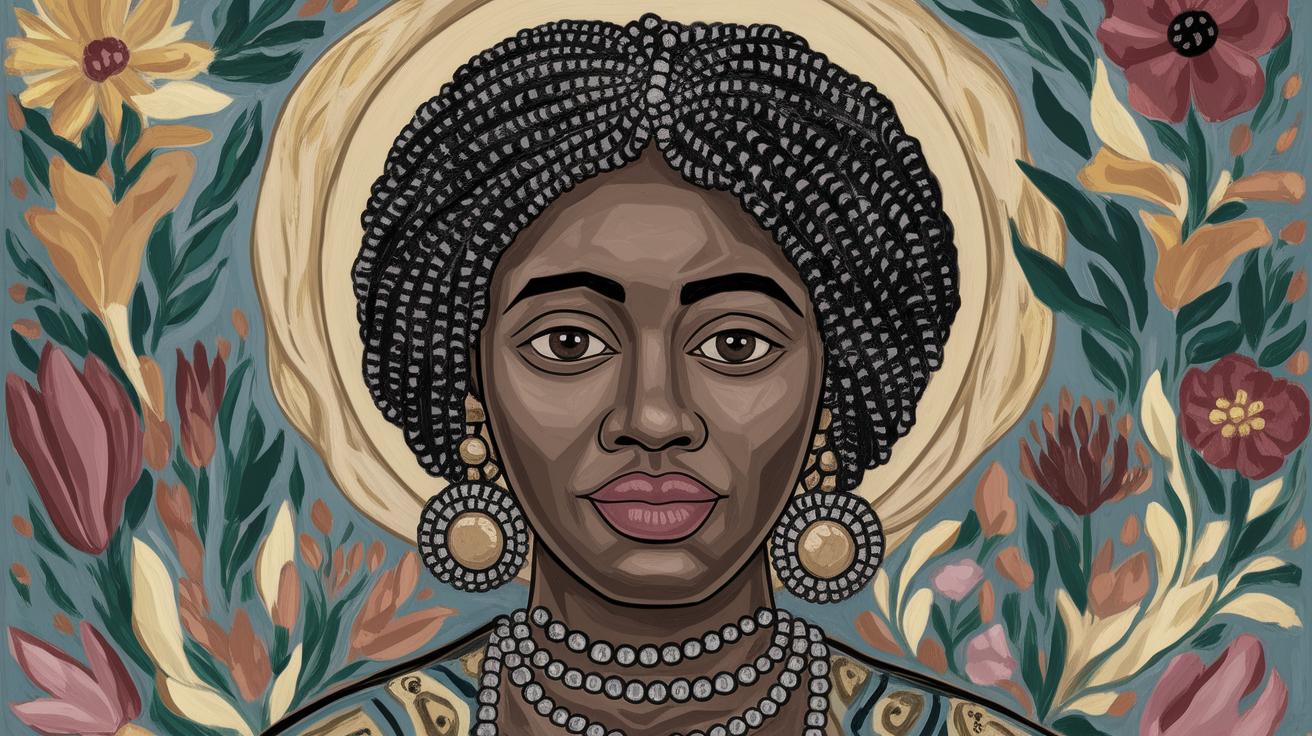
Black People in Art: A Celebration of Diversity and Expression
The representation of black people in art has been a vivid tapestry of resilience, identity, and innovation. This blog post delves into the various themes and narratives that have shaped black art through the ages. We explore the dynamics of representation, the cultural significance of black artists, and the evolving platforms they use to share their vision. By recognizing the substantial influence and contribution of black people in art, we can appreciate the richness they bring to the global cultural landscape. Join us as we navigate through the realms of themes prevalent in black art, share how this powerful medium continues to inspire change, and explore related influential works and artists.
Jump to:
Themes
Black art is characterized by a profound exploration of identity and heritage. Artists often infuse their works with personal narratives and collective histories, creating a tapestry that captures the essence of the African diaspora. Whether through painting, sculpture, or performance, artists reflect on their experiences with race, culture, and identity, forming a dialogue that is both intensely personal and universally relatable. This exploration not only honors their roots but also challenges viewers to confront historical and contemporary issues of race and social justice.
Additionally, themes of resilience and empowerment permeate black art. In a world where systemic oppression has been a constant struggle, art becomes a form of resistance and a tool for change. Artists use their works to depict strength and triumph over adversity, crafting visual stories that inspire hope and action. The artistry not only acknowledges past struggles but also envisions a future of equality and inclusion. Through vibrant colors and dynamic forms, black artists convey messages of perseverance and transformation.
Another prevailing theme is that of community and kinship. Black artists often portray the bonds formed within families and communities as a source of support and strength. These artworks serve as a testament to the connections that bind people together and the cultural traditions that sustain them. The celebratory depictions of festivals, music, and daily life animate a culturally rich and diverse narrative, offering viewers a lens into the multifaceted world of black communities across the globe.
Share this:
The impact of black people in art extends far beyond the canvas or the gallery. Social media platforms have become the new stage for artists to share their work, reach a broader audience, and drive societal change. By leveraging these tools, artists can advocate for representation, elevate marginalized voices, and foster discussions that challenge prejudices and stereotypes. The digital age has empowered black artists to shape narratives and influence cultural dialogues in unprecedented ways.
Moreover, art institutions and collaborations play a critical role in widening the reach of black art. Exhibitions, residencies, and partnerships with diverse organizations enable artists to collaborate and exchange ideas. Such platforms provide opportunities to showcase work while also educating audiences about the historical significance and contemporary relevance of black art. The engagement of broader communities through these collaborations promotes inclusivity and cultivates an environment where diverse stories can flourish.
Art as activism is another powerful way black artists share their work. Through movements such as the Black Lives Matter movement, art has been used as a rallying cry for justice and equality. Murals, protests, and other public art forms transform spaces into visual statements of solidarity and defiance. By capturing moments of protest and hope, these artistic expressions become part of the cultural consciousness, urging society to reflect and act upon crucial issues impacting black communities.
Related
Black art is intricately linked with a rich legacy of influential artists whose work continues to inspire and provoke thought. Artists such as Jean-Michel Basquiat, Kara Walker, and Kehinde Wiley have carved out revered spaces within the art world, breaking down barriers and redefining what it means to be a black artist. Their innovative approaches to depicting black identity have left indelible marks on modern art, paving the way for new generations to explore and express their creativity.
In literature, authors like James Baldwin and Toni Morrison have paralleled visual artists by using their narratives to give voice to the black experience. Their works delve deeply into themes of identity, inequality, and resistance, offering profound insights into the struggles and triumphs that define the black community. Just as visual artists paint on canvas, these authors paint with words to capture the complexities and beauty of black life.
Finally, emerging artists continue to redefine the boundaries of black art. With technology bridging geographical gaps, artists from across the diaspora can collaborate and share their work with a global audience. These creators bring fresh perspectives to traditional mediums and pioneer new forms of artistic expression. As they gain recognition, they build upon the legacy of those before them, ensuring that black art remains a cornerstone of cultural and creative discourse.
Final Thoughts
| Subheading | Key Points |
|---|---|
| Themes | Exploration of identity and heritage, resilience and empowerment, community and kinship |
| Share this: | Impact through social media, collaborations with institutions, art as activism |
| Related | Influence of past artists, literary parallels, emerging artists and new media |

