
Famous Trompe L’oeil Paintings
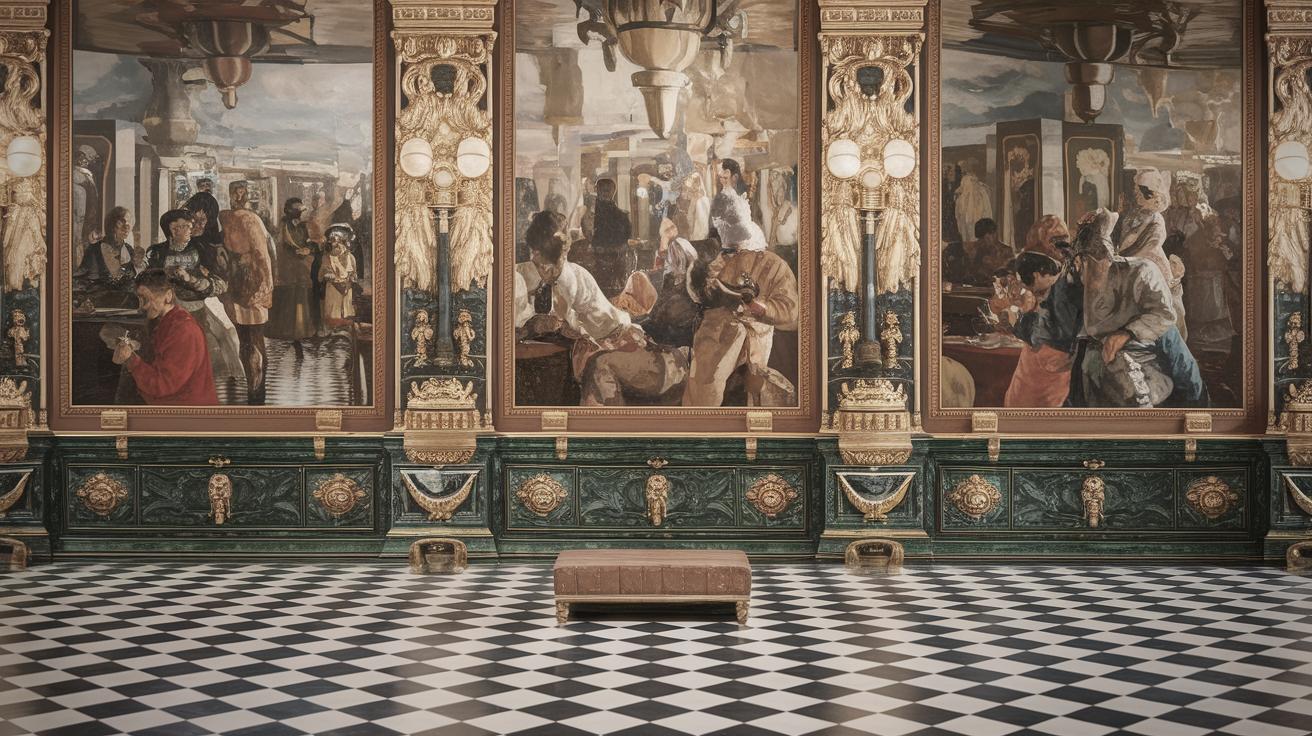
The art of trompe l’oeil, or “deceive the eye,” has captivated audiences for centuries with its ability to transform the ordinary into the extraordinary. This painting technique creates optical illusions that make depicted objects appear three-dimensional. In this blog post, we delve into the world of trompe l’oeil through the works of notable artists who have mastered this skill. From Duane Hanson’s hyper-realistic sculptures to Banksy’s poignant street art, these artists challenge our perceptions and invite us to question reality. Join us as we explore the fascinating works of ten renowned trompe l’oeil artists and their contributions to the art world.
Duane Hanson
Duane Hanson, an American sculptor, is celebrated for his lifelike depictions of ordinary people through trompe l’oeil techniques. His works blur the line between reality and art, with sculptures so realistic that viewers often mistake them for real individuals. Hanson’s figures capture mundane, everyday activities, thereby raising questions about the human condition and the nature of reality.
Hanson’s intent was not merely to deceive but to evoke empathy and provoke contemplation about social issues. His works such as “Supermarket Lady” and “Tourists II” are classic examples, compelling observers to reflect on consumer culture and societal norms. By employing such hyperrealism, Hanson not only engages the senses but also challenges the observer’s perceptions and preconceived notions about art and life.
Steve Wolfe
Steve Wolfe, an artist known for his meticulous trompe l’oeil pieces, masterfully creates works that blend the boundaries between painting and sculpture. Wolfe’s art is often inspired by books and records, drawing attention to the physicality of these objects while questioning how they influence our memory and identity.
Wolfe’s works, such as “Untitled (Paperback)” and “Record Collection,” are stunning examples of trompe l’oeil illusions. His ability to mimic the wear and tear of aged books and albums invites viewers to reflect on the passage of time and the transient nature of material possessions. In a digital age, his art serves as a poignant reminder of the tactile experiences that define an era.
James White
James White is a master of trompe l’oeil, known for his ability to capture intricate details that fool the eye. His paintings often depict reflective surfaces and environments, playing with light and shadow to create stunningly realistic scenes. White’s work invites the viewer to look closer, engaging them in a dance of perception.
His piece “TV Dinner” exemplifies his skill in deceiving the eye, with its detailed rendering of chrome and reflective surfaces. White challenges our perception of materials and reality, encouraging us to reconsider the boundaries between object and representation. Through such detailed creations, White not only impresses but engages viewers in a narrative of visual storytelling.
Liu Bolin
Liu Bolin, often referred to as “The Invisible Man,” utilizes trompe l’oeil in his unique body art and photography, blending himself into various backgrounds. His work draws attention to themes of invisibility, both personal and political, questioning identity in the face of overwhelming societal forces.
Bolin’s intricate process involves meticulous painting of his body to match the surroundings, effectively erasing his presence from the scene. This technique is not merely a visual trick but a commentary on the state of modern society and the individual’s place within it. His art compels viewers to question what is seen and unseen, known and unknown.
Gavin Turk
British artist Gavin Turk is renowned for his trompe l’oeil sculptures that explore issues of authorship and authenticity in art. Turk often recreates everyday objects, infusing them with deeper meanings about identity and culture.
Works like “Bag” and “Veil” showcase his talent for turning mundane items into thought-provoking pieces. Turk’s art challenges the notion of what constitutes art, prompting observers to contemplate the significance of the objects that populate our world. Through trompe l’oeil, Turk masterfully blurs the lines between reality and perception, self and society.
Banksy
The elusive street artist Banksy has harnessed trompe l’oeil to create provocative pieces that captivate and provoke. His use of stencils and unexpected visual twists allow his work to seamlessly integrate into a range of environments, encouraging viewers to engage with their surroundings.
Through pieces like “The Well-Hung Lover” and “Flower Thrower,” Banksy has become a master of commentary on social issues, using trompe l’oeil to shed light on the absurdities of modern life. His art is not only a challenge to authority but also an invitation to see the world from a new perspective through humor and satire.
Neil Gall
Neil Gall’s work demonstrates a dedicated exploration of the materiality and perception through trompe l’oeil. Known for his vibrant compositions that play with realism and abstraction, Gall’s art often involves manipulated everyday materials and objects.
Gall’s pieces, such as “Polyhedra” and “Model,” reveal his fascination with the boundary between the tangible and the illusory. His works engage audiences in an exploration of optical perceptions and the limits of representational painting, challenging them to reconsider the nature of perception itself.
Tony Matelli
Tony Matelli’s trompe l’oeil sculptures revolve around everyday scenarios rendered with unbelievable precision and detail. His works elicit surprise and curiosity, inviting viewers into famliar scenes that are elevated by their hyper-realistic execution.
With pieces like “Sleepwalker” and “Lost and Found,” Matelli combines humor and realism to disrupt our sense of reality and normalcy. His art is a direct interaction with the viewer, not just visually but emotionally, provoking reactions that range from amusement to introspection.
Susan Collis
Susan Collis uses trompe l’oeil to transform everyday objects into pieces of extraordinary detail and complexity. Her art often focuses on the unnoticed or overlooked, turning mundane objects into treasures through the use of precious materials.
In works such as “Since I Fell For You” and “Better Days,” Collis disguises valuable materials as commonplace items, challenging perceptions of value and art. Her pieces require a second glance, drawing viewers into a narrative of discovery and appreciation for craftsmanship and subtlety.
Lieven Hendriks
Lieven Hendriks’s practice involves a meticulous approach to trompe l’oeil, often addressing themes of perception and artifice. His works are known for their stunning realism, capturing moments of tangible reality that deceive and intrigue.
In his creations, Hendriks invites viewers to experience the intersection of light and material, pushing the boundaries of what is real. His paintings, such as “Untitled” series, are perfect examples of his skill in using illusion to captivate and challenge the viewer’s understanding of visual reality.
Relevant sources to learn more
To delve deeper into the world of trompe l’oeil, several resources can provide further insight into the techniques and histories of these remarkable artists. Consider exploring:
-
The Museum of Modern Art
– Known for housing numerous contemporary works, MoMA offers insights into both historical and modern art practices. -
Tate
– Explore its vast collection and educational materials to better appreciate British art and beyond. -
Artsy
– A platform for discovering and learning about artists, including a database of artworks and scholarly articles.
Discover & Buy Sculptures for Sale
For those inspired to own a piece of trompe l’oeil art or explore sculptures for purchase, numerous galleries and online platforms offer access to artworks and facilitate acquisitions. Websites like
Artsy
and
Saatchi Art
provide options to explore and purchase pieces from both established and emerging artists.
Engaging with such platforms not only supports the artistic community but also enriches personal spaces with unique, thought-provoking art that continues the dialogue between reality and illusion.
Final thoughts
| Artist | Notable Works | Key Themes |
|---|---|---|
| Duane Hanson | Supermarket Lady, Tourists II | Hyperrealism, social commentary |
| Steve Wolfe | Untitled (Paperback), Record Collection | Materiality, memory, identity |
| James White | TV Dinner | Reflective surfaces, light, perception |
| Liu Bolin | Body Painting Series | Invisibility, identity |
| Gavin Turk | Bag, Veil | Authenticity, cultural critique |
| Banksy | The Well-Hung Lover, Flower Thrower | Social commentary, satire |
| Neil Gall | Polyhedra, Model | Material perception, abstraction |
| Tony Matelli | Sleepwalker, Lost and Found | Humor, hyper-realism |
| Susan Collis | Since I Fell For You, Better Days | Value, craftsmanship, perception |
| Lieven Hendriks | Untitled series | Perception, realism |