
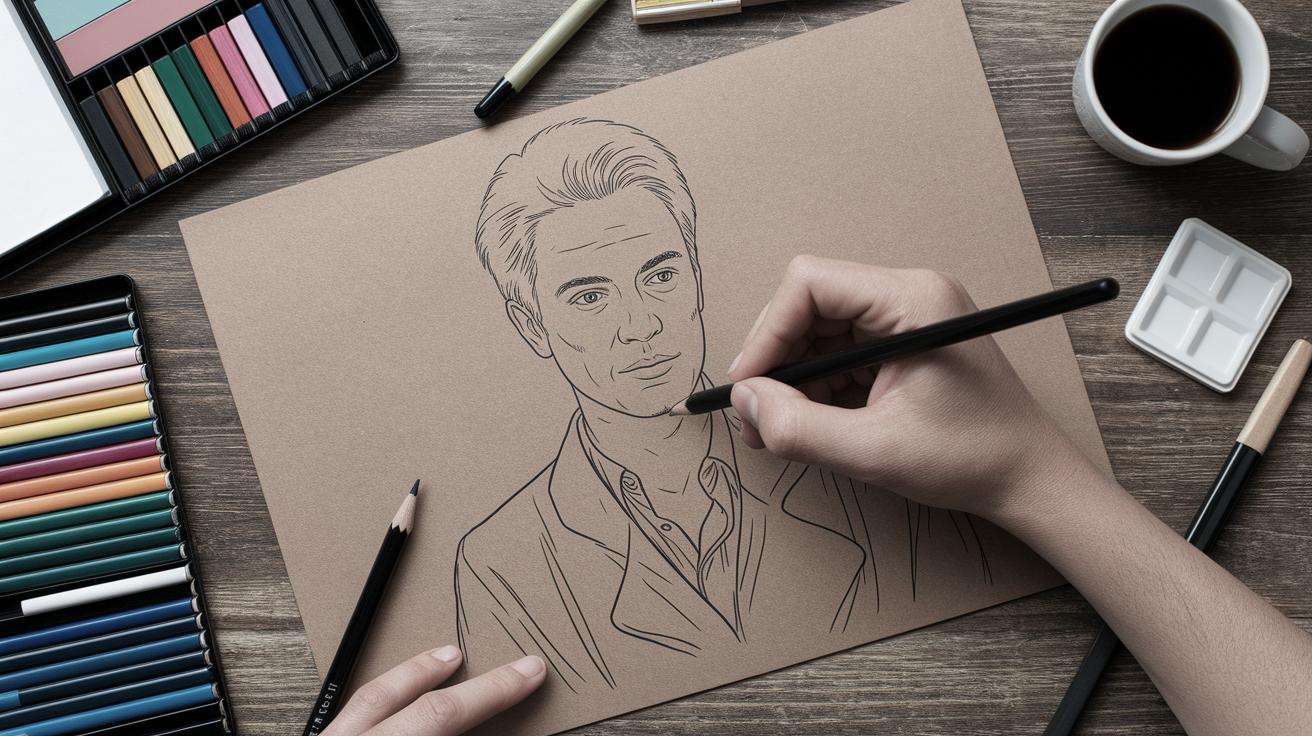
Unlocking Creativity: A Guide to Drawing on Toned Paper
Drawing on toned paper is a technique used by artists to enhance the quality and depth of their work. This blog explores various aspects of creating art on toned surfaces, providing tips to improve your drawings and understanding the art form’s nuances. The discussion will cover digital painting, the importance of mastering Notan for value studies, strategies for winning art competitions, detailed steps for painting still life, and an insightful look into a featured painting of the week. Whether you’re an aspiring artist or a seasoned creator, this guide serves to broaden your perspectives, expand your skills, and inspire you to incorporate toned paper into your artistic endeavors.
5 Tips for Drawing on Toned Paper
What Is Digital Painting?
Digital painting, an innovative twist on traditional art, involves creating artwork on digital platforms using a computer or tablet. The medium allows artists to experiment with various textures, layers, and effects without the physical limitations of traditional painting tools. It simulates a traditional painting environment but with enhanced flexibility and options.
The process requires understanding of both digital tools and traditional art concepts. As artists transition from traditional to digital, they benefit from understanding color theory, composition, and the fundamental principles that guide successful artwork. Digital painting opens endless possibilities for integrating traditional art concepts with modern technology.
The Benefits of Value Studies: Mastering Notan
Value studies are integral to an artist’s development, focusing on understanding light and dark contrasts in a composition. They help artists comprehend how values contribute to the overall balance and feel of a piece. A common practice within these studies is mastering Notan, a Japanese concept that involves simplifying a composition into its core black, white, and sometimes grey elements.
Through Notan, artists learn to create balanced and harmonious artwork by acknowledging the importance of light and shadow. It’s a useful exercise in achieving dynamic compositions where each section of the piece contributes to a cohesive whole. By practicing Notan, artists refine their ability to see and translate value changes in their work.
How to Win Art Competitions
Winning art competitions requires more than just skill; it necessitates strategic planning and an understanding of judging criteria. Artists should start by carefully reading the rules and criteria of the competition. Tailoring their artwork to meet specific guidelines while retaining originality can enhance their chances of success.
Another critical factor is presentation. High-quality photographs or scans of the artwork ensure that judges view the work at its best. Beyond technique and originality, conveying emotion and a unique perspective can distinguish artwork in the eyes of judges, capturing attention and leaving a lasting impression.
My Still Life Painting “Roses and Copper” In 5 Steps
Creating the still life painting “Roses and Copper” began with selecting vibrant roses and combining them with metallic copper objects, creating a visually appealing juxtaposition. The initial step involved sketching the composition on toned paper, which allowed for easy correction and adjustment until achieving the desired layout.
Subsequent steps included blocking in the primary values, intensifying colors and textures, and finally refining details to capture the essence of each object. The use of toned paper was pivotal in adding depth and a sense of cohesion that elevated the overall aesthetic of the painting.
Painting of the Week: “Contemplating”
This week’s featured painting, “Contemplating,” showcases the artist’s adeptness at using both traditional and digital techniques harmoniously. The piece embodies serene introspection, portrayed through calm colors and a balanced composition that invites viewers into the subject’s reflective state.
Utilizing toned paper as a base, the painting demonstrates a delicate interplay between light and shadow, augmented by digital enhancements that add a layer of sophistication. It serves as a prime example of how toned paper can contribute to the depth and richness of an artwork, making it a valuable medium for artists aiming to evoke emotion and narrative depth.
Next Steps
| Topic | Summary |
|---|---|
| What Is Digital Painting? | Explores the transition from traditional to digital art, leveraging technology to enhance creativity. |
| The Benefits of Value Studies: Mastering Notan | Discusses the significance of value studies and the harmony Notan brings to compositions. |
| How to Win Art Competitions | Emphasizes strategy, originality, and presentation in winning art contests. |
| My Still Life Painting “Roses and Copper” | Details a step-by-step process of creating a tonal composition on toned paper. |
| Painting of the Week: “Contemplating” | Features a painting that beautifully combines traditional and digital techniques on toned paper. |