
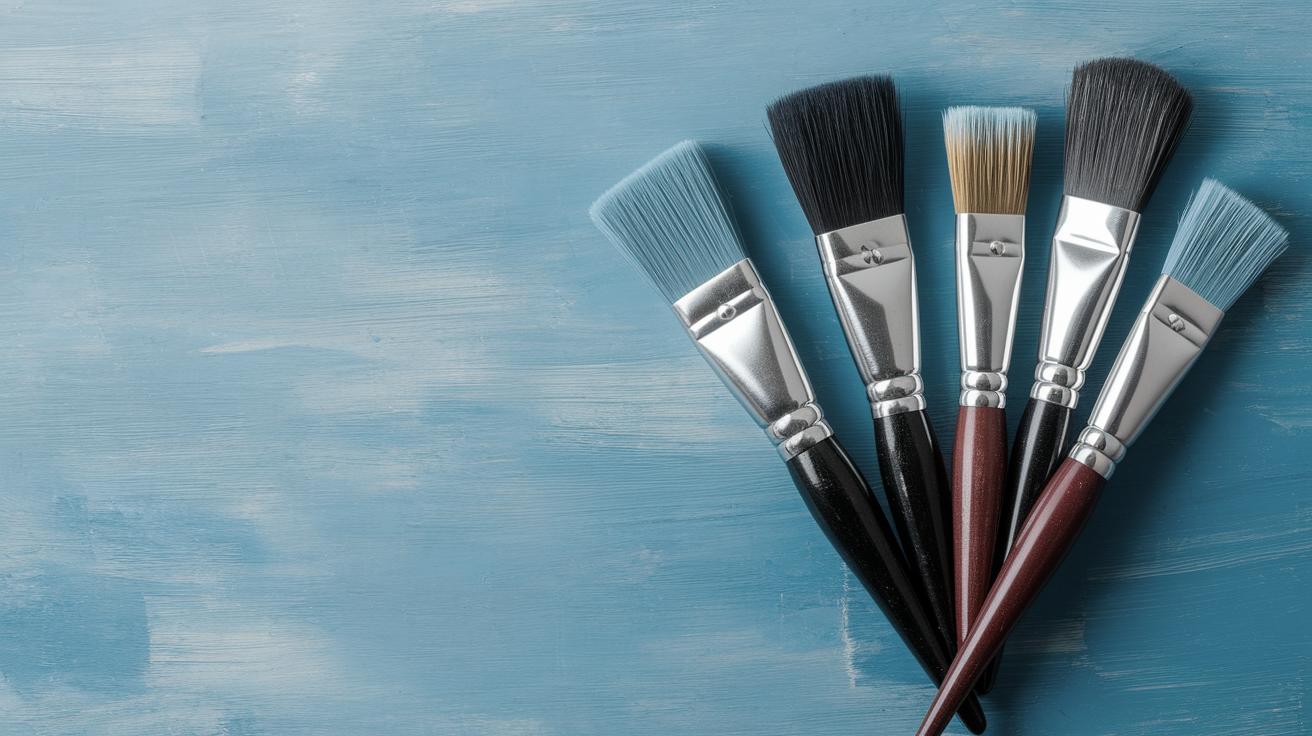
How to Care for Paint Brushes
Paint brushes are an essential tool for any artist or decorator. To ensure they last and perform well, proper care is crucial. This blog post delves into the key aspects of maintaining your paint brushes, from initial steps to cleaning and storage. We’ll explore various techniques and tips to prolong the lifespan of your brushes, keep them in good shape, and ensure your painting projects always have a professional touch. By the end of this guide, you’ll have a comprehensive understanding of brush care, ensuring that your investment in quality brushes pays off in vibrant, beautiful results.
Leave a comment
The First Steps in Caring for Our Paint Brushes
Caring for your paint brushes begins long before the cleaning process. The foundation of brush care lies in choosing the right type of brushes for your painting projects. Selecting high-quality brushes appropriate for your medium, such as watercolors or oils, is crucial. Quality brushes not only enhance your work but also withstand cleaning and maintenance processes better, offering longevity.
It is also important to prepare the brushes correctly before their initial use. Often, new brushes have sizing in the bristles, a thin glue coating that maintains their shape during transport. Always rinse brand-new brushes with lukewarm water to remove this sizing, ensuring that it doesn’t mix with your paint and affect your painting.
Clean Your Paint Brushes Frequently
Frequent cleaning is an essential practice for preserving the integrity and texture of paint brushes. Regular cleaning prevents paint from drying in the bristles and causing irreversible damage. Even within a single painting session, when switching colors or different mediums, it’s crucial to rinse your brushes thoroughly to prevent colors from mixing unintentionally.
Throughout your painting process, keep a jar of water nearby (if using water-based paints) or a suitable solvent for oil-based paints. Frequently dip and rinse your brushes to ensure they remain clean or to remove any paint buildup as you work. Consistent cleaning not only safeguards your brushes but also provides a better painting experience with finer control and pristine colors.
Clean Your Brushes Appropriately
It’s not just about cleaning often, but also cleaning correctly. The method of cleaning depends on the type of paint you’re using. Water-based paints, like acrylics, can usually be rinsed with water. For oil paints, however, you’ll need turpentine or a brush cleaner specifically designed for oil paints. After removing the excess paint, wash the bristles with a gentle soap and lukewarm water, working any paint out of the inner bristles.
After cleaning, it’s important to thoroughly rinse out all soap and cleaner. Leftover cleaning agents can harden the bristles over time, affecting the brush’s flexibility. Once rinsed and cleaned, gently press the bristles with a paper towel to remove excess water and return them to their natural shape as part of the drying process.
Don’t Lose the Brush’s Shape
The shape of a paint brush is one of its most important characteristics and must be preserved during cleaning and storage. After cleaning, reshape the brush to its original form using your fingers. This small step is vital because a brush that dries in the wrong shape will perform poorly and could be permanently damaged.
To further protect the shape, consider storing brushes vertically with the bristle end up, or horizontally to avoid any pressure on the bristles. This prevents the deformation that happens when brushes are improperly stored with the bristles in contact with a hard surface or under pressure.
Don’t Let Them Soak for too Long
While soaking brushes overnight might seem like a good solution for deep cleaning, it can actually damage the brush. Extended soaking can cause the ferrule (the metal part that holds the bristles together) to loosen and degrade over time, leading to shedding bristles and a shorter lifespan for the brush.
Instead of prolonged soaking, opt for gentle and frequent cleaning. If necessary, use a brush cleaner or conditioner designed specifically to break down any stubborn paint. These are effective without compromising the structural integrity of the brushes, ensuring they remain in peak condition for future use.
Next Steps
| Step | Description |
|---|---|
| The First Steps in Caring | Choose quality brushes and rinse new ones to remove sizing before use. |
| Clean Frequently | Regularly rinse brushes during painting to prevent paint from hardening. |
| Clean Appropriately | Use water for water-based paints, solvents for oil-based, and rinse thoroughly. |
| Preserve Brush Shape | Shape bristles after washing and store brushes properly to maintain shape. |
| Avoid Long Soaking | Avoid soaking overnight to prevent ferrule damage and bristle loss. |

