
Exploring the Difference Between Art and Painting
Art and painting are terms often used interchangeably, yet they encompass distinct concepts that deserve individual exploration. While “art” serves as an umbrella term that encapsulates a plethora of creative expressions, “painting” represents just one form of visual art within this vast category. By examining the unique characteristics and realms of both, we can appreciate the broader scope of artistic endeavors and discern the particular nuances and traditions inherent to painting. This post delves into these differences, shining a spotlight on how painting fits into the broader art world, while also highlighting the contributions of notable institutions like Fitzwilliam Fine Art Galleries, which curate and celebrate this vibrant medium.
Art: A broad and inclusive term
Art encompasses a vast spectrum of human activity that involves creative or imaginative talent, typically expressed through mediums such as music, literature, dance, sculpture, and the visual arts, to name just a few. This broad category is united by the intent to convey beauty, stir emotions, or prompt intellectual conversations. Diverse forms of art can provoke thought, capture the human experience, or simply reflect the intricate world around us.
The fascinating thing about art is its boundlessness—it evolves and expands alongside human culture and technological advancements. From the earliest cave paintings to digital installations, art continuously redefines itself through innovation. Art’s versatility is what allows endless exploration, bridging cultures and eras and forging connections that transcend language and societal barriers.
Despite its ephemeral qualities, art maintains a central role in human history due to its capacity to shed light on social issues, historical events, and individual struggles. Art is not confined to a single form or function, allowing subjective interpretation and deeply personal engagement from its audience.
Fine Paintings: A subset of visual art
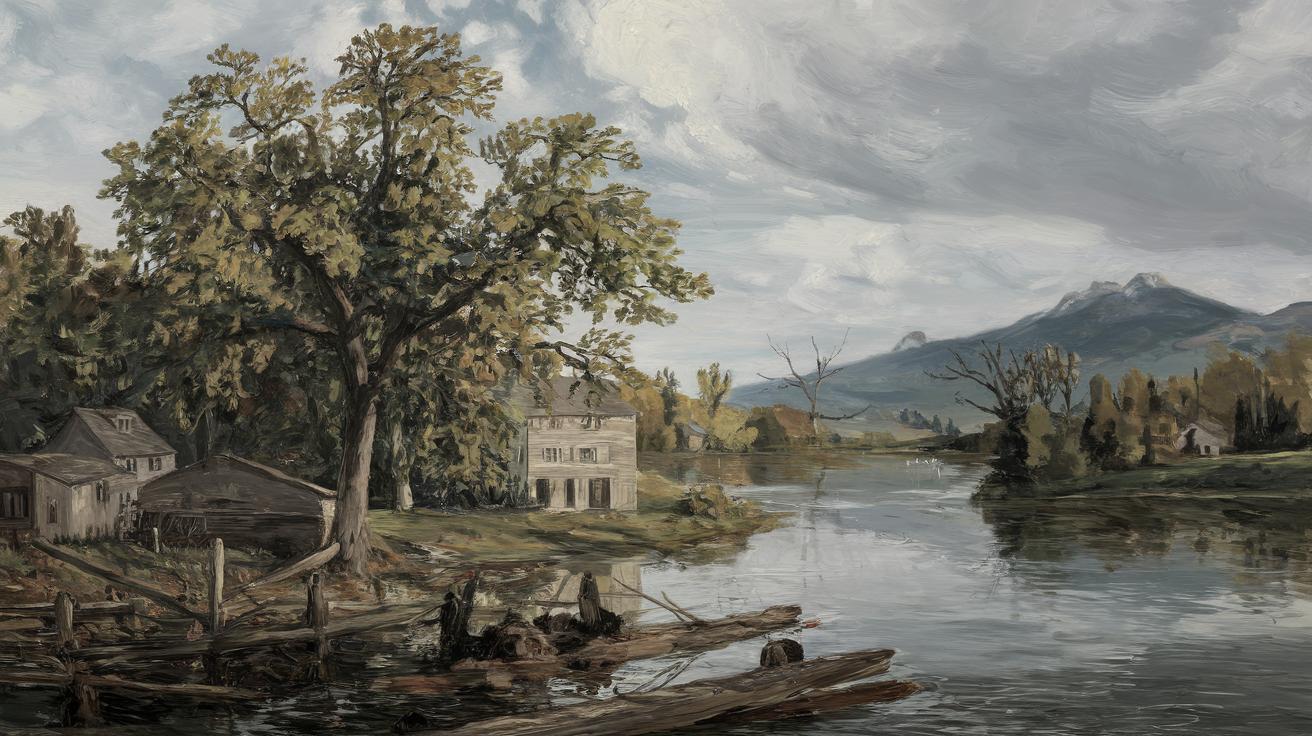
At the core of visual arts lies painting—a practice with a rich history of innovation and tradition. Defined by the application of pigments to surfaces, painting transcends mere representation, becoming a dynamic communication tool for many artists over centuries. Paintings can capture snapshots of reality or delve into abstraction, each work offering a unique perspective through color, form, and technique.
Paintings, as both standalone pieces and part of larger movements, frequently reflect the zeitgeist of their time. From the stark realism of Renaissance pieces to the emotive swells of Impressionist works, each brushstroke tells a story, inviting viewers to interpret and engage on a personal level. Painters like Van Gogh and Monet have left indelible marks on history, their works continuing to inspire admiration worldwide.
A defining characteristic of fine paintings is their ability to evoke emotions, often becoming symbols of cultural identity or commentary on societal trends. Whether in a gallery, museum, or private collection, each piece of fine art painting invites contemplation, serving as a testament to the enduring power of this visual practice.
The Key Differences Between Art and Fine Paintings
While both art and fine paintings serve as mediums of expression, they differ significantly in scope and form. Art encompasses a multitude of mediums beyond the visual dimension, such as literature, music, and dance, each with its unique language and mode of expression. This overarching category encompasses a wider range of creative practices that extend beyond the confines of physical mediums.
Contrastingly, fine painting falls within the visual arts discipline, concentrating specifically on the creation of imagery through color and composition. Painting involves specialized techniques like brushwork, texture control, and color mixing, which collectively contribute to the unique aesthetics of the medium. This specific focus allows painters to hone their craft, exploring myriad styles and narratives within each canvas.
Understanding the distinction between art as a whole and the specialized practice of painting is crucial for recognizing the broader impact of the arts. While fine paintings exist within the art framework, their unique attributes and methodologies provide a distinct channel for visual exploration and expression, shaping our collective cultural heritage in a significant manner.
Fitzwilliam Fine Art Galleries
Fitzwilliam Fine Art Galleries stands as a beacon for those seeking to explore the vibrant world of painting. Renowned for curating a rich array of works, the galleries play a pivotal role in promoting appreciation for the fine arts, not only focusing on paintings but extending to various artistic expressions. Through a dynamic lineup of exhibitions, Fitzwilliam Fine Art Galleries showcase both classical paintings and contemporary art, offering audiences a holistic view of the art world.
By bridging historical and modern art, Fitzwilliam Fine Art Galleries connect visitors to the evolving narrative of painting, celebrated through curated exhibitions and collections. Their commitment to fostering an appreciation for fine art extends beyond showcasing works, engaging the community through educational programs and events that delve into the stories behind the art.
In championing both emerging talent and established artists, Fitzwilliam Fine Art Galleries ensure that painting remains a vibrant and continually evolving discipline. By celebrating the rich tapestry of visual arts, the galleries serve not only as custodians of artistic heritage but also as incubators for the artists of tomorrow.
Lessons Learned
| Aspect | Art | Fine Paintings |
|---|---|---|
| Definition | Broad category of creative expressions. | A specific practice within the visual arts. |
| Scope | Encompasses various forms like music, dance, literature. | Focuses on imagery through color and technique. |
| Expression | Diverse mediums and interpretations. | Uses specific techniques like brushwork and texture. |
| Institutions | Multitude, covering different art forms. | Dedicated galleries like Fitzwilliam Fine Art. |

