
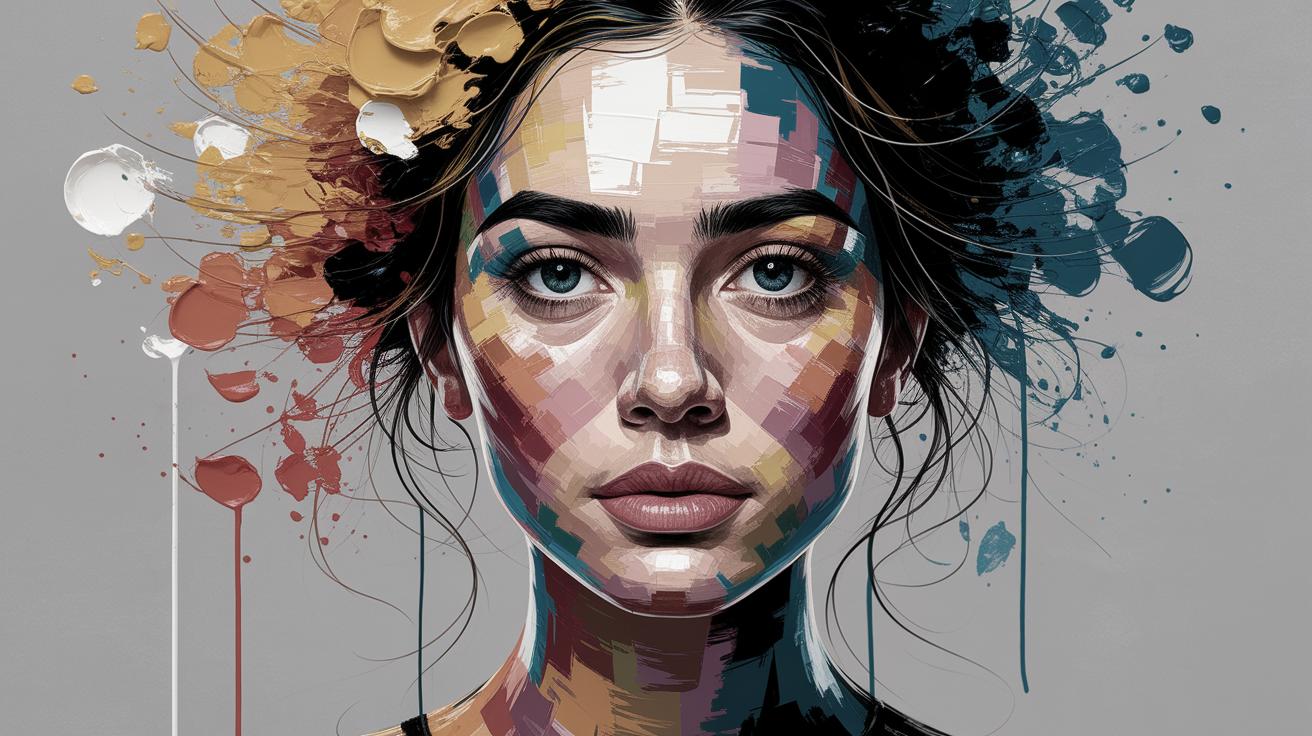
Exploring the World of Abstract Oil Painting Portraits
Abstract oil painting portraits capture the imagination and provide a unique canvas for artists to express both the complexity and fluidity of human emotions. This blog post delves into the myriad techniques and processes involved in creating these masterpieces. We explore why oil paints remain a favored medium for portraits, the importance of a colored ground, and the nuanced concept of ‘fat over lean.’ Each section breaks down the steps of painting an oil portrait, from layout and palette management to refining shadows. Alongside technical insights, readers will discover the importance of selecting the right materials and the role a reference photograph plays in the process. This post serves as a comprehensive guide for aspiring and seasoned artists alike who are eager to master the art of abstract oil portrait painting.
I now have a 6+hr Oil Portrait Video Course
For those eager to delve deep into the art of oil portraits, I am thrilled to offer a 6+ hour video course. This course is meticulously designed to walk you through a distilled grisaille process and full-color glazing demos, providing profound insights into two contrasting portrait techniques.
Each video section covers essential techniques and offers hands-on demonstrations, highlighting the nuances of oil portrait glazing. This comprehensive guide ensures participants grasp the intricacies of blending colors, achieving depth, and harnessing light in portraiture. You can find the course introduction and details on the Oil Portrait Glazing Course page.
How to paint a black & white portrait in Oils
Painting a black and white portrait using oils is an exercise in understanding value and form without the distraction of color. The monochrome palette forces artists to focus on contrast, shadow, and shape, core components of capturing likeness and emotion.
By mastering black and white techniques, artists can develop a stronger grasp of their medium and the behaviors of light and shadow. Each nuance in a grayscale portrait builds a foundation for transferring these skills to full-color works.
A Step-by-Step approach
The step-by-step approach to painting simplifies the process, making it accessible for all skill levels. Begin with basic shapes and gradually introduce more detail as confidence grows.
Breaking down the portrait into manageable stages aids in systematically tackling challenges. This methodology not only makes the creative process less daunting but also allows for thorough exploration of technique and personal style.
Materials
Selecting the right materials is paramount to any successful artwork. High-quality oil paints, brushes, and canvases enhance your ability to manipulate pigments and textures effectively.
Additionally, mediums like linseed oil and mineral spirits help in controlling the paint’s consistency, drying time, and gloss, offering the flexibility needed for both precise detailing and broad expressive strokes.
Why oil portraits?
Oil paints have remained the preferred choice for portraits because of their unmatched vibrancy, longevity, and rich texture. Their slow drying time allows for intricate blending and layering, essential for achieving nuanced skin tones and textures.
Furthermore, the depth and luminous quality that oils provide cannot be replicated by other mediums, making them the ideal choice for capturing the essence of a subject in portraiture.
Coloured ground
Applying a colored ground can significantly influence the tone and mood of a portrait. It serves as an underlayer that can affect the hues of overlying paint, thus playing an integral part in the overall cohesion of the piece.
A warm-toned ground can add vibrancy and warmth to a portrait, while cooler tones may impart a somber or dramatic effect. Choosing the right ground color is as critical as mixing the paints themselves.
What is fat over lean?
The principle of ‘fat over lean’ is crucial in oil painting to prevent cracking as the painting ages. ‘Lean’ refers to a mixture with more solvent and less oil, while ‘fat’ incorporates more oil, making subsequent layers more flexible.
Observing this rule ensures that the oil paint layers bind correctly and maintain their integrity over time, preserving the lifespan and vibrancy of your portrait.
Palette layout and tone
A well-organized palette is essential for maintaining an efficient painting process. Grouping colors by temperature and shade can expedite mixing and help maintain a consistent palette throughout the work.
Understanding the tone inherent in your pigments and using neutral grays effectively can help maintain balance and harmony in the portrait, guiding the viewer’s eye across the canvas.
Reference photograph
A high-quality reference photograph acts as an essential guide, helping artists maintain proportion and likeness while allowing for creative expression. The right photograph captures the subject’s unique features and essence.
A sharp photograph with good lighting ensures that shadows, highlights, and details are visible, providing a reliable template from which to draw inspiration and guidance.
Drawing out portraits
Begin with a pencil or charcoal sketch to outline the proportions and major planes of the face. This initial mapping creates a guide for where to apply oil paint and ensures symmetry and balance.
Pay close attention to the subject’s features, capturing the character and expression, as these initial lines form the bones of the piece, guiding the entire painting process.
Step 1 – Block in the background
Starting with the background helps set the stage for the portrait. Consider how the backdrop complements the subject, influencing both mood and composition.
Blocking in large areas of color simplifies the initial approach, enabling you to focus on developing the subject without distraction. Color choices for the background can affect the palette and atmosphere of the entire work.
Step 2 – Block in the darkest darks
Identifying and applying the darkest tones early provides a reference for the entire value range of the portrait, allowing for a cohesive and balanced composition.
These shadows anchor the piece, helping convey depth and form, setting the stage for midtones and highlights to bring the portrait to life.
Step 3 – Dry brush in the shadow line
A dry brush technique introduces subtle shadow contrasts without overwhelming the composition. It adds depth gradually, defining planes gently and ensuring seamless transitions.
This technique is useful for softening transitions between light and shadow, enhancing the three-dimensionality of the portrait.
Step 4 – Soften the edges
Softening edges contributes to a more natural look, preventing the portrait from appearing too stark or artificial. Blend transitions with a delicate touch to enhance realism.
This step encourages the eye to move fluidly across the painting, allowing features to emerge naturally rather than appear as separate from the composition.
Step 5 – Add more shadow detail
Introducing additional shadow detail as the painting progresses enhances depth and contrast, crucial for capturing likeness and adding an authentic three-dimensional quality.
Careful application of shadows can emphasize or soften features, offering nuanced control over the portrait’s emotive impact.
Step 6 – Using a smaller brush
Transitioning to a smaller brush allows for more precise application of detail, especially in intricate areas such as the eyes, lips, and hands, if included.
Precision tools help refine facial characteristics, bringing clarity and sharpness where necessary to capture the essence and subtleties of the subject’s expression.
Step 7 – Refining shadows
Refining shadows involves enhancing subtle differences between values, contributing to a more lifelike and dynamic portrayal of the subject.
Through careful refinement, shadows define the structure of the face, providing insight into both physical form and emotional depth.
Step 8 – Checking edges and having a cup of tea
Taking a step back to review the work provides a fresh perspective. Checking edges for harmony and balance is key at this stage, allowing for final adjustments.
A moment away from the canvas can often offer new insights and inspirations, making the seemingly simple act of having a cup of tea an essential part of the creative process.
Join the Art School Newsletter (it’s Free)
For regular insights, tutorials, and more on refining your art, consider joining the Art School Newsletter. It’s a vibrant community where artists share, learn, and inspire each other.
Subscribers receive the latest updates on classes, exclusive content, and more, ensuring continued learning and growth in the arts.
Leave a Reply Cancel reply
Engaging with fellow artists is invaluable in growing your skills and gaining feedback. Leaving a reply on articles and works in progress invites a dialog with a supportive community.
Feel free to share your thoughts, ask questions, or provide feedback. Constructive engagement is a cornerstone of artistic development, offering perspectives that expand creative horizons.
Final Thoughts
| Section | Description |
|---|---|
| Oil Portrait Video Course | 6+ hour course on oil portrait techniques, featuring grisaille and glazing methods. |
| Black & White Portraits | Explores creating portraits focusing on value and form, without color. |
| Materials | Importance of quality materials in achieving effective oil portraits. |
| Why Oil Portraits? | Explains the appeal and benefits of using oils in portraiture. |
| Coloured Ground | Discusses the impact of ground color on the overall tone and mood. |
| Fat over Lean | Essential principle for layering oil paints to prevent cracking. |
| Palette Layout | Guides organizing colors for effective painting workflow. |
| Reference Photograph | Role of photographs in capturing details and likeness in portraits. |
| Drawing Out Portraits | Starting with sketches to map facial proportions and planes. |
| Step 1 – 8 | Detailed steps from blocking in forms to refining shadows and edges. |
| Engagement | Options for joining newsletters and community engagements. |

