
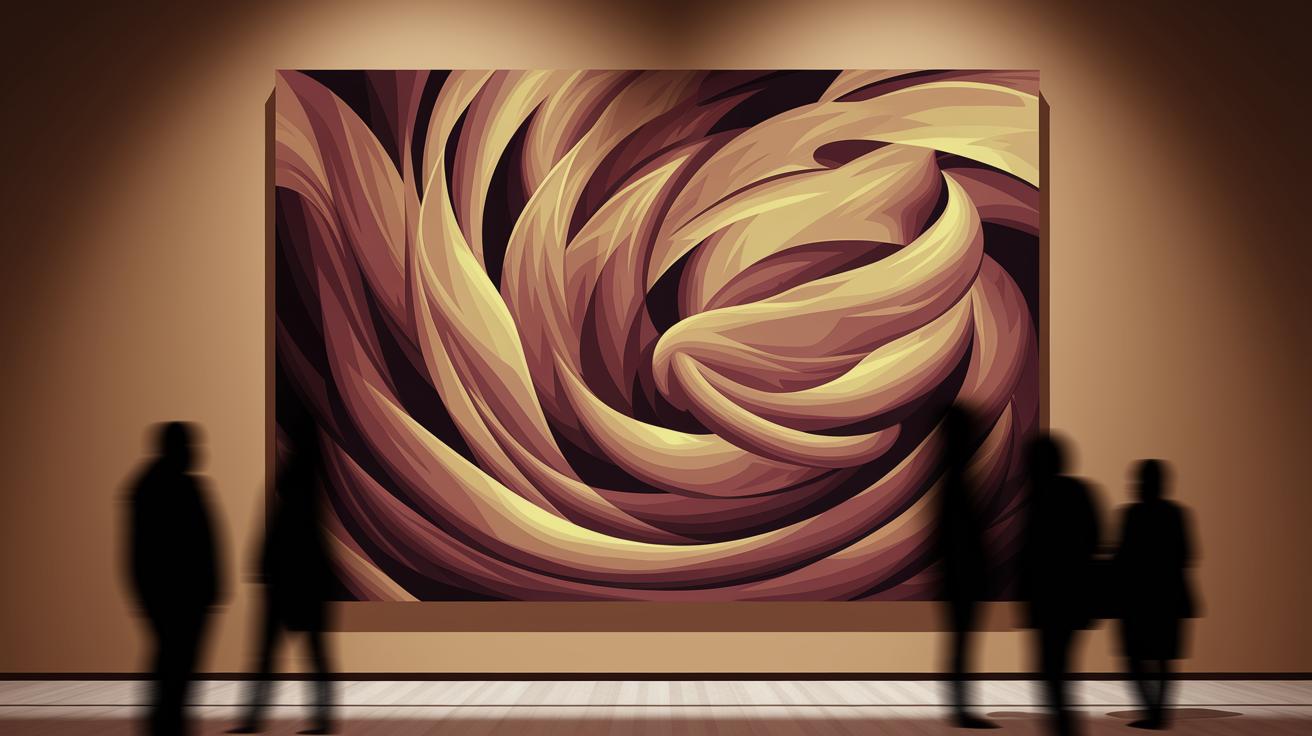
Understanding Non-Figurative Art: A Journey into Abstraction
Non-figurative art, often referred to as abstract art, resists the traditional representation of visual reality, instead emphasizing the use of shapes, colors, and forms to achieve its effect. In this blog post, we will explore the origin and development of non-figurative art, delve into the key differences between figurative and non-figurative art, examine the diverse styles within this genre, and discuss its impact on contemporary art. By understanding non-figurative art’s unique language and emotional potency, we can appreciate its role in the broader narrative of art history. We invite you to join us on this enlightening journey as we uncover the beauty and complexity of non-figurative art.
The Origins of Non-Figurative Art
The roots of non-figurative art can be traced back to the late 19th and early 20th centuries, a period marked by rapid social and technological changes. Artists like Wassily Kandinsky and Kazimir Malevich began to experiment with shapes and colors, moving away from traditional representational art. Influenced by the shifting dynamics of society and breakthroughs in psychology, these pioneers sought to express the ineffable through abstraction, giving birth to movements such as Expressionism and Suprematism.
Another significant milestone was the advent of the abstract expressionist movement in the mid-20th century, which saw artists like Jackson Pollock and Mark Rothko pushing the boundaries of abstraction to convey raw emotion. This era was fueled by a desire to explore the subconscious mind and the internal psyche, heavily drawing on the principles of Surrealism and existential philosophy. As the art world embraced these concepts, non-figurative art gained a strong foothold, and a new visual language emerged.
The interdisciplinary nature of non-figurative art also played a vital role in its evolution. As artists collaborated with writers, musicians, and philosophers, they drew from various cultural narratives, expanding the possibilities of abstraction. This cross-pollination of ideas facilitated a broader understanding of how art could represent abstract concepts and emotional states, thereby solidifying the place of non-figurative art in the modern art lexicon.
Figurative vs. Non-Figurative Art
Figurative art focuses on representing recognizable subjects from the real world, such as people, animals, and landscapes. It strives to depict these subjects in ways that are true to life or stylized according to the artist’s perspective. In contrast, non-figurative art breaks away from physical representation, utilizing abstract shapes, colors, and dynamic forms to convey meaning that transcends literal comprehension.
The divergence between these two styles often lies in intent and interpretation. While figurative art offers a narrative grounded in reality, non-figurative art invites viewers to engage with deeper, often non-verbal, dialogues. This openness to interpretation is both a liberating and challenging aspect of non-figurative art, as it demands more active participation from the observer and encourages personal connection and reflection.
Additionally, the techniques employed in both forms vary significantly. Non-figurative artists might experiment with unconventional materials, innovative uses of color, or exaggerated spatial composition to evoke specific emotional responses. It often prioritizes the expression of inner experiences and the essence of the subject matter, rather than their visual likeness, resulting in a rich tapestry of creative expression that challenges viewers’ perceptions and stimulates intellectual curiosity.
Diverse Styles of Non-Figurative Art
Non-figurative art encompasses a wide range of styles, each with its unique characteristics and philosophies. One prominent style is Abstract Expressionism, which is characterized by spontaneous, automatic, or subconscious creation. Artists within this movement, such as Pollock and de Kooning, emphasized improvisation and gestural brushstrokes to evoke emotion and communicate complex themes of identity and existence.
Another significant style is Minimalism, which emerged as a reaction against the emotive intensity of Abstract Expressionism. Minimalist artists focus on pared-down elements, using simple geometric shapes and monochromatic palettes to explore concepts of purity and order. Through Minimalism’s reductive approach, it seeks to highlight the materiality of art and the space around it, encouraging meditative contemplation.
Non-figurative art also encompasses the vibrant dynamism of Op Art, exploring optical illusions through precise patterns, and the expressive creativity of Color Field Painting, which focuses on large blocks of color to stir emotional and sensory reactions. This diversity within non-figurative art exemplifies its adaptability and endless capacity for innovation, as artists continually challenge traditional boundaries to create immersive and thought-provoking works.
The Impact of Non-Figurative Art on Contemporary Art
Non-figurative art has left an indelible mark on contemporary art, influencing a wide array of styles and practices. Its emphasis on abstraction and conceptual exploration paved the way for today’s multimedia and postmodern movements, where boundaries blur between disciplines, creating immersive art experiences. Artists now tackle complex narratives such as identity, technology, and globalization through the lens of abstraction.
Moreover, non-figurative art has expanded the dialogue within the art community regarding the role of the artist and the viewer. By prioritizing subjective interpretation over fixed meaning, it democratized art appreciation, allowing individuals to derive personal significance from each encounter. This mode of interaction has influenced public and private art spaces that now encourage active engagement and participation from viewers, rather than passive observation.
In educational contexts, non-figurative art is celebrated for its ability to foster critical thinking and personal expression. As students learn to navigate abstract concepts, they develop skills in interpretation, empathy, and creativity. The legacy of non-figurative art continues to shape the education of future generations, inspiring a profound appreciation for innovation and diversity in artistic practice.
Lessons Learned: The Value of Non-Figurative Art
| Aspect | Insights |
|---|---|
| Origins | Born from societal shifts and interdisciplinary collaborations; pioneers sought to express the ineffable through abstraction. |
| Comparison | Differences in intent and interpretation compared to figurative art, inviting deeper engagement and personal reflection. |
| Diverse Styles | Encompasses various movements like Abstract Expressionism, Minimalism, Op Art, and Color Field Painting, each with unique characteristics. |
| Contemporary Impact | Paved the way for multimedia and postmodern movements; expanded dialogue on art’s role and influenced educational practices. |
Leave a comment
What are your thoughts on non-figurative art? How has it influenced your perception of art and creativity? Share your comments and join the conversation below!

