
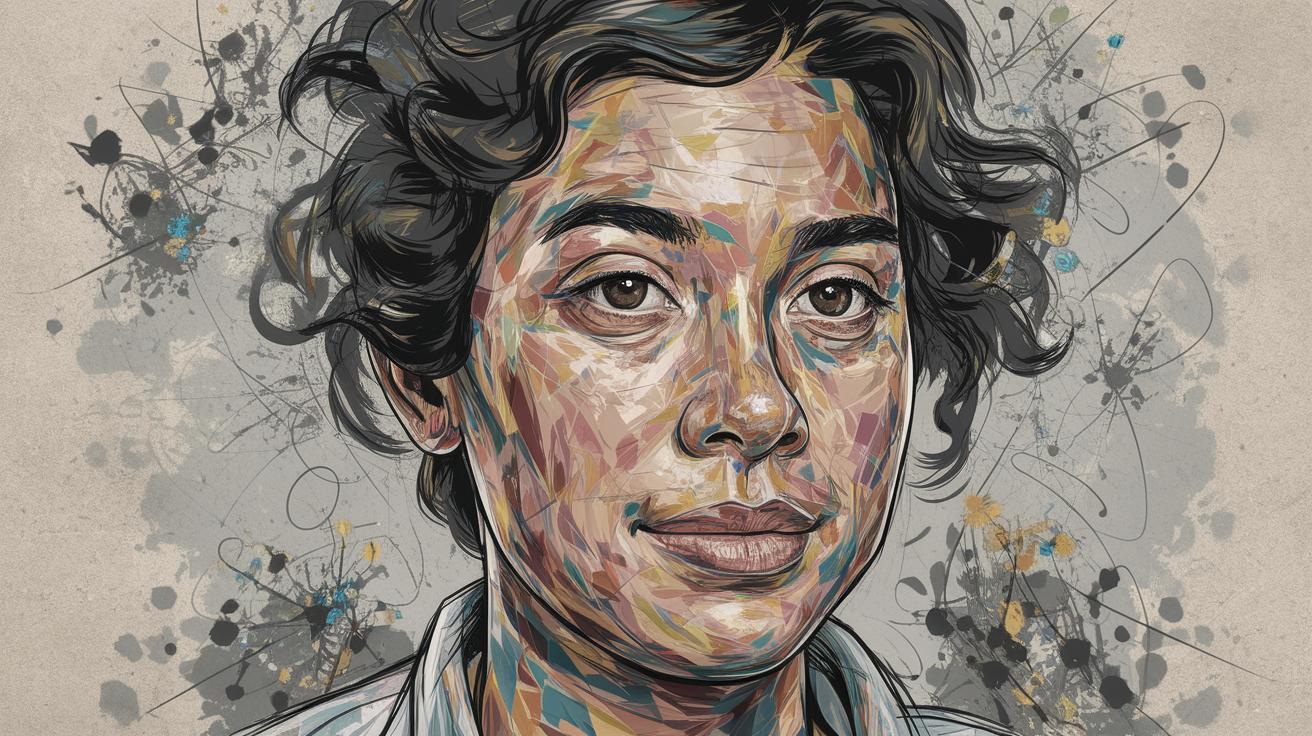
Contemporary Art Drawing Basics
Contemporary art drawing opens a world of creativity that invites participants to both make and appreciate art from new perspectives. This blog post delves into the process of creating abstract art, including why you should engage in the practice, the materials you need, and techniques that can be used to bring your vision to life. We will explore the simplicity behind making art, how to frame modern works, and how to draw inspiration from diverse sources. Ending with practical advice on painting techniques and easy framing solutions, this guide is designed to empower you to start your own art journey with confidence and enthusiasm.
Why make your own art?
Creating your own art is an expressive and therapeutic activity that allows you to communicate and explore your thoughts and emotions visually. Contemporary art, in particular, lets you break away from traditional norms, offering an experimental approach that fosters creativity and individual interpretation.
Making your own art is not just about producing a visual piece but also about the process of creation. It encourages exploration, experimentation, and a deeper understanding of oneself. Moreover, the joy and satisfaction of creating something unique can be a deeply rewarding experience, providing a sense of accomplishment and personal growth.
What do you need to make abstract art?
The beauty of abstract art lies in its freedom and lack of restrictions. You don’t need many complicated tools or supplies to get started. Basic materials like paper or canvas, a set of paints – whether watercolor, acrylic, or oil – and a few brushes can set you on your way.
Additionally, some artists prefer to incorporate unconventional materials such as fabric, sand, or found objects to add texture and depth to their work. The key is to utilize resources creatively and to view everyday items as potential components of your art.
What techniques can you use?
Abstract art offers a wealth of techniques that can be tailored to your interests and style. Techniques such as pouring, splattering, and layering can be used to create varying textures and visual effects. Experimenting with these methods allows you to understand how different mediums interact.
Another popular approach is utilizing geometric shapes or pushing the boundaries of form and color. These techniques can create unique visual experiences and demand the viewer’s engagement, prompting them to interpret the artwork through their own lens.
Making Art is not Difficult
One of the most common misconceptions about art is that it requires inherent talent or advanced skills, but making art is accessible to everyone. Remember that abstract art embraces imperfections; it’s more about the process and less about adhering to rigid standards.
Even with minimal experience, creating art can be a fun and fulfilling way to express your vision and ideas. Approach your project with an open mind and willingness to experiment, enjoying the journey of creation as much as the finished product.
How to frame Modern Art
Framing modern art can enhance its appearance and protect it from damage, ensuring that the piece retains its aesthetic appeal over time. Choosing the right frame involves considering the colors and style of the artwork to complement rather than overshadow it.
Modern artwork often pairs well with sleek, minimalistic frames that highlight the art’s contemporary nature. Avoid overly ornate frames, which may detract from the abstract and sophisticated elements of your work, instead opting for frames that enhance the simplicity and elegance of the piece.
Take inspiration
Inspiration for contemporary art can come from various sources, whether it’s nature, urban landscapes, other artists, or personal experiences. Engaging with multiple sources broadens your perspective and enriches your artistic vocabulary.
Art museums, galleries, and online platforms such as Pinterest and Instagram can serve as valuable resources for discovering new styles and artists, offering a wellspring of ideas that can be adapted and integrated into your own creations.
How to paint
When it comes to painting, starting with a basic outline or loose sketch sets the foundation for your work. Experiment with color mixing and the application of paint, using different brush types and sizes to achieve various effects.
Working confidently with bold strokes assists in the creation of dynamic compositions, while attention to how colors interact on the canvas brings depth and harmony to the piece.
Framed up easily
Once your artwork is complete, framing it properly can elevate its impact. Selecting a frame that complements your art aesthetically ensures that the artwork remains the focal point.
Consider using professional framing services for more valuable pieces or when seeking a refined finish. For simpler works, basic framing kits are an economical and efficient option to display your art proudly.
Next Steps
| Aspect | Details |
|---|---|
| Why Make Art? | Explore creativity, communicate emotions, enjoy personal growth. |
| Needed Supplies | Paper, canvas, paints, brushes, and unconventional materials. |
| Techniques | Pouring, splattering, layering, use of geometric shapes. |
| Creation Simplicity | Accessible to all, process-focused, enjoy experimentation. |
| Framing Art | Choose minimalistic frames, enhance artwork appearance. |
| Inspiration Sources | Nature, urban landscapes, other artists, personal experiences. |
| Painting Process | Begin with a sketch, experiment with colors, create dynamic compositions. |
| Framing Options | Professional framing for valuable pieces, basic kits for simpler works. |