
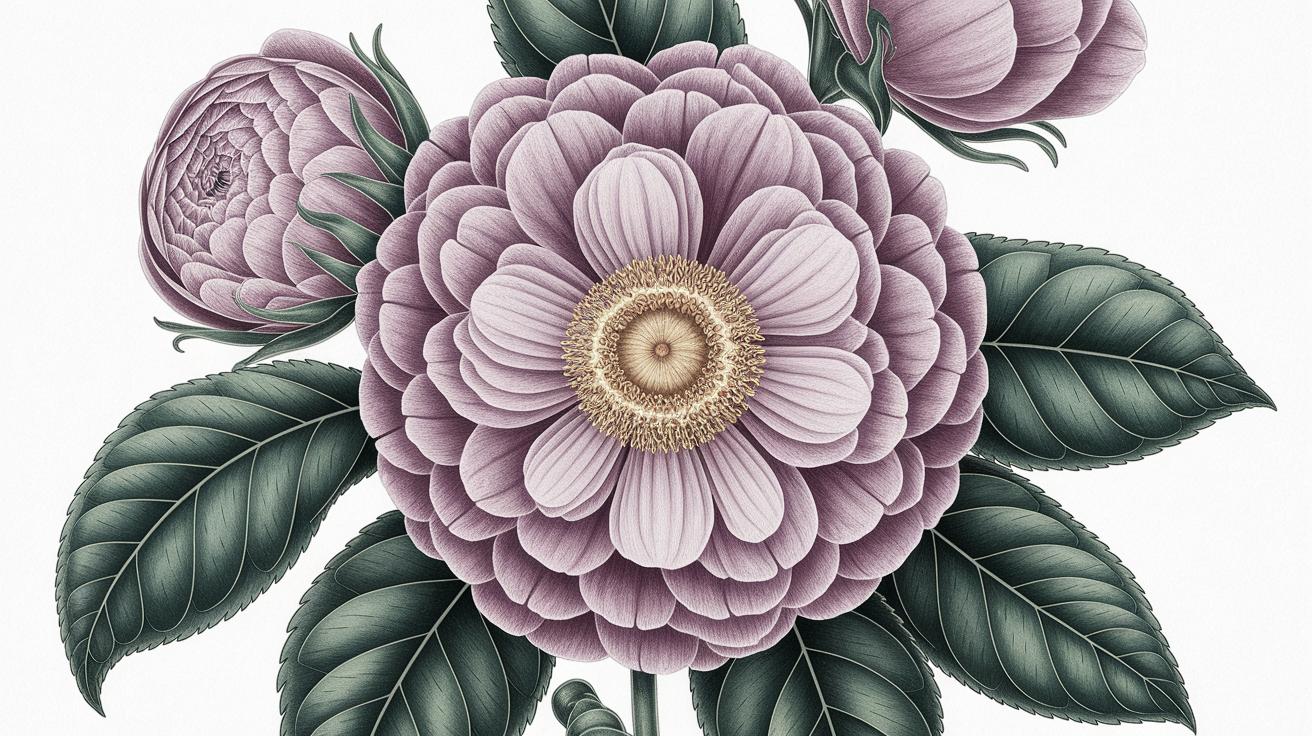
Realism and Realistic Flower Drawing: A Journey Through Artistic Expression
Realism in art is a celebration of life’s intricate beauty, capturing the essence of subjects with precision and emotion. This blog post dives into the facets of realistic flower drawing and beyond, exploring the techniques and practices that artists use to bring their visions to life. From the detailed strokes that define shading and sketching to the fascinating nature of irises, each section provides insights into the world of realism. We’ll also touch upon art-related challenges and warnings about scams in the art community. Whether it’s through a 10-minute sketch challenge or understanding the significance of design and values when starting a painting, this post serves as a guide to appreciating and mastering realistic drawing.
Shading Drawing Sketches Portraits
Shading is a fundamental technique in realism that breathes life into portraits and sketches by adding depth and volume. Artists utilize various shading methods such as hatching and cross-hatching to create gradients that mimic the play of light and shadow across a subject. This technique is crucial for realistic flower drawing, where the delicate interplay of light on petals demands careful attention to detail.
Aside from technique, the choice of medium also impacts the realism of a shaded drawing. Graphite pencils are a staple for many artists due to their versatility and ease of blending, allowing for the subtle transitions necessary in depicting floral subjects. Striking a balance between hard and soft pencils helps achieve both detailed lines and smooth gradients, essential in realistic rendering.
Painting of the Week: “Light and Lace”
“Light and Lace” is a stunning example of how realism can be achieved in flower painting, capturing the delicate intricacies of lace-like patterns in petals illuminated by soft lighting. This artwork demonstrates mastery in the use of light, effectively highlighting the texture and translucency of flowers with incredible precision. Observing such paintings encourages artists to embrace the subtleties that nature presents, translating them onto canvas with care.
Artists exploring this piece will notice the thoughtful composition and use of negative space, which together frame the subject and direct the viewer’s eye throughout the painting. By controlling the intensity and direction of light, “Light and Lace” not only achieves an extraordinary level of realism but also evokes an emotional response that resonates deeply with audiences.
In the Off-Chance You Didn’t Know About These Art Scam Emails
As the art community becomes increasingly integrated with digital platforms, artists are more vulnerable to scams, especially through email communications. Common tactics include phishing emails posing as galleries or buyers interested in purchasing artwork. Artists must be vigilant, scrutinizing the authenticity of such communications to protect their work and financial interests.
To safeguard themselves, artists should verify the sender’s credentials and be wary of unsolicited offers that seem too good to be true. Additionally, maintaining updated security software and staying informed about emerging scam tactics can help artists navigate the digital landscape safely. Awareness and education are crucial tools in protecting oneself against art-related scams.
10-Minute Thumbnail Sketch Challenge: Birds
The 10-minute thumbnail sketch challenge serves as an excellent exercise for artists to refine their skills and practice observation. Focusing on birds, this challenge encourages quick studies of form and posture, which are essential skills transferable to realistic flower drawing. Capturing the essence of a subject in such a short time enhances an artist’s ability to perceive and depict movement and gesture.
These quick sketches can later be expanded upon, offering a foundation for more detailed and complex compositions. The challenge also promotes a habit of regular practice, which is vital for artistic growth and the development of a keen eye for detail in realism.
A Floral Spotlight: Each Iris Has Its Own Personality
Realism invites artists to explore the individuality of their subjects, and when it comes to flowers like irises, each bloom possesses unique characteristics. The subtle variations in petal shape, color, and texture present opportunities to capture not just a flower’s appearance but its personality and essence.
When drawing irises, artists should focus on emphasizing these unique traits by observing them closely under different lighting conditions. This practice not only enhances the realism of the artwork but also deepens the connection between the artist and their subject, resulting in a piece that truly reflects the singular nature of the iris depicted.
Starting a Painting with Design and Values
One of the foundational steps in creating a realistic painting is thoughtfully establishing design and values. Artists begin by determining the composition and the relative lightness or darkness—the values—within their painting. This planning stage ensures a balanced and visually engaging piece, where the focus can be directed purposefully.
Especially in realistic flower drawings, such attention to design and values allows for an intricate portrayal of the subject. It ensures that the arrangement of elements within the piece not only complements the flower but also engages the viewer’s senses, guiding their journey through the artwork.
| Topic | Summary |
|---|---|
| Shading Drawing Sketches Portraits | Explores shading techniques essential for realism in portraits and flower sketches, emphasizing the importance of medium choice. |
| Painting of the Week: “Light and Lace” | Highlights an exemplary painting demonstrating skillful use of light and detailed composition to achieve realism. |
| In the Off-Chance You Didn’t Know About These Art Scam Emails | Discusses the prevalence of art scams in digital communications and provides tips for artists to protect themselves. |
| 10-Minute Thumbnail Sketch Challenge: Birds | Offers insight into a quick sketching challenge that builds transferable skills for realistic drawing. |
| A Floral Spotlight: Each Iris Has Its Own Personality | Focuses on capturing the unique qualities of irises in realistic flower drawing, emphasizing individuality and observation. |
| Starting a Painting with Design and Values | Describes the initial stages of painting, highlighting the importance of composition and value planning for successful realism. |