
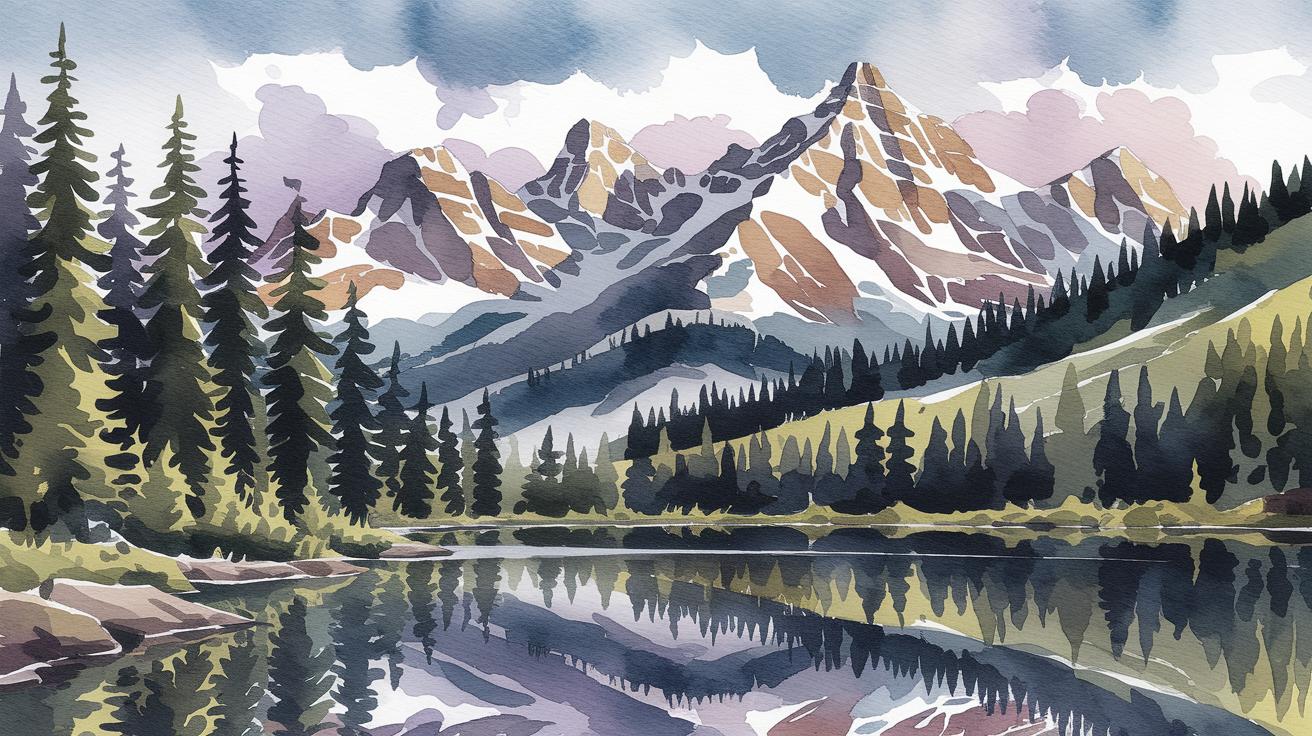
Step by Step Watercolor Painting Tutorials
Watercolor painting is a versatile and engaging art form that allows artists to explore a range of expressive techniques while enjoying the flow and transparency of the medium. Whether you’re a beginner eager to dive into the world of watercolor or an experienced artist looking to refine your skills, these step-by-step tutorials offer guidance and inspiration. From painting charming animals like elephants and foxes to capturing the beauty of still lifes and landscapes, these tutorials will enhance your watercolor journey. By the end, you’ll be equipped with new techniques and ideas to inspire your creative endeavors.
Elephant Watercolor Tutorial
Capturing the majesty and gentle nature of elephants can be a delightful challenge in watercolor painting. This tutorial guides you through the process of painting an elephant, focusing on achieving the distinctive skin texture and graceful form. Start by sketching the basic outline of the elephant with a light pencil, paying attention to the proportions and shape.
After the outline is ready, begin with a wet-on-wet technique for the first wash. Choose muted grays and browns to bring out the natural tones of the elephant’s skin. Layer darker hues as you build depth and texture, employing dry brush techniques for realistic wrinkles and contours. Your goal is to reflect the gentle wisdom and strength of this magnificent creature.
Lemon Watercolor Tutorial
Painting a lemon offers a chance to explore vivid colors and the play of light on its textured surface. Begin by lightly drawing the lemon’s shape and adding faint guidelines to indicate highlights and shadows. Keep the outline subtle to ensure a clean, fresh result in your painting.
To capture the lemon’s brightness, start with a wet-on-dry method using a bright yellow wash. Gradually add layers of richer yellow and touches of orange to highlight the sunny warmth of the fruit. Carefully layer shades of green and blue to depict shadows and bring dimensionality to the fruit. The key is to maintain the vibrancy that makes lemons so appealing.
Easy Lighthouse Watercolor Tutorial
Lighthouses are iconic symbols of guidance and resilience, making them a compelling subject for watercolor painting. To begin, sketch the lighthouse with attention to perspective and proportions, allowing you to capture its towering presence.
Start with a light wash for the sky, blending serene blues with a touch of orange for a captivating atmosphere. As you move to the lighthouse, employ a combination of techniques like graded washes and dry brushing to achieve the weathered texture of the structure, ensuring you pay attention to shadow play and light reflections.
Easy Fox Watercolor Tutorial
Foxes, with their playful charm and vibrant fur, offer an exciting challenge for watercolor artists. Start with a sketch that captures the fox’s inquisitive expression and recognizable features.
Use a vivid palette of vibrant oranges and deep reds to capture the fox’s coat, blending warm hues for a realistic representation. You can incorporate layers of darker shades for shadow and contour, enhancing the fox’s natural grace. The goal is to capture the liveliness and curious nature of these charming creatures.
Still Life Watercolor Tutorial
Still life paintings are perfect for practicing composition and colorwork. Begin by carefully arranging your subjects—perhaps a collection of fruits, flowers, or everyday objects. Sketch lightly with balanced compositions in mind.
Start your painting with a wet-on-dry technique, applying light color washes to establish tone and form. Building layers of detailed color will add depth and realism, enhancing textures and the interplay of light and shadow. Focus on keeping colors clear and bright to capture the essence of your still life subject matter.
Carnation Watercolor Tutorial
Carnations, with their delicate petals and rich hues, can be an enchanting subject to paint. Start by drawing the flower, concentrating on the intricacy of petal arrangements.
Establish a soft first layer using light pinks and build upon it with a range of reds and purples to develop the flower’s depth. Use precision in layering to define each petal, creating a realistic bloom bursting with life. The result should offer both artistic expression and the plant’s natural beauty.
Simple Color Matching Tutorial
Effective use of color is essential for successful watercolor paintings. In this tutorial, you’ll learn to match colors using a simple, systematic approach. Start by observing the colors you wish to replicate, then mix your paints to match them accurately.
Focus on understanding the color wheel, including complementary and analogous colors, to create harmonious combinations in your work. Practicing color mixing builds confidence in creating compelling compositions with depth and subtlety. This skill transforms your paintings with vibrant and balanced hues.
Accurate Value Mixing in Watercolor
Value defines the light and dark areas within a painting, contributing to its sense of realism and depth. Begin by identifying value differences in your subject, creating a monochromatic value study using diluted shades of a single color.
Techniques like glazing and layering allow you to adjust values accurately, providing contrast and interest in your compositions. Mastering value mixing helps emphasize form and depth, a crucial skill that elevates the quality of your watercolor artwork.
Watercolor Pear and Apple Tutorial
Painting fruit such as pears and apples is excellent for refining form and color. Start by sketching the basic shapes of the fruit, considering their proportions and position for a pleasing arrangement.
Apply initial light washes in yellows and greens for pears, and reds with subtle greens for apples, layering to denote depth and texture. Pay attention to highlight and shadows using glazing techniques to bring realism and freshness to your painting, showcasing the lusciousness of the fruit.
Loose Watercolor Bird Tutorial
Birds, especially when painted with a loose, expressive touch, can soar with life and motion. Start by sketching a simple outline of a bird in flight or at rest. Focus on the overall shape instead of detailed features.
Use fluid brushstrokes with plenty of water to capture the dynamics of the bird. Incorporate a variety of colors in soft washes, adding details as the paint dries. This method encourages creativity and movement, emphasizing the beauty and grace of avian subjects.
Online Zoom Classes
For those seeking additional instruction and community, online Zoom classes provide an excellent platform to enhance your watercolor skills. These classes offer structured lessons, interactive discussions, and personalized feedback.
Participating in Zoom classes connects you with passionate instructors and fellow artists, fostering a collaborative learning environment. Whether you’re just starting or looking to refine your skills, these classes offer invaluable resources and support in your artistic journey.
Loose Watercolor Toucan Painting
Toucans, with their vivid coloration, are a fun and challenging subject. Begin with a light pencil sketch focusing on the toucan’s iconic beak and expressive eyes.
Use loosely applied washes to capture the bird’s vibrant palette of blacks, yellows, oranges, and greens. Emphasize the toucan’s playful nature with daring color contrasts and soft transitions that capture the liveliness of this delightful creature.
Barn Value Study and Color Study Watercolor Painting Tutorials
Capturing the rustic charm of barns requires a focus on value and color. Start with a basic sketch, emphasizing large masses and simple shapes for initial composition.
Conduct a value study with washes of grey to identify light and shadow balance. Follow up with a color study, experimenting with hues that reflect the barn’s surroundings, from earthy tones to deep shadows under a colorful sky. These studies develop your ability to visualize and execute vibrant country scenes.
Watercolor Fishing Boats Tutorial
Boats anchored at a peaceful bay can be a lovely scene to capture in watercolor. Start with a quick sketch to outline the boat’s form and the water’s edge, paying particular attention to reflections.
Use soft blues and greens for the ocean and sky, reserving sharp colors for boat details. Reflections require gentle blending for a seamless integration of the boat with its environment, capturing the essence of tranquil seaside life. Practice helps in achieving calm reflections and the lively play of sunlight on water.
Sign up for updates on classes and free livestreams
Staying connected with the art community enhances learning and keeps you informed of new techniques and opportunities. Consider signing up for updates on upcoming classes and free live streams designed to facilitate ongoing skill development.
By subscribing to newsletters or joining online platforms, you can access a wealth of resources and connect with fellow artists. These programs offer both structured learning and spontaneous inspiration, encouraging continuous growth and a vibrant community experience.
| Tutorial | Focus | Techniques |
|---|---|---|
| Elephant | Animal Portraits | Wet-on-Wet, Dry Brushing |
| Lemon | Color and Light | Wet-on-Dry, Layering |
| Lighthouse | Architecture | Graded Washes, Dry Brushing |
| Fox | Wildlife | Layering, Shadow Techniques |
| Still Life | Composition | Wet-on-Dry, Detailed Layering |
| Carnation | Flowers | Precision Layering |
| Color Matching | Color Theory | Mixing Techniques |
| Value Mixing | Realism | Glazing, Contrast |
| Pear and Apple | Fruit Still Life | Layering, Glazing |
| Bird | Expressive Painting | Loose Brushstrokes |
| Zoom Classes | Online Learning | Interactive Feedback |
| Toucan | Birds | Loose Painting, Vibrant Colors |
| Barn Study | Value and Color | Value Study, Color Layering |
| Fishing Boats | Seascapes | Reflection Techniques |
| Updates Signup | Continuous Learning | Community Engagement |

