
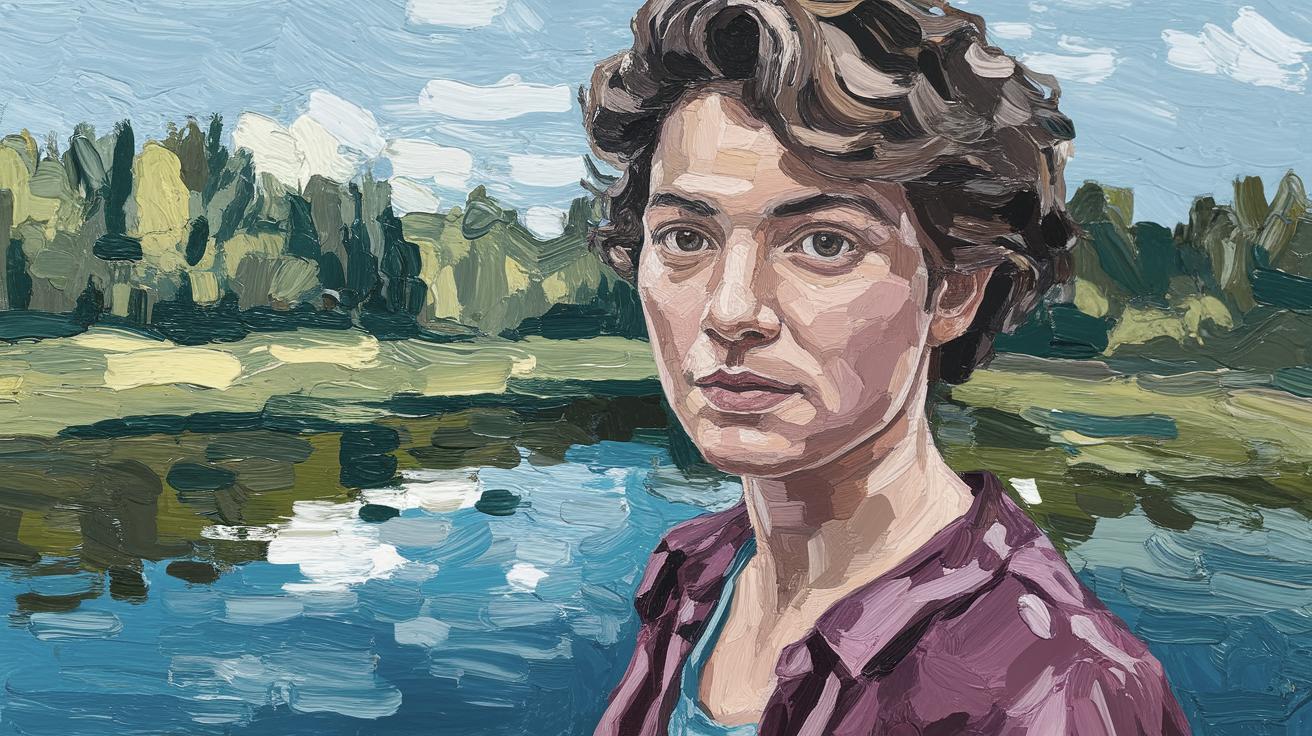
Acrylic Portrait Painting Ideas: Unlocking Your Artistic Potential
Discover professional acrylic portrait painting techniques that transform beginners into confident artists. Master realistic skin tones, advanced brushwork, and contemporary portrait styles with expert-tested methods.
Essential Acrylic Portrait Painting Fundamentals for 2025
Portrait painting has long been a revered art form, capturing the essence of individuals through skillful brushstrokes. Acrylic paints, celebrated for their versatility and vibrant hues, offer modern artists an exciting medium to explore portraiture with unprecedented control and flexibility.
Whether you’re a novice artist eager to dip your toes into the world of contemporary portrait painting or a seasoned painter seeking to refine your technique, exploring acrylic paints can enhance your artistic journey. This comprehensive guide delves into various facets of acrylic portrait painting, offering insights and ideas designed to ignite your creativity.
From developing your unique artistic voice to mastering the nuances of natural skin tone mixing, your pathway from rookie to professional portrait artist is paved with vibrant acrylics and proven techniques used by today’s leading portrait artists.
Taking You from Rookie to Rembrandt
Embarking on the journey of acrylic portrait painting can be both thrilling and daunting for beginners. As a rookie, focusing on the fundamentals of facial proportions, light theory, and color temperature is crucial for building a solid foundation.
Begin by studying the golden ratio proportions of the human face, understanding how directional lighting interacts with different skin types, and practicing basic sketch techniques using the sight-size method. Acrylics afford beginners the luxury of flexibility, allowing for corrections and adaptations throughout the painting process without the extended drying times of oil paints.
Start simple by capturing a face study, selecting subjects that intrigue you, and experiment with various brush techniques including dry brushing, scumbling, and glazing to bring your vision to life. Remember, each portrait you create is a measurable step toward mastering your craft and developing your unique artistic signature.
For those striving to elevate their skills to professional levels, delving into the depths of advanced painting techniques and personal style development becomes essential. Explore the rich array of textures and layers that acrylics can produce, experimenting with both heavy impasto techniques and smooth, delicate glazes that create luminous depth.
This technical diversity helps artists cultivate a distinctive voice while maintaining commercial appeal. Look to contemporary masters like David Hockney and Kehinde Wiley for inspiration, but never hesitate to innovate or infuse your personality into your work through color choices, compositional elements, and brushwork patterns.
Professional Portrait Painting Standards and Excellence
The world of professional portrait painting is rich with stories of artists commissioned by collectors, institutions, and private clients, crafting masterpieces that convey both technical excellence and emotional depth. While you might not be painting royalty, aiming for gallery-quality standards and capturing the authentic essence of your subject can elevate your work to professional levels.
Complete mastery involves dedication not only to technical proficiency but to understanding your subject’s character, personality, and emotional state, conveying these psychological intricacies with every calculated brushstroke. Professional portrait artists report that 70% of a successful portrait’s impact comes from capturing the subject’s inner essence rather than mere physical likeness.
Developing this professional approach in your own work requires continuous learning through structured practice and industry engagement. Attend gallery exhibitions, study contemporary portrait artists, and participate in workshops led by established professionals to accelerate your skill development and industry knowledge.
Building a personal connection with each subject is also vital, whether through preliminary conversations, photographic studies, or extended observation sessions. This deeper insight facilitates psychological depth in your portraits, granting your work recognition from the most discerning collectors and art professionals.
Mixing Natural Skin Tones with Acrylics that Look like Oils
One of the most challenging aspects of realistic portrait painting lies in replicating the complex, nuanced natural tones of human skin across different ethnicities and lighting conditions. Acrylics, with their fast-drying properties, initially intimidate some artists, but they provide unique opportunities to create luminous, lifelike skin tones that rival traditional oil paintings.
Start by exploring a scientifically-informed palette of colors, ranging from warm earth tones like burnt sienna and raw umber to subtle temperature modifiers including cadmium red light, ultramarine blue, and yellow ochre. Professional colorists recommend maintaining a consistent palette of 8-12 core colors for skin tone mixing to ensure color harmony throughout your portrait series.
Layering thin glazes allows for subtle shifts in hue, value, and color temperature that are crucial for realistic skin portrayal. Practice blending these tones smoothly using soft synthetic brushes and blending mediums to avoid harsh transitions or muddy color mixing on your canvas.
Achieving that coveted oil-like appearance with acrylics involves manipulating both texture and surface sheen through strategic medium usage. Use slow-drying mediums and glazing mediums to extend working time and create the smooth color transitions characteristic of oil painting techniques.
Consider incorporating glazing techniques with transparent and semi-transparent colors to achieve luminous undertones that encourage the depth and warmth similar to traditional oil portraits. Layer after layer, you will discover the unique vibrancy and control that acrylics offer, framing your subjects in the rich, professional quality they deserve.
Advanced Acrylic Portrait Techniques for 2025
Contemporary Color Theory and Skin Tone Science
Modern color theory applications in portrait painting have evolved significantly with digital color analysis and scientific understanding of light reflection on human skin. Professional artists now utilize color temperature wheels and digital color matching tools to achieve unprecedented accuracy in skin tone representation.
Understanding the Munsell color system and how it applies to portrait painting enables artists to make informed color decisions based on scientific color relationships rather than guesswork. This systematic approach results in more harmonious and realistic color palettes that photograph well under various lighting conditions.
Recent studies in dermatological color science reveal that human skin contains complex undertones that vary by ethnicity, age, and environmental factors. Incorporating this knowledge into your color mixing approach ensures authentic representation across diverse subjects and lighting scenarios.
Brush Techniques and Mark-Making Strategies
Professional brush techniques separate amateur work from gallery-quality portraits through intentional mark-making and varied brushwork patterns. Master artists employ specific brush angles, pressure variations, and directional strokes to create texture, form, and visual interest that engages viewers at multiple viewing distances.
Experiment with broken color techniques, where individual brush strokes remain visible and contribute to the overall optical mixing effect. This approach, popularized by impressionist masters and adapted for contemporary acrylic work, creates vibrant, energetic surfaces that capture light dynamically.
Incorporate both additive and subtractive painting methods within the same portrait to achieve varied textural effects. Use palette knives for impasto highlights, soft brushes for smooth skin transitions, and detail brushes for precise feature work to create visual hierarchy and focal emphasis.
Composition and Design Principles for Modern Portraits
Contemporary portrait composition extends beyond traditional head-and-shoulders formats to include environmental elements, unusual cropping, and dynamic poses that reflect modern aesthetic preferences and social media presentation standards.
Apply the rule of thirds and golden ratio principles to create visually compelling compositions that guide viewer attention naturally through the portrait. Consider negative space usage, background treatment, and edge quality to enhance the overall design impact of your finished work.
Modern collectors and commissioners increasingly prefer portraits that incorporate contemporary design elements such as bold color contrasts, graphic compositions, and innovative lighting effects that reflect current artistic trends while maintaining timeless appeal.
Professional Development and Artistic Growth
Join the Art School Newsletter (it’s Free)
Staying informed about contemporary art trends and technical innovations is crucial for ongoing artistic growth and professional development. Joining a reputable art school newsletter provides access to cutting-edge techniques, industry insights, and exhibition opportunities that can accelerate your artistic career.
Quality newsletters feature interviews with successful portrait artists, step-by-step technique demonstrations, and market analysis that helps artists understand current collector preferences and pricing strategies. They often showcase emerging artists who are consistently pushing the boundaries of contemporary portraiture through innovative approaches and technical excellence.
In addition to staying updated on industry developments, newsletters regularly feature practical advice, detailed tutorials, and opportunities for showcasing your work to broader audiences. It’s more than just a subscription; it’s an invitation to participate in a supportive network of artists dedicated to professional excellence and artistic innovation.
Building Your Portrait Painting Practice
Developing a sustainable art practice requires structured approach to skill development, consistent creation schedules, and strategic goal setting that aligns with your artistic and professional objectives.
Establish daily drawing routines, weekly painting sessions, and monthly technique challenges that progressively build your capabilities while maintaining creative enthusiasm. Document your progress through photography and written reflection to track improvement and identify areas for focused development.
Consider joining local art groups, online communities, and workshop programs that provide feedback, accountability, and networking opportunities with fellow artists and potential collectors or commissioners.
Leave a Reply
Your thoughts and insights are invaluable in this collective exploration of acrylic portrait painting techniques. Whether you have questions about specific methods, wish to share your artistic experiences, or want to discuss contemporary portrait trends, engaging in community dialogue enriches everyone’s artistic journey.
A lively exchange of ideas sparks innovation, provides encouragement, and creates connections that can lead to collaborative opportunities and professional growth. Share your successes, challenges, and discoveries to contribute to our growing community of dedicated portrait artists.
Key Takeaways and Action Steps
| Topic | Key Ideas | Action Steps |
|---|---|---|
| Rookie to Professional Development | Master fundamentals, explore advanced textures, study contemporary masters, develop unique style | Practice daily sketching, complete weekly portraits, study one master artist monthly |
| Professional Standards | Pursue technical excellence, connect emotionally with subjects, engage in continuous learning | Attend exhibitions, join workshops, build subject rapport through preliminary studies |
| Realistic Skin Tone Mixing | Use scientific color theory, employ glazing techniques, maintain consistent palette | Create color mixing charts, practice glazing exercises, photograph work under different lighting |
| Contemporary Techniques | Apply modern color science, vary brushwork patterns, incorporate design principles | Experiment with broken color, practice mark-making variations, study composition rules |
| Professional Development | Stay informed through newsletters, build sustainable practice, engage with art community | Subscribe to quality resources, establish practice routines, join local art groups |