
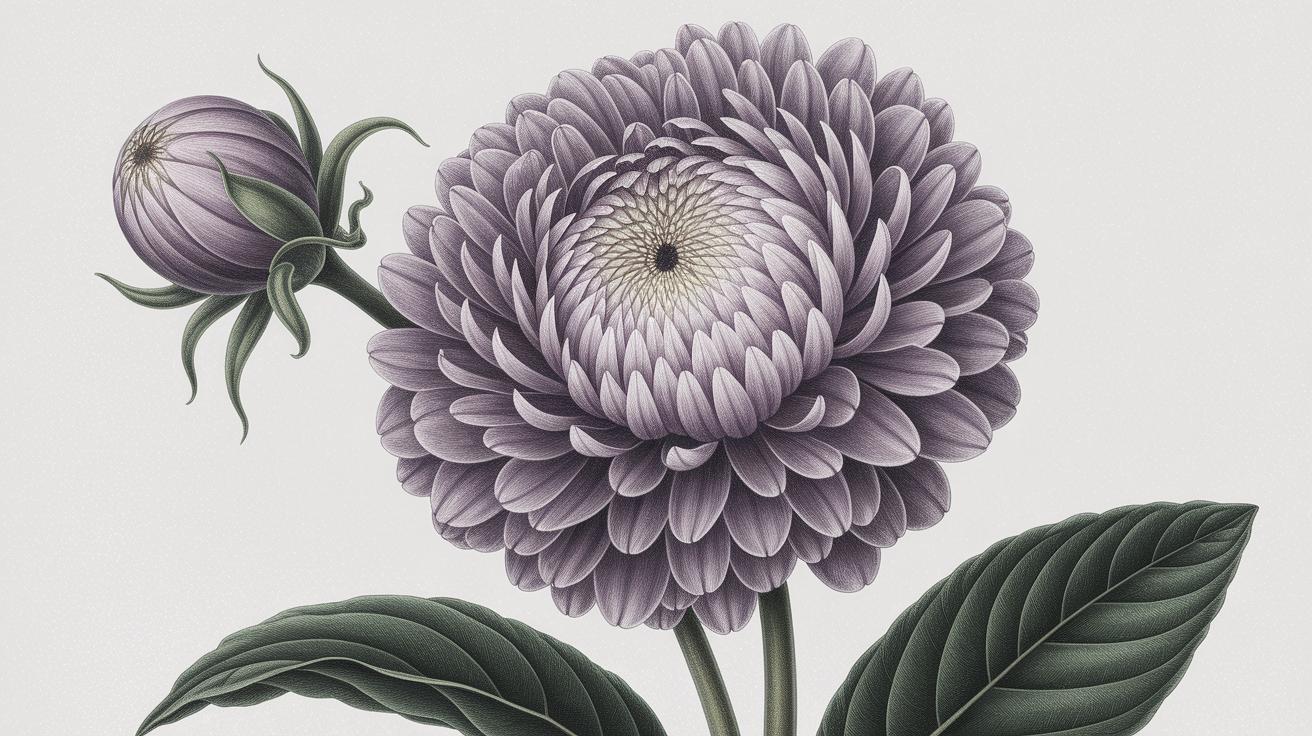
Master the art of realistic flower drawing with proven techniques used by professional botanical artists. This comprehensive guide reveals advanced methods for capturing nature’s intricate beauty with stunning precision.
Essential Foundations for Realistic Flower Drawing
Realistic flower drawing requires mastering fundamental principles that separate amateur sketches from professional botanical illustrations. Understanding light behavior, petal anatomy, and color theory forms the cornerstone of convincing floral realism.
Professional botanical artists spend years developing their observational skills and technical precision. The most successful realistic flower drawings demonstrate accurate proportions, subtle color transitions, and convincing three-dimensional form that makes viewers believe they could reach out and touch the petals.
Understanding Floral Anatomy for Accurate Representation
Each flower species possesses unique structural characteristics that must be understood before attempting realistic representation. Petal thickness, surface texture, and growth patterns vary dramatically between roses, lilies, and daisies, requiring specific drawing approaches for each variety.
Study the botanical structure of your chosen flower species, including sepals, stamens, pistils, and petal arrangement patterns. This scientific understanding translates directly into more convincing artistic representation and helps avoid common anatomical errors that immediately identify amateur work.
Advanced Light and Shadow Techniques
Light manipulation separates good flower drawings from exceptional ones. Professional botanical illustrators understand how different lighting conditions affect petal translucency, cast shadows, and reflected light patterns that create convincing three-dimensional form.
Practice observing flowers under various lighting conditions throughout the day. Morning light creates different shadow patterns than afternoon or evening illumination, and understanding these variations allows artists to choose the most flattering lighting scenario for their composition.
Mastering Petal Translucency Effects
Many flower petals exhibit translucent properties that allow light to pass through, creating luminous effects that challenge even experienced artists. Backlighting techniques reveal petal veining and create ethereal glowing effects that add magical quality to realistic drawings.
Use graduated pencil pressure and strategic erasing to simulate light passing through thin petals. Layer transparent colors when working with colored pencils or watercolors to achieve convincing translucency effects that make petals appear genuinely delicate and light-filled.
Painting of the Week: “Light and Lace”
This week’s featured painting, “Light and Lace,” epitomizes the elegance of realism in floral art. The artwork captures the intricate dance between light and texture as it falls upon the petals, reminiscent of delicate lace patterns that demonstrate masterful technical execution.
“Light and Lace” invites viewers to appreciate the minute details that separate professional work from amateur attempts. The artist captures individual petal veins, subtle color transitions, and sophisticated light-shadow interplay that creates convincing three-dimensional form and surface texture.
Technical Analysis of Professional Techniques
The composition reveals deep understanding of visual balance and harmonic proportion principles used by master botanical illustrators. Strategic highlight placement and shadow gradation create depth that makes flowers appear tangible and ready to lift from the paper surface.
Notice how the artist employs atmospheric perspective to create spatial depth, with foreground petals showing sharp detail while background elements display softer focus. This technique mimics natural vision and creates more convincing realistic representation.
Professional Color Theory for Botanical Art
Color accuracy in realistic flower drawing requires understanding how natural pigments behave under different lighting conditions. Professional botanical artists study color temperature, saturation levels, and complementary color relationships to achieve convincing natural appearance.
Develop a systematic approach to color mixing that allows consistent results across multiple drawing sessions. Document successful color combinations and mixing ratios for future reference, building a personal palette library for different flower varieties.
Advanced Color Mixing Techniques
Natural flower colors rarely match single pigments straight from tubes or pencil sets. Optical color mixing through layering and blending techniques creates more convincing natural hues than flat, unmixed colors that appear artificial and lifeless.
Practice creating color temperature variations within single petals to simulate natural color fluctuations caused by thickness variations, surface texture, and lighting angle changes. These subtle variations add convincing realism that elevates amateur work to professional standards.
In the Off-Chance You Didn’t Know About These Art Scam Emails
The art community faces increasing threats from sophisticated email scams targeting both emerging and established artists. These fraudulent communications often promise exhibitions, purchases, or collaboration opportunities while seeking personal information or upfront payments.
Common scam tactics include overly flattering reviews, unsolicited purchase requests, or institutions requesting personal information or payment before services. Artists should verify any unsolicited offers by researching senders through official channels and consulting established art community forums for verification.
Protecting Your Artistic Career
A resurgence in art-related fraud has seen numerous artists reporting similar deceptive tactics across social media platforms and email communications. These scams often masquerade as inquiries from legitimate galleries or interested collectors seeking to exploit artist enthusiasm.
Establish verification protocols for all professional communications, including checking official gallery websites, requesting phone conversations, and never providing personal financial information without confirmed legitimacy. Use trusted artist networks for support and advice when evaluating suspicious communications.
10-Minute Thumbnail Sketch Challenge: Birds
The 10-minute thumbnail sketch challenge develops crucial observational skills and rapid capture abilities essential for realistic drawing success. Focusing on birds introduces dynamic elements and varied textures that translate directly to improved flower drawing capabilities.
Birds offer artists opportunities to practice capturing movement, texture variation, and proportional accuracy under time pressure. These constraints force focus on essential shapes and value relationships, building foundational skills crucial for realistic artwork creation.
Expanding Quick Sketch Techniques
Continuing with rapid sketch exercises beyond birds to incorporate various natural subjects provides holistic perspective development on realistic representation. These condensed timeframe exercises allow experimentation without commitment to lengthy finished pieces.
Regular practice with timed sketching improves artistic agility and develops keen observation skills essential for realistic depictions. As artists complete more challenges, they begin recognizing patterns and themes suitable for expansion into detailed, full-scale compositions.
A Floral Spotlight: Each Iris Has Its Own Personality
Iris flowers present unique challenges with their complex petal structures, varied color patterns, and distinctive growth characteristics. Each iris variety displays individual personality traits that require specific artistic approaches for convincing realistic representation.
Understanding specific iris anatomy, including petal twist patterns, beard textures, and color distribution variations, increases realism in botanical artwork. Artists who master iris depiction often find these skills transfer effectively to other complex flower varieties.
Capturing Iris Complexity
The intricate petal architecture of irises demands careful observation of how individual petals interact with surrounding elements and respond to lighting conditions. Falls, standards, and beards each require different rendering techniques for convincing representation.
Practice studying iris color patterns including veining, color gradations, and surface texture variations that make each bloom unique. These observational skills develop the attention to detail necessary for professional-quality botanical illustration.
Starting a Painting with Design and Values
Compositional design and value planning form the foundation of successful realistic flower paintings. Professional artists establish clear value hierarchies and thoughtful element arrangements before adding color or fine details to ensure cohesive, striking final results.
A strong grasp of value relationships creates convincing depth and dimensionality essential for realistic representation. Establishing clear light, medium, and dark value patterns early in the composition process prevents common problems that plague amateur botanical artwork.
Professional Planning Techniques
Thumbnail studies and value sketches allow experimentation with different compositional approaches before committing to final artwork. Professional botanical illustrators often create multiple preliminary studies to explore lighting scenarios and arrangement possibilities.
Develop systematic approaches to composition planning that include focal point establishment, visual flow creation, and balance achievement. These foundational skills separate professional botanical illustration from amateur flower drawing attempts.
Advanced Texture Rendering Techniques
Surface texture accuracy distinguishes professional botanical illustration from amateur flower drawings. Different flower varieties exhibit unique surface characteristics requiring specific rendering approaches for convincing realistic representation.
Master techniques for depicting smooth petals, fuzzy surfaces, waxy textures, and papery characteristics found across different flower species. Each texture type requires different pencil pressure, stroke direction, and blending approaches for convincing results.
Specialized Texture Tools and Techniques
Professional botanical artists employ various specialized tools including different pencil grades, blending stumps, kneaded erasers, and texture-creating implements. Understanding when and how to use each tool maximizes realistic texture achievement.
Practice creating texture libraries through focused studies of different surface types found in botanical subjects. These reference materials become invaluable resources for future realistic drawing projects and skill development.
Digital vs Traditional Realistic Flower Drawing
Modern digital art tools offer new possibilities for realistic flower drawing while traditional media maintains unique advantages for botanical illustration. Understanding both approaches allows artists to choose optimal methods for specific projects and artistic goals.
Digital advantages include unlimited color palettes, easy corrections, and layer-based working methods that facilitate complex compositions. Traditional media offers tactile feedback, natural texture creation, and archival permanence valued by collectors and institutions.
Hybrid Approaches for Maximum Impact
Many contemporary botanical artists combine traditional and digital techniques to maximize both approaches’ advantages. Initial sketches and studies often begin traditionally before digital refinement and color application for final presentation.
Experiment with mixed media approaches that leverage traditional drawing foundations with digital enhancement capabilities. This flexibility allows adaptation to different project requirements and client preferences while maintaining artistic integrity.
Common Mistakes in Realistic Flower Drawing
Proportional errors represent the most frequent problem in amateur flower drawings, often resulting from inadequate initial observation and measurement. Professional botanical artists spend significant time establishing accurate proportional relationships before adding details.
Color oversaturation and contrast exaggeration frequently plague beginning realistic flower artists who attempt to make their work more dramatic. Natural flowers often display subtle color relationships that require restraint and careful observation to represent convincingly.
Professional Quality Control Methods
Develop systematic checking procedures throughout the drawing process to identify and correct common errors before they become embedded in finished artwork. Regular progress evaluation prevents time-consuming corrections later in the artistic process.
Use reference comparison techniques including photograph overlays, proportion checking, and color matching to ensure accuracy throughout the drawing process. These quality control methods separate professional botanical illustration from amateur flower drawing attempts.
Building a Professional Botanical Art Portfolio
Portfolio development for realistic flower drawing requires strategic selection of pieces that demonstrate technical skill range, artistic vision, and professional presentation standards. Quality consistently outweighs quantity in professional botanical art portfolios.
Include diverse flower varieties, composition styles, and technical approaches to demonstrate versatility and comprehensive skill development. Professional portfolios typically feature 15-20 exceptional pieces rather than larger collections of inconsistent quality.
Professional Presentation Standards
Documentation quality significantly impacts portfolio effectiveness, requiring professional photography, consistent formatting, and detailed artwork information. Poor presentation undermines even exceptional artistic skill and technical achievement.
Invest in professional documentation including high-resolution photography, color-accurate reproduction, and archival presentation materials. These presentation elements communicate professionalism and respect for the artistic medium.
Final Thoughts
| Topic | Summary |
|---|---|
| Painting of the Week: “Light and Lace” | An exploration of the intricate play of light and detail in a floral painting, emphasizing realism through composition and palette. |
| Art Scam Emails | A discussion on prevalent scams targeting artists, offering guidelines to avoid falling victim to fraudulent schemes. |
| 10-Minute Thumbnail Sketch Challenge: Birds | An exercise to enhance observation and depiction skills through quick sketches of birds, emphasizing form and movement. |
| A Floral Spotlight: Each Iris Has Its Own Personality | Examines the complexity of painting irises, focusing on their unique characteristics to achieve lifelike renditions. |
| Starting a Painting with Design and Values | Highlights the importance of compositional design and value hierarchy in the initial stages of creating a realistic painting. |
| Advanced Techniques | Professional methods for texture rendering, color theory application, and technical skill development for botanical illustration mastery. |
| Portfolio Development | Strategic approaches to building professional botanical art portfolios with proper documentation and presentation standards. |