
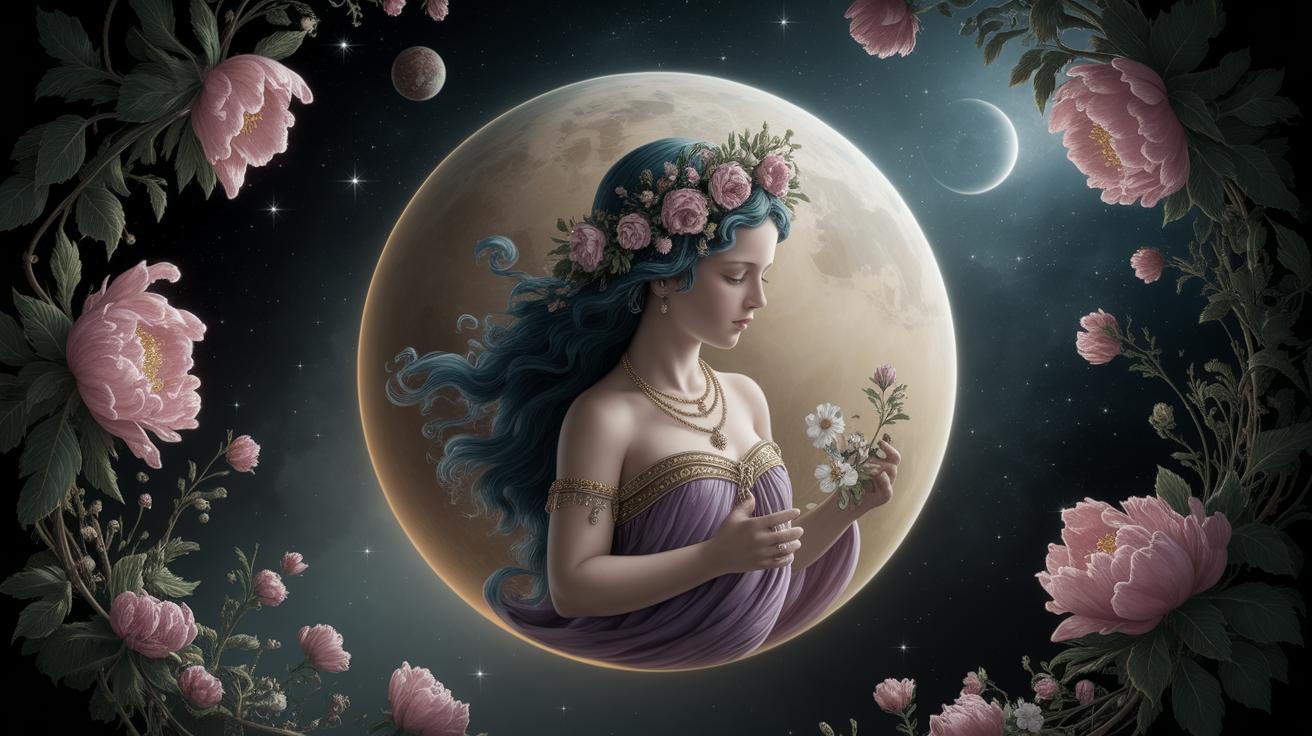
Modern Birth of Venus: An Artistic Exploration
Contemporary digital art transforms classical masterpieces through innovative techniques, bridging Renaissance traditions with cutting-edge technology for modern artistic expression.
The Renaissance Meets Digital Innovation
Botticelli’s iconic Birth of Venus continues to inspire contemporary artists who reimagine classical mythology through digital mediums. Modern interpretations incorporate advanced rendering techniques, photorealistic textures, and dynamic lighting systems that were impossible in the 15th century. Digital artists now utilize AI-assisted tools, 3D modeling software, and virtual reality platforms to create immersive experiences that honor the original while pushing artistic boundaries.
The transformation from traditional oil painting to digital creation represents more than technological advancement—it reflects evolving cultural perspectives on beauty, femininity, and divine representation. Contemporary versions often feature diverse interpretations of Venus, incorporating multicultural elements and modern symbolism that resonate with today’s global audience.
What Is Digital Painting?
Digital painting represents a cardinal shift in the art world, offering artists the tools to create vivid works with unparalleled versatility. Unlike traditional media, digital painting occurs in a virtual environment where the canvas, brushes, and colors are pixels that enable nearly infinite retries and modifications. With platforms like Adobe Photoshop, Corel Painter, Procreate, and emerging AI-powered tools like Midjourney and Stable Diffusion, artists have access to a wide range of brushes and digital tools that mimic traditional painting techniques while allowing for unique effects achievable only in a digital format.
The surge in digital painting’s popularity is fueled by its accessibility and its alignment with contemporary technological trends. It provides the opportunity for artists to reach wider audiences through digital portfolios, NFT marketplaces, and social media platforms like Instagram and TikTok, transforming how art is shared and consumed. Digital painting also reduces material costs and space constraints, making it a welcoming medium for those transitioning from, or experimenting alongside, traditional techniques.
Advanced Digital Techniques for Classical Reimagining
Modern digital artists employ sophisticated layering techniques, custom brush creation, and procedural texturing to achieve museum-quality results. Photobashing combines photographic elements with painted components, while matte painting techniques create expansive backgrounds that rival traditional landscape masters. Color grading and post-processing workflows ensure consistent lighting and atmospheric perspective throughout the composition.
Professional digital artists utilize graphics tablets with pressure sensitivity, tilt recognition, and haptic feedback to maintain the tactile connection essential to traditional painting. High-resolution displays with accurate color reproduction ensure that digital works translate effectively to print media and gallery exhibitions.
The Benefits of Value Studies: Mastering Notan
Value studies are fundamental exercises in understanding the importance of lights and darks in a composition, often underappreciated by aspiring artists. Through mastering Notan—a Japanese concept focusing on the harmony between light and dark—artists can gain better control over their compositions. This black-and-white design principle emphasizes a balance that brings cohesion and clarity to an artwork, often serving as the underlying structure even in color-intensive pieces like modern Venus interpretations.
Embracing value studies pushes artists to move beyond surface details, to dissect and reconstruct the tonal elements that contribute to an artwork’s overall impact. This practice fosters a keen eye for contrast, enabling the creation of dynamic, visually arresting compositions that capture the viewer’s attention. For digital artists, the layers and undo options available offer an ideal environment to experiment and learn from these studies without material waste.
Color Theory in Modern Venus Interpretations
Contemporary artists reimagining Venus often experiment with non-traditional color palettes that challenge classical conventions. Complementary color schemes create visual tension, while analogous harmonies maintain the serene beauty associated with the goddess. Digital tools enable precise color temperature control and gradient mapping that would require extensive mixing in traditional media.
Advanced color theory applications include split-complementary schemes, triadic arrangements, and monochromatic variations that maintain visual interest while preserving compositional unity. Color psychology plays a crucial role in modern interpretations, with artists selecting palettes that evoke specific emotional responses from contemporary viewers.
How to Win Art Competitions
Art competitions are a fantastic way to gain exposure, experience, and critical feedback, but they can also be daunting. To increase the odds of success, artists should start by thoroughly understanding the competition’s theme, rules, and judging criteria. A clear grasp of these elements allows for a strategic and impactful entrance tailored to the judges’ expectations. Furthermore, reviewing past winners and analyzing current art market trends can provide insights into the kind of artistry and innovation that resonates with contemporary juries.
Creating work that stands out in terms of technique, concept, and execution is key. Artists should focus on showcasing their unique voice and perspective, seeking a balance between adhering to the theme and expressing personal creativity. Effective storytelling through art, coupled with technical proficiency and cultural relevance, often sways judges who are looking for pieces that not only meet but exceed expectations in today’s competitive landscape.
Building Your Digital Art Portfolio
A professional digital art portfolio requires strategic curation that demonstrates technical versatility and artistic vision. High-resolution images with consistent presentation standards ensure optimal viewing across devices and platforms. Artists should include process documentation, sketches, and work-in-progress shots that reveal their creative methodology and problem-solving abilities.
Online portfolio platforms like ArtStation, Behance, and personal websites with SEO optimization help artists reach collectors, galleries, and commercial clients. Social media presence on Instagram, Twitter, and emerging platforms provides ongoing engagement opportunities and builds authentic connections with art communities worldwide.
My Still Life Painting “Roses and Copper” In 5 Steps
The journey of creating “Roses and Copper,” a still life painting, begins with selecting a compelling composition and establishing proper lighting conditions. Arranging the roses against a backdrop of copper elements, the scene is first sketched out in a digital canvas using construction lines and basic shapes, focusing on capturing the intricate interplay between organic and metallic textures. The second step involves laying down basic colors using flat washes, guided by initial value studies to preserve the painting’s light and shadow dynamics.
The third step centers around building layers systematically, where digital brushes with varying opacity and flow settings are employed to add depth and detail gradually. At the fourth stage, attention shifts to refining the elements, utilizing the digital medium’s zoom capabilities and layer functionalities for precise adjustments to edges, highlights, and reflected light. The final step is the comprehensive polishing phase, adjusting global contrasts, color temperature, and selective highlights to ensure a cohesive and striking finish that rivals traditional oil painting techniques.
Professional Digital Art Workflows
Established digital artists follow systematic workflows that maximize efficiency and maintain consistent quality standards. Pre-production planning includes thumbnail sketches, reference gathering, and compositional studies before beginning the final artwork. Project organization with proper file naming conventions and backup systems prevents data loss and enables collaborative workflows.
Professional artists utilize non-destructive editing techniques, adjustment layers, and smart objects that preserve original artwork integrity throughout the creative process. Regular saving intervals and version control systems ensure that experimental approaches don’t compromise completed work sections.
Painting of the Week: “Contemplating”
This week’s featured painting, “Contemplating,” captures the essence of introspection through its evocative use of color harmony and sophisticated compositional structure. The piece is a meditation on solitude and the strength found in moments of stillness, incorporating contemporary psychological insights about mindfulness and self-reflection. The artist employs a nuanced color palette that shifts between cool and warm tones, creating an atmosphere of thoughtful ambiguity that invites prolonged viewing and personal interpretation.
“Contemplating” showcases the artist’s mastery of digital tools, where advanced blending techniques and custom texture applications evoke a tangible depth reminiscent of traditional painting methods while incorporating modern digital aesthetics. The success of the artwork lies in its capacity to connect with the audience on an emotional plane, reminding us of the timeless and universal nature of solitude and reflection in our increasingly connected digital age.
The Future of Digital Renaissance Art
Emerging technologies including artificial intelligence, virtual reality, and augmented reality are revolutionizing how classical artworks are reimagined and experienced. AI-assisted creation tools enable artists to explore compositional variations and color experiments at unprecedented speeds, while maintaining human creative control and artistic vision.
Virtual and augmented reality platforms allow viewers to step inside reimagined classical scenes, experiencing Venus’s birth from multiple perspectives and interactive viewpoints. These immersive technologies create new opportunities for art education, museum exhibitions, and collector engagement that extend far beyond traditional gallery presentations.
Future Prospects
As art continues to evolve with technology, a bright future lies ahead for both digital painting and artists engaging with new methodologies and emerging platforms. Mastering core concepts like value studies, color theory, and participating in competitive environments will aid artists in honing their skills and distinguish their unique perspectives in the increasingly crowded digital art marketplace. With the accessibility of digital tools, cloud-based collaboration platforms, and global online communities, creating and experimenting has never been more convenient, offering endless possibilities for those willing to embrace change and innovation.
The integration of blockchain technology, NFT marketplaces, and decentralized art platforms provides new revenue streams and ownership models that empower artists to maintain greater control over their creative works and financial success.
Below is a summary table of the content covered:
| Section | Content Summary | Key Techniques |
|---|---|---|
| What Is Digital Painting? | Explores digital painting’s role and tools transforming traditional art. | Layer management, brush dynamics, color theory |
| The Benefits of Value Studies: Mastering Notan | Discusses the importance of value studies and achieving balance using Notan. | Tonal composition, contrast control, visual hierarchy |
| How to Win Art Competitions | Provides strategies for successful participation in art competitions. | Portfolio curation, market analysis, presentation skills |
| My Still Life Painting “Roses and Copper” In 5 Steps | Describes a structured process for creating a still life digital painting. | Compositional planning, systematic layering, refinement |
| Painting of the Week: “Contemplating” | Presents an analysis of a featured painting that underscores the emotional depth of digital art. | Color psychology, texture application, emotional resonance |