
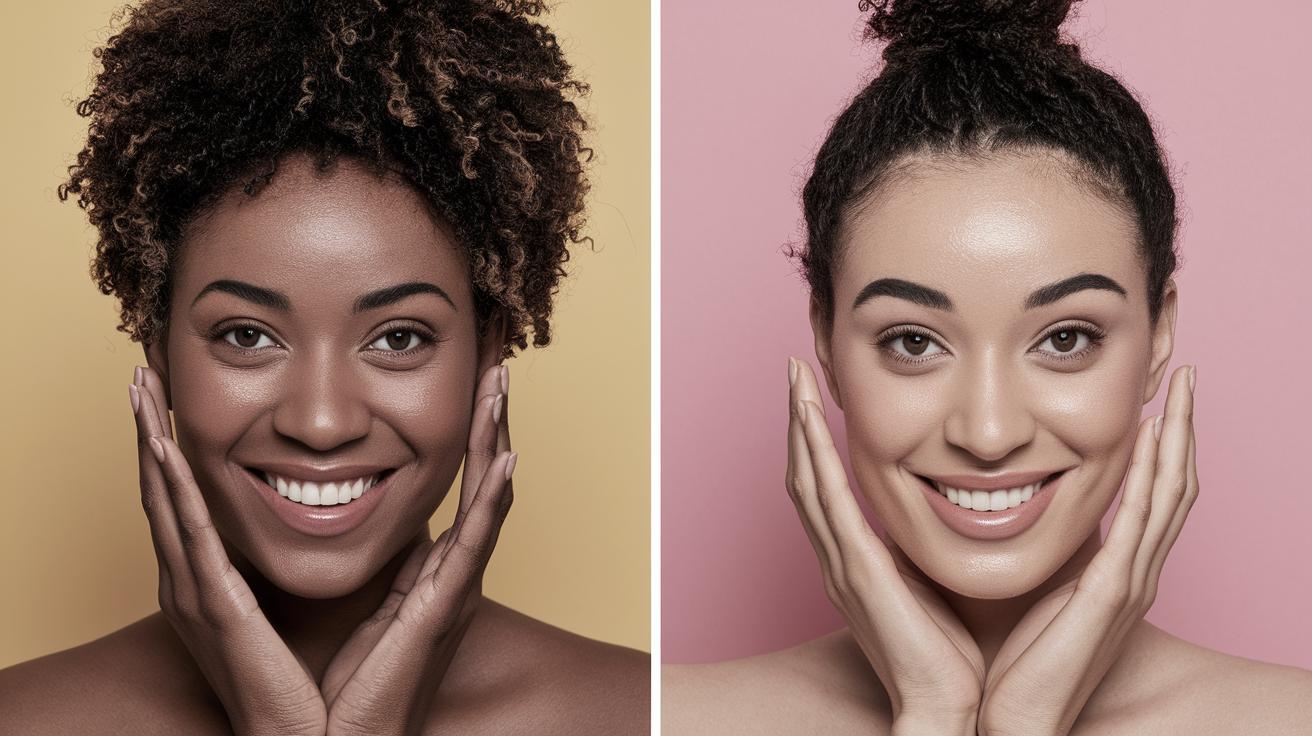
Understanding Skin Tone vs Skin Color: A Comprehensive Guide for Perfecting Your Look
In the quest for flawless makeup application and wardrobe choices that amplify natural beauty, the distinction between skin tone and skin color is crucial. While skin color refers to the surface shade of your complexion, skin tone—and more specifically, undertone—delves deeper into the subtle hues that influence how colors of clothing, hair dyes, and makeup products appear on you. This guide will explore the various undertones, teach you to identify your own, and provide actionable advice for selecting foundation and building a color palette that compliments you perfectly. By understanding whether you have cool, warm, neutral, or olive undertones, you can make informed decisions that enhance your natural appeal.
What are the different undertones?
Your undertone is the color just beneath the surface of your skin. It’s usually classified into three types: cool, warm, and neutral. Cool tones are marked by hints of pink, red, or blue hues. Warm undertones feature golden, yellow, or peachy shades, and neutral undertones lie somewhere between warm and cool, blending the subtle tones.
Some people have olive undertones, which are a combination of neutral and a slight greenish hue. Understanding your undertone is key to making color choices that harmonize with your natural complexion, whether it’s picking the right shade of foundation or the ideal color for a blouse. By identifying your undertone, you can ensure that your makeup and wardrobe complement your skin, rather than clashing with it.
How can I tell which one I am?
Check out your veins
One of the simplest ways to determine your undertone is by examining the veins on the inside of your wrist. If your veins appear blue or purple, you likely have cool undertones. Greenish veins, on the other hand, suggest warm undertones. Trouble seeing either clearly could mean you have neutral undertones.
This vein test is a quick, reliable method to steer you in the right direction when it comes to selecting the colors that will enhance your natural beauty. It’s an easy first step to understanding your undertone and applying that knowledge to your overall look.
Assess your jewelry
Preferences in jewelry can sometimes reflect your undertone. If you find yourself reaching for silver jewelry more often, you may have cool undertones. If gold jewelry seems more complementary, you likely have warm undertones. Those who can wear both with equal ease often have neutral undertones.
Jewelry doesn’t just enhance your outfit; it can also serve as a key indicator of your natural undertones. Next time you’re selecting accessories, take note of which metals make you feel radiant, as this can uncover valuable insights into your skin tone.
Throw on something neutral
Wearing neutral colors like white, off-white, gray, or brown can reveal your undertone. If true white and black look stunning, you might have cool undertones. If off-white and brown enhance your complexion, warm undertones may be at play. Wearing grays that make you glow suggests neutral undertones.
This method helps you discern which shades enhance your skin’s natural sheen, enabling more informed choices when it comes to clothing and makeup. Paying attention to how different shades affect your appearance can lead you to the right palette that flatters your undertone.
Think about your eye and hair color
Eye and hair color can also provide clues to your undertone. Cool undertones are often paired with blue, gray, or green eyes and blonde, black, or ash brown hair with no red undertones. Warm undertones commonly have brown, hazel, or amber eyes, and hair with red, bronze, or golden hues.
While these are general guidelines, considering your natural coloring is invaluable for understanding how certain undertones blend with your overall look. This knowledge can inspire color choices that accentuate your features beautifully.
Look for ashen or gray tones
If your skin often seems gray or ashen, especially during the winter months, you might have olive undertones. Olive is unique because it can contribute to a slightly muted, neutral appearance in certain lightings.
Recognizing olive undertones helps in making distinctions in your color palette that might otherwise be overlooked. These tones can offer specific considerations for both makeup and clothing choices, ensuring a seamless harmony in your presentation.
What this means for your foundation
Cool undertone
For those with cool undertones, selecting foundation shades with a slight pink or red-based hue is often the most flattering. Brands usually label such foundations with words like “cool,” “rosy,” or “pink” within their product descriptions.
This nuanced approach to foundation selection ensures that your base perfectly integrates with your skin, providing a natural and even complexion that enhances your underlying cool tones without appearing overly stark or washed out.
Warm undertone
Warm undertones benefit greatly from foundation shades with a yellow or golden base. Look for product terms like “warm,” “golden,” or “peach,” in the shade descriptions to find your perfect match.
This helps your makeup blend seamlessly into your natural skin tone, creating a vibrant, sun-kissed effect that accentuates your inherent warmth and radiance.
Neutral undertone
Neutral undertones offer a versatile foundation selection and often match with shades marked as “neutral.” These are balanced, blending the best elements of both warm and cool foundations.
With this flexibility, you can easily adapt your foundation choices to reflect your individual style preferences while maintaining a consistently flawless base.
Olive undertone
Olive undertones require foundations that cater to their unique hue, often with a neutral or slightly green undertone to avoid ashy or mismatched appearances. Products explicitly labeled for olive skin can be ideal.
A tailored approach ensures that your foundation complements your skin’s unique characteristics, bringing out the nuances of your undertone for a cohesive, natural effect.
What this means for your overall color palette
Cool undertone
Cool undertones shine in color palettes featuring jewel tones and pastels. Think of rich blues, emeralds, lavender, and icy shades. These colors enhance your skin by creating a stunning contrast against the coolness of your undertone.
Using a cool tone palette ensures your natural beauty shines through, and your wardrobe choices make you radiate confidence and elegance effortlessly.
Warm undertone
Warm undertones thrive with earthy tones like terracottas, rich greens, golden yellows, and peachy hues. These colors echo the warmth in your skin, creating a harmonious connection.
Choosing such a palette elevates your appearance, highlighting your inner glow with colors that feel authentically you, perfect for any season or occasion.
Neutral undertone
Neutral undertones have the luxury of experimenting with a vast array of colors, from soft, muted tones to vivid, rich shades. This flexibility allows for a dynamic and varied wardrobe and makeup choices.
A versatile palette enables you to adapt to different moods and styles, capturing the essence of each moment while ensuring a perfect blend with your undertone.
Olive undertone
Those with olive undertones benefit from colors that avoid excessive yellow tones, opting instead for plum, deep berry, and warm reds. Cool coffee browns and earthy shades complement olive skin beautifully.
This precise approach to color selection keeps your look balanced and prevents overwhelming your natural undertone, maintaining a graceful aesthetic that enhances your unique bounty of tones.
Next steps
| Aspect | Cool Undertone | Warm Undertone | Neutral Undertone | Olive Undertone |
|---|---|---|---|---|
| Foundation | Pink/red base | Yellow/golden base | Neutral balance | Neutral/green base |
| Color Palette | Jewel tones, pastels | Earth tones, peachy | Flexible, varied | Plum, deep berry |
| Jewelry Preference | Silver | Gold | Both | Varies |