
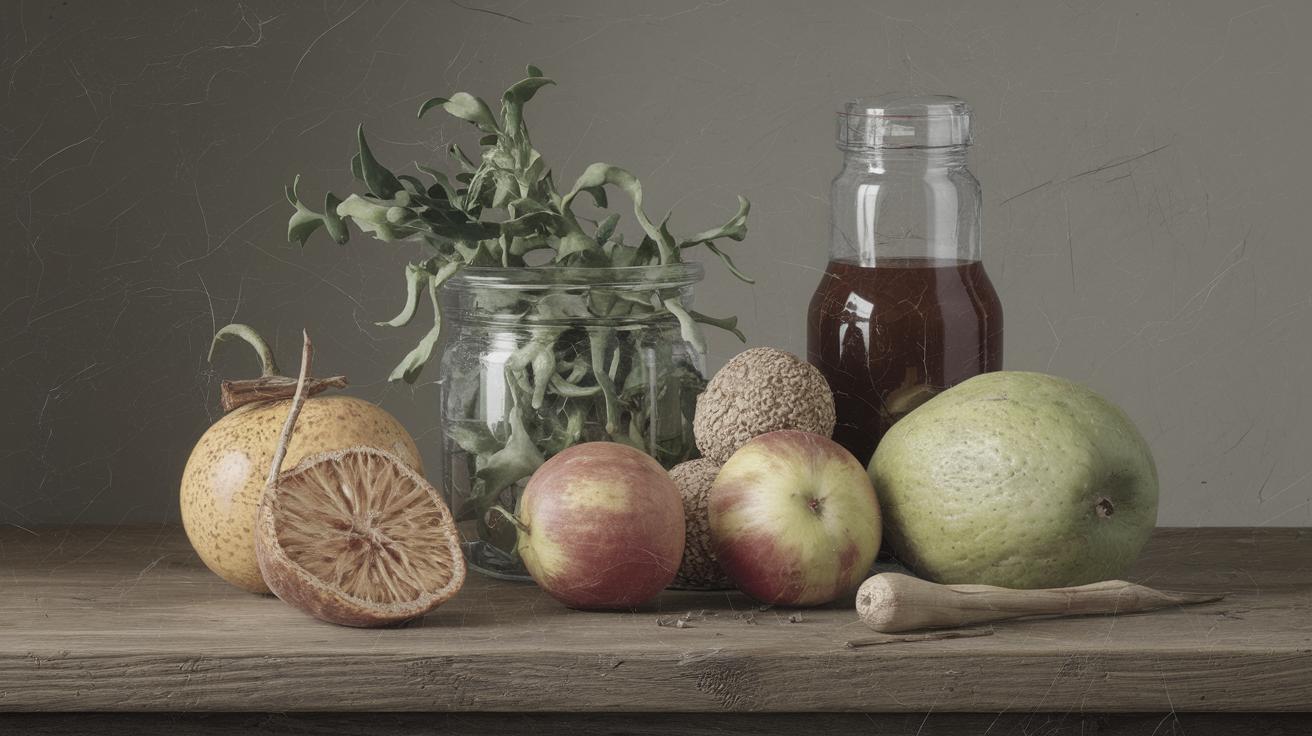
Exploring the Art of Still Life Hyper Realistic Drawings
In the realm of art, still life hyper realistic drawings stand as a testament to meticulous detail,
capturing the mundane in extraordinary clarity. This blog dives into the intricate world of these
drawings, focusing on renowned artists and techniques that elevate simple objects to awe-inspiring
subjects. From the watercolor masterpieces of Laurin McCracken to the expressive challenge of quick
sketches, we explore how artists draw viewers into a closer appreciation of the everyday. As we examine
floral motifs and the nuances of starting with design and values, we also delve into the subtle art
of indication versus illustration. Each section is packed with insights and inspiration for artists
and art lovers alike.
Thoughts On Painting
Painting, especially still life, serves as a bridge between reality and creativity. The still life artist
is faced with the unique challenge of breathing life into inanimate objects, bringing to light the beauty
in objects we often overlook. Throughout history, artists have used still life to evoke emotions, comment
on society, and showcase their technical prowess.
Today, hyper realistic drawings push these boundaries further. They demand a deep understanding of light,
shadows, and textures, and force the artist to observe their subjects with an almost scientific scrutiny.
The magic of still life lies in its ability to transform the ordinary into the extraordinary, prompting both
artists and viewers to pause and appreciate the finer details of their surroundings.
Watercolor Still Life Paintings by Laurin McCracken
Laurin McCracken is a master of capturing the essence of still life through watercolors. His works feature
an incredible level of detail, utilizing light and shadow to create strikingly realistic images. McCracken’s
expertise lies in the precision of his brushwork and the architectural planning of his compositions, which he
approaches with a methodical and disciplined dedication.
McCracken’s paintings are not merely reproductions of objects; they are explorations of texture and form,
bringing an unparalleled depth to common still life subjects. From the reflective surfaces of glass and metal
to the softness of textiles, each element in his paintings is crafted to draw the observer into a deeper
exploration of the mundane objects depicted with such grace.
10-Minute Thumbnail Sketch Challenge: Birds
One popular exercise to hone the skills necessary for hyper realistic drawings is the 10-minute thumbnail
sketch challenge. This involves creating quick sketches of birds or other objects within a brief time limit,
pushing artists to capture the essence of their subjects quickly.
While not exclusively focused on still life, this challenge builds essential skills in observation and
translation of form to paper. By quickly interpreting a subject, artists develop a sharper eye for
detail, improving their ability to replicate life-like details in more complex works.
A Floral Spotlight: Each Iris Has Its Own Personality
Flowers, particularly irises, provide a vibrant subject for hyper realistic still life pieces. Each iris
possesses its own intricate patterns and delicate textures, offering a canvas rich with opportunities
for artistic expression.
The challenge lies in capturing their fleeting beauty and distinct character. Artists often use these
floral subjects to experiment with color, light, and shadow, portraying the silent elegance of nature
with a reverence that brings each bloom to life on the canvas.
Starting a Painting with Design and Values
The foundation of any successful hyper realistic drawing starts with a focus on design and values.
Before color comes into play, artists must consider the arrangement of their composition and the
interplay of light and shadow, which establish the mood and depth of the piece.
Understanding the design and values allows for a structured approach to capturing realism, helping artists
create a convincing sense of three-dimensionality. This preparation stage is crucial for achieving the
precision and subtlety that define hyper realistic art.
Indicate, Don’t Illustrate
One of the key tenets of creating compelling hyper realistic still life is the philosophy to “indicate,
don’t illustrate.” This principle involves suggesting texture and detail rather than painstakingly
illustrating each minute element.
This approach invites viewers to engage their own imagination, filling in the gaps with personal
interpretation. It’s a balance of control and suggestion, where the artist guides the observer’s eye
without leading them to a predetermined conclusion, thereby enhancing the engaging quality of the artwork.
Painting of the Week: “Old Copper and Fruit”
In “Old Copper and Fruit,” an exemplary piece by an adept artist, we see the combination of all the discussed
principles. The painting features a copper pot meticulously detailed alongside ripe fruit, drawing attention
to the contrasting textures of metal and organic matter.
The composition cleverly plays with light, utilizing the reflective properties of copper to enhance the realism
of the piece. This vibrant interplay creates a lively dynamic on the canvas, inviting viewers into a quiet
contemplation of everyday objects portrayed with breathtaking detail.
Summary of Main Points
| Section | Main Points |
|---|---|
| Thoughts On Painting | Explores the interplay of reality and creativity in still life paintings, highlighting the attention to detail and beauty in everyday objects. |
| Watercolor Still Life Paintings by Laurin McCracken | Examines the meticulous technique and depth in McCracken’s watercolor still lifes. |
| 10-Minute Thumbnail Sketch Challenge: Birds | Discusses the challenge as a skill-building exercise to enhance observation and quick interpretation capabilities. |
| A Floral Spotlight: Each Iris Has Its Own Personality | Focuses on the diversity and intricate beauty of irises as subjects in still life art. |
| Starting a Painting with Design and Values | Highlights the importance of composition and value in laying the foundation for hyper realism. |
| Indicate, Don’t Illustrate | Describes the technique of suggesting details to engage viewers’ imagination. |
| Painting of the Week: “Old Copper and Fruit” | Illustrates the cohesive application of realistic techniques in elevating simple subjects. |