
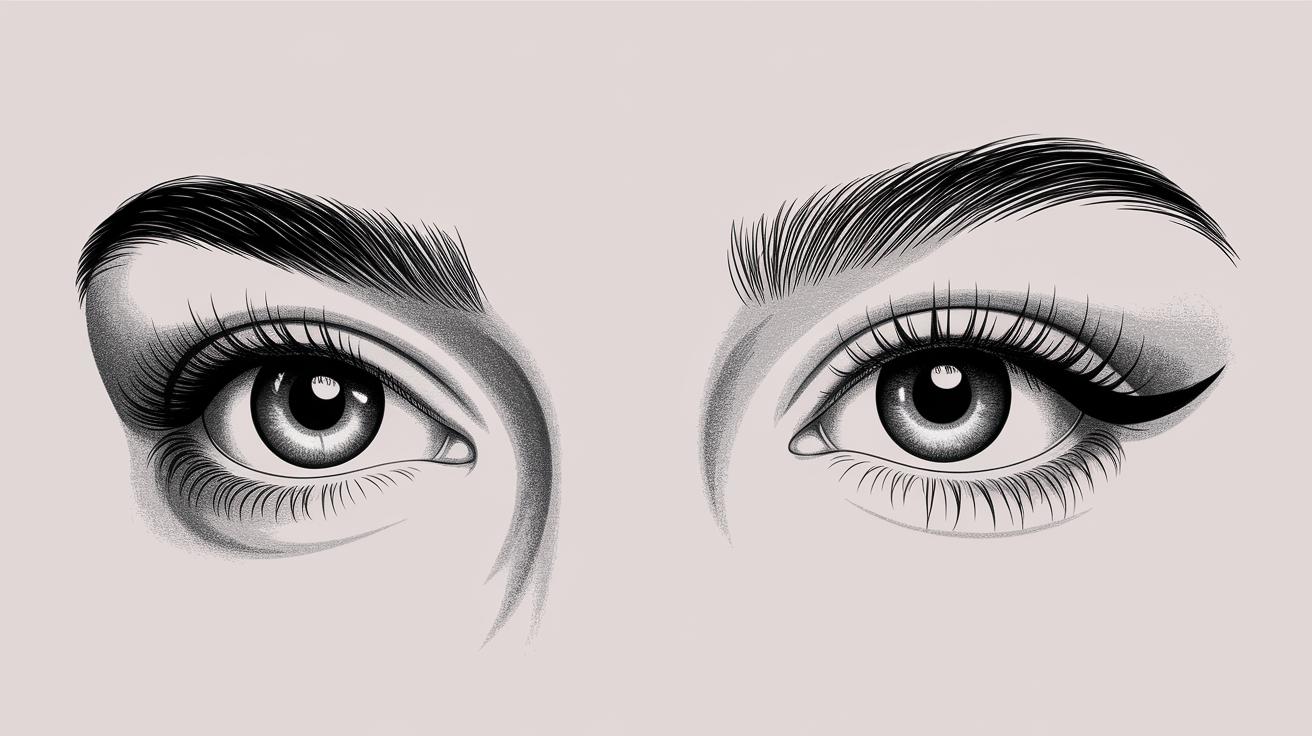
Exploring Art: The Captivating World of Eye Drawings
Welcome to an immersive exploration of art where the focus is drawn quite literally to the human eye, a subject of intrigue for artists throughout history. From intricate sketches to bold paintings, artists have found endless fascination in the eye’s complexity. This blog post delves into 60+ creations, each presenting a unique perspective on the eye. Whether through quick thumbnail sketches or detailed studies of irises, these pieces celebrate the diversity of artistic expression. Join us as we explore various techniques and inspirations, from capturing design and value in art to conveying emotion through subtlety. Finally, we’ll spotlight some standout pieces that exemplify the beauty and depth achievable in eye art, shedding light on the creative processes behind them.
60+ Drawings and Paintings That Depict Eyes
Throughout history, artists have shown a profound interest in illustrating the human eye. More than 60 artworks today capture this subject, each offering a unique interpretation. Artists explore the eye’s anatomical precision and emotive range, with each piece reflecting different techniques and styles. Some take a hyper-realistic approach, while others opt for abstract representations, showcasing the versatility of this subject matter.
Eye drawings serve not only as studies of anatomy but also as windows to the soul. They invite viewers to reflect, to see beyond the artwork, and into a broader contemplation of human emotion and experience. By exploring art from classical periods to contemporary creations, this collection highlights the timeless allure of the eye in art.
10-Minute Thumbnail Sketch Challenge: Birds
Incorporating quick sketch challenges into an artist’s routine fosters creativity and hones their ability to capture the essence of their subject swiftly. In our exploration of eye drawings, a 10-minute thumbnail sketch challenge focusing on birds adds a dynamic layer. This exercise encourages artists to recognize the unique features of avian eyes, differing vastly from human ones.
The contrast between human and bird eyes lies in structure, expression, and function. Through repetitive thumbnail sketches, artists can identify these differences and experiment with expressing vitality and movement in their art. Such challenges are crucial for enhancing observation skills and spontaneity in rendering art.
A Floral Spotlight: Each Iris Has Its Own Personality
Irises in paintings are much like fingerprints – each one distinct, displaying unique patterns and colors. When it comes to depicting the human eye, artists often draw parallels to floral imagery. The iris’s complexity and vibrancy lend themselves to striking visual art pieces. In eye drawings, capturing the intricate patterns and coloration of the iris can communicate subtle personality traits and emotions.
For artists, the task of painting an iris requires careful consideration of color blending and light reflection. Each stroke contributes to the overall impression of depth and realism. Artists employ different techniques to bring out these features, experimenting with different media such as pastels, watercolors, or oils to achieve desired effects.
Starting a Painting with Design and Values
Every masterpiece begins with a thoughtful arrangement of design and values. This principle is particularly relevant when drawing eyes. It’s important to envisage the final piece and plan its composition carefully, using elements such as contrast between light and dark areas to bring focus to the eye’s natural depth.
When starting a painting, artists often sketch a basic layout, mapping out where light will fall to achieve texture and definition. Establishing a balance between light and shadow enables artists to imbue their subject with life. This technique lays a foundation that guides subsequent layers and details in the painting process.
Indicate, Don’t Illustrate
Creating impactful art often lies in the power of suggestion rather than explicit depiction. This notion is echoed in the phrase “indicate, don’t illustrate.” In eye art, artists often employ minimalist techniques, opting to suggest form and emotion with as few strokes as possible. This approach allows viewers to engage more deeply, encouraging personal interpretation.
Suggestive art in eye drawing often captures the viewer’s attention through its apparent simplicity. By focusing on conveying emotion rather than fixed features, artists can create a more visceral connection with the audience. It’s a dance between control and freedom, where less becomes more, urging the observer to fill in the gaps.
Painting of the Week: “Old Copper and Fruit”
This week’s spotlight painting, “Old Copper and Fruit,” although not explicitly about eyes, is a masterful exploration of texture and reflection—a skill essential in rendering realistic eye drawings. The play of light across different surfaces in this painting provides insights into depicting reflective surfaces like the glimmer of a moist eye.
In this featured piece, artists can learn to appreciate how light interacts with varying textures, an invaluable lesson for highlighting the subtle gloss of an eye or capturing the transparency of the corneal surface. Examining such examples enriches an artist’s toolkit, offering fresh perspectives and techniques to incorporate into eye studies.
Future Prospects
| Topic | Key Points |
|---|---|
| 60+ Drawings and Paintings That Depict Eyes | Explores the range of techniques and styles, from realism to abstract; underscores the eye’s artistic and emotional depth. |
| 10-Minute Thumbnail Sketch Challenge: Birds | Encourages quick observation skills by focusing on avian eyes to heighten creativity and quick representation. |
| A Floral Spotlight: Each Iris Has Its Own Personality | Illustrates the uniqueness of each iris, using color and patterns to convey personality and emotion in eye art. |
| Starting a Painting with Design and Values | Highlights the importance of planning composition and light to create depth and focus in paintings. |
| Indicate, Don’t Illustrate | Focus on suggestion and minimalism to evoke emotion, allowing for personal interpretation in eye drawings. |
| Painting of the Week: “Old Copper and Fruit” | Exemplifies the use of texture and light in painting, providing insights applicable to realistic eye depiction. |