
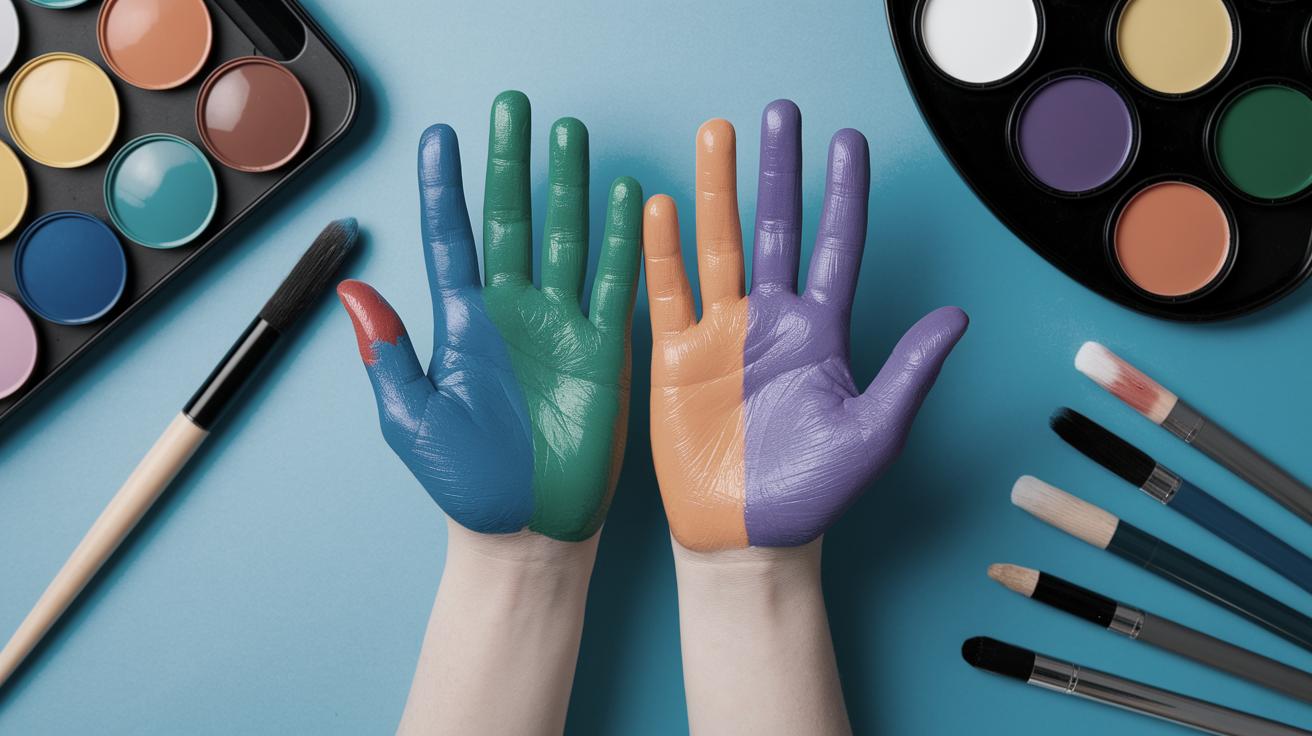
Mastering the Art of Painting Hands: Techniques and Insights
Discovering the nuances of painting hands can be both a challenging and rewarding journey for artists. This blog post explores various aspects of mastering this intricate aspect of art. You will learn from episodes of Art School Live, understand the essentials of digital painting, delve into value studies and mastering Notan, and gain insights on how to win art competitions. Additionally, explore a five-step guide for still life painting and a showcase of the painting of the week. These diverse sections aim to enrich your skill set, offering you practical tips and inspiration for your artistic pursuits.
How to Paint Hands: Watch this episode of Art School Live here >
Painting hands is an art form in itself, requiring keen observation and understanding of anatomical structure. In this enlightening episode of Art School Live, viewers are taken through the process of capturing the elegance and complexity of hands. This session provides invaluable tips and insights from professional artists who demonstrate the techniques used to evoke emotion and realism in hand renderings.
By watching experienced artists work through these steps, viewers gain a deeper appreciation for the elements of light, shadow, and form that make hands appear lifelike. Various techniques such as gesture drawing and contouring are highlighted to encourage dynamic results. For those eager to elevate their depiction skills, this episode serves as a vital resource for capturing the intricacies of hand movements and positions.
What Is Digital Painting?
Digital painting is an artistic phenomenon combining traditional painting techniques with modern digital tools. Utilizing software programs that mimic brush strokes and pen gradients, artists can achieve stunning works with the advantage of edits and versatility. This medium offers endless possibilities, from creating highly realistic illustrations to imaginative fantasy landscapes.
One of the critical advantages of digital painting is its ability to experiment without the fear of irreversible mistakes. Artists can explore various colors, textures, and compositions with ease, enhancing creativity and efficiency. It’s a platform that adapts to both beginner and professional artists, providing tools to refine skills while exploring innovative horizons of art.
The Benefits of Value Studies: Mastering Notan
Value studies are fundamental practices for artists seeking to understand the interaction between light and shadow. Notan, a Japanese concept that focuses on the interplay of dark and light, is an essential aspect of achieving balance and harmony in art. By conducting value studies, artists gain the ability to isolate and emphasize important visual elements within their work.
Mastering Notan involves simplifying scenes into images defined by contrasting tones rather than colors. This exercise enhances an artist’s ability to perceive depth and create impactful compositions. Notan studies can dramatically improve the overall feel of a piece by ensuring that elements like contrast and form work cohesively to draw the viewer’s eye effectively.
How to Win Art Competitions
Art competitions offer artists a platform to share their work with a broader audience and can be pivotal in advancing their creative careers. To secure wins, it’s important to meet criteria that judges value, such as originality, execution, and emotional resonance. Thoroughly understanding the competition’s theme and tailoring your entry to align with its objectives can significantly increase your chances.
Beyond technical skills, telling a compelling story through your artwork can set it apart from other entries. Ensuring a well-composed artist statement and a professional presentation also plays an essential role. Networking and learning from each competition experience will aid in refining your approach and growing as an artist.
My Still Life Painting “Roses and Copper” In 5 Steps
Creating the still life painting “Roses and Copper” involves a sequence of five focused steps, each contributing to the piece’s final vibrancy and texture. Starting with a rough thumbnail sketch, the initial composition is established, setting the stage for the elements to shine through.
As the process unfolds, artists shift attention to layering colors, building mid-tones, highlights, and shadows, thereby introducing a sense of depth and vitality to the arrangement. Each layer adds more dimension, encouraging an interplay of light and materials until the painting achieves a refined and realistic feel.
Painting of the Week: “Contemplating”
This week’s featured painting, “Contemplating,” captures serene introspection through masterful technique and composition. The artwork’s color palette subtly complements the contemplative theme, while the brushwork seamlessly guides the viewer through the painting’s emotional landscape.
The artist’s ability to evoke emotion through delicate details, such as the play of light on the subject, underscores the piece’s profound impact. Such works highlight the power of art to convey complex emotions and engage viewers, sparking conversations about the stories encapsulated within the canvas.
Next Steps
| Section | Summary |
|---|---|
| How to Paint Hands | Explore tips and techniques from experts to create realistic hand renderings. |
| What Is Digital Painting? | Understand the integration of traditional painting with digital tools for versatile art creation. |
| Benefits of Value Studies | Learn the importance of Notan in achieving balance through value studies. |
| Winning Art Competitions | Discover strategies for creating compelling entries that resonate with judges. |
| Still Life Painting | Follow a five-step guide to create a lifelike painting inspired by “Roses and Copper.” |
| Painting of the Week | Analyze “Contemplating,” an evocative artwork capturing emotion through composition. |