
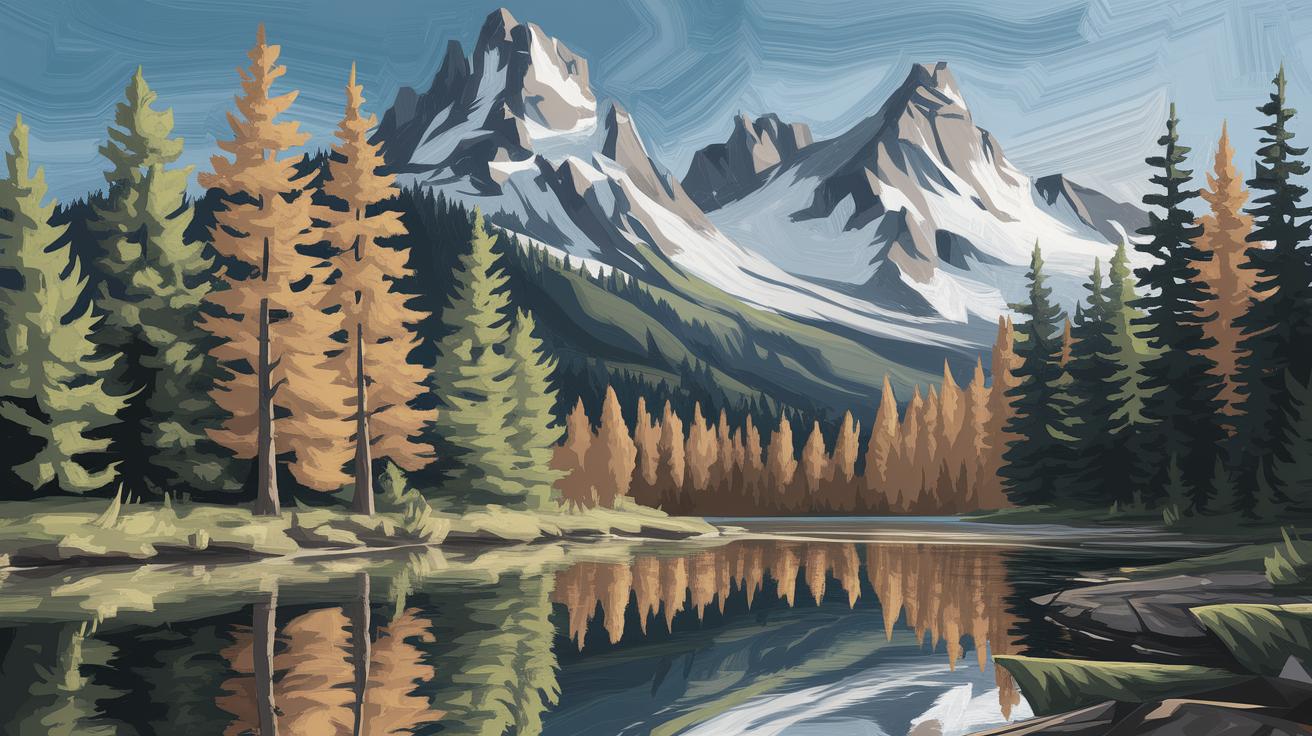
Exploring Digital Painting: A Journey Through Art and Technology
Digital painting represents a vibrant frontier in the art world, where the traditional meets the contemporary in a delightful fusion. This article delves into the essence of digital painting, exploring its intersection with traditional art, the value of foundational skills, and insights into achieving mastery in this evolving domain. We’ll navigate through the tools of the trade, peer into the works of renowned artists, and even examine the role of plein air in digital contexts. For art enthusiasts and practitioners alike, understanding the nuances of digital painting can illuminate new pathways for creative expression.
The Intersection of Traditional and Digital Art
The art world has long been divided by the distinction between traditional and digital mediums. However, digital painting has gradually bridged this gap, allowing artists to blend classic techniques with technological innovations. The techniques and skills honed in traditional art, such as composition, color theory, and shading, remain pivotal in digital domains. Digital artists often draw inspiration from their predecessors, infusing their work with rich, historical depth while utilizing the flexibility and precision offered by modern software tools.
Why Traditional Skills Matter in Digital Painting
Traditional skills serve as the foundation for digital painting, providing artists with the essential understanding needed to manipulate digital tools effectively. Whether it’s guiding a digitally simulated brush stroke or selecting a color palette, these skills ensure that digital works maintain an artistic integrity akin to their traditional counterparts. For instance, knowledge of perspective and anatomy is crucial for creating realistic figures and landscapes, regardless of the medium employed.
Moreover, dance-like brushstrokes and dynamic lighting require a keen sense of observation, often cultivated through years of traditional practice. As such, digital artists who have honed these skills in more conventional settings are equipped not only to replicate the aesthetics of traditional art but also to push the boundaries of visual storytelling in innovative ways.
The Benefits of Value Studies: Mastering Notan
Understanding light and dark values, or Notan, is critical in both traditional and digital painting. This Japanese term refers to the harmonious balance between lightness and darkness, which is traditionally executed through quick sketches or studies. This practice helps artists quantify the contrast and depth necessary for dynamic compositions. In digital painting, value studies can be rapidly repeated and adjusted, allowing artists to experiment without limits and refine their understanding of light interaction.
By mastering Notan, digital painters gain the ability to lead viewers’ eyes across their canvas in intentional ways. This skill transcends the medium, essential for crafting everything from haunting monochromatic scenes to colorful, layered works that burst with life and energy.
How to Win Art Competitions
Art competitions have evolved, reflecting the dynamic interplay between digital and traditional media. Winning such competitions often requires a unique blend of creativity, skill, and originality—qualities that digital tools amplify. Leveraging digital techniques allows for adjustments and refinements that can make a significant visual impact, offering artists an edge in competitive scenarios.
Furthermore, understanding and applying fundamental principles like composition, storytelling, and emotional expression are indispensable. Aspiring entrants should also ensure their work adheres to competition guidelines while showcasing their distinctive style, bearing in mind that innovation often captures judges’ attention and imagination.
My Still Life Painting “Roses and Copper” In 5 Steps
The creation of “Roses and Copper” exemplifies the nuanced approach required in still life digital painting. The process began with a comprehensive concept sketch, capturing the arrangement’s essence and focusing on composition and light sources. This initial step was pivotal in determining the painting’s structure and balance.
Subsequent steps involved layering colors, refining textures, and adjusting contrasts, each layer building upon the last until the objects appeared almost tangible. By integrating traditional techniques with digital enhancements, the final piece emerged with vibrancy and depth, offering viewers a glimpse into the harmonious coexistence of new and old artistic approaches.
Painting of the Week: “Contemplating”
“Contemplating” stands as a testament to the evocative power of digital painting. This piece invites viewers into a quiet moment, using digital mediums to capture subtle nuances of light and shadow. A careful study of human expression and form informs the painting, reflecting the artist’s deep understanding of emotion and atmosphere.
The use of digital tools in “Contemplating” enabled the artist to explore layers that traditional paint wouldn’t easily allow, creating depth and presence that resonate on a personal level. Such works highlight not only the technical possibilities but also the limitless emotional capacity of digital painting.
Bringing Nature to Life: The Realistic Landscapes of Scott Christensen
Artist Scott Christensen breathes life into landscapes with a striking realism, achieved through his expert use of digital techniques. His works often capture the essence of natural scenes, translating the tranquility and majesty of outdoor settings into breathtaking digital canvases.
Christensen’s ability to convey texture, light, and mood in digital format underscores the medium’s potential to emulate the finest characteristics of traditional landscape painting. His pieces encourage viewers to experience their environments more profoundly and recognize the beauty digital art can immortalize.
The Role of Plein Air Painting in Digital Art
Plein air painting—creating art outdoors—has historically fueled artists’ understanding of natural light and atmosphere. Digital artists now embrace this practice, taking their tablets and styluses into the field. This method not only enriches their palettes by modeling real-time lighting and color dynamics but also provides fresh inspiration and reference for future projects.
Enhancing Creativity with Digital Tools
Digital painting tools substantially enhance creativity by offering an extensive array of brushes, textures, and effects that mimic traditional painting techniques. These resources empower artists to experiment freely, iterating on ideas with ease. This flexibility promotes innovative thinking and supports exploration across diverse genres and styles.
Moreover, the non-destructive nature of digital editing processes encourages risk-taking, allowing artists to outstrip their creative boundaries without the fear of permanently ruining a piece—a compelling advantage over traditional methods.
Compatibility and Accessibility
The compatibility and accessibility of digital painting have broadened the art world’s reach. Digital art platforms and software are increasingly user-friendly, widening the available pool of artists who can participate in creating extraordinary works without the high cost of traditional materials.
Moreover, digital paintings are easily shared online, fostering expansive communities of artists worldwide who engage, critique, and support one another—cultivating a supportive ecosystem that helps both artists and audiences grow collaboratively.
Essential Digital Painting Tools and Software
The realm of digital painting relies heavily on its tools and software. Programs like Adobe Photoshop, Corel Painter, and Procreate offer an extensive array of features tailored to different artistic needs. Each of these provides various brushes, layer options, and effects that replicate traditional media effects while offering distinct digital advantages.
Additionally, most digital painting software integrates with graphic tablets and stylus pens, providing a tactile experience that simulates the feeling of painting or drawing in the physical world. With advancements in technology, updates now include AI features that assist artists in refining and enhancing their creative processes.
Digital Painting as Fine Art
Digital painting’s legitimacy as fine art was once a contentious topic among traditionalists. However, the emerging consensus acknowledges not only its artistic value but also its vast potential for expression. Digital paintings now hang in galleries and museums, standing proudly alongside traditional masterpieces.
The versatility of digital painting allows artists to transcend ordinary boundaries, exploring new dimensions of color, form, and emotion. These pieces often blur the line between realism and abstraction, inviting the audience to both experience and question the world we inhabit.
Upcoming Event: Digital Painting Live
Digital Painting Live is an exciting event that gathers artists, aspiring creators, and enthusiasts to celebrate and explore the dynamic world of digital painting. It serves as both a showcase of cutting-edge digital artworks and a forum where artists can exchange insights, techniques, and inspirations.
Why Attend Digital Painting Live?
Attending Digital Painting Live offers an unparalleled opportunity to learn directly from industry leaders and pioneering artists. Participants can attend workshops, observe live demonstrations, and engage in discussions that deepen their understanding of digital painting practices.
Moreover, this event helps foster connections within the digital art community, encouraging collaboration and growth among its members. Attendees can witness firsthand how digital painting continues to thrive and evolve, gaining new perspectives and ideas for their own art journeys.
LEAVE A REPLY Cancel reply
Engagement within the art community is key to personal and professional growth. Events like Digital Painting Live encourage feedback and dialogue, allowing artists to receive constructive critiques and explore collaborative opportunities. Leave a reply or join a discussion to add your voice to this vibrant community.
Lessons Learned: Embracing the Future of Painting
As we navigate through the intricate landscape of digital painting, several lessons emerge about the medium’s impact and its potential. This unique intersection of tradition and technology forms a dynamic tapestry where art thrives, promising a future filled with innovation and creativity. Those who embrace digital painting find themselves at the forefront of artistic expression, wielding tools that can redefine the boundaries of possibility.
Through shared experiences, continued education, and passionate dialogue within the global art community, the future of digital painting is not just in preserving tradition but enhancing and reimagining it for generations to come. The harmonious relationship between technology and creativity ensures that the story of art continues to unfold in bold, exciting ways.
| Section | Summary |
|---|---|
| The Intersection of Traditional and Digital Art | Exploration of how digital painting bridges traditional art skills with innovative techniques. |
| The Role of Plein Air Painting in Digital Art | Discussion on how outdoor art creation influences digital painting, enhancing creativity and technique. |
| Essential Digital Painting Tools and Software | Overview of the primary tools and software essential for creating digital art. |
| Digital Painting as Fine Art | Examining the status and legitimacy of digital painting in the fine art world. |
| Upcoming Event: Digital Painting Live | Introduction to the event Digital Painting Live, highlighting its importance and benefits. |

