
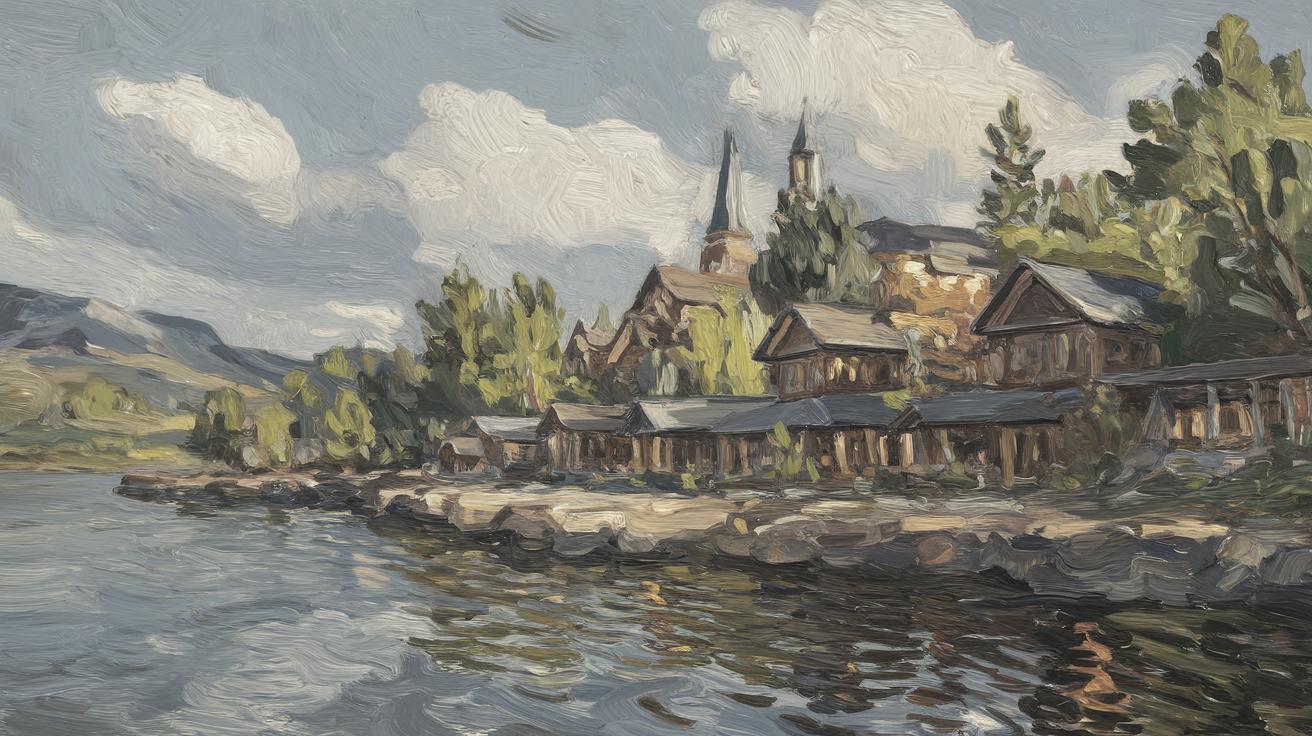
The Artistry of Oil on Copper Painting
Oil on copper painting is an art form rich in history and distinct in its aesthetic appeal. This unique medium has been employed by artists for centuries, celebrated for its luminous qualities and durability. The intrinsic properties of copper as a support material contribute significantly to the uniqueness and vibrancy of oil paintings. This blog post delves into why copper is favored over traditional canvas, exploring its physical and visual characteristics. We’ll examine the process of developing a painting on copper, highlighting techniques and considerations essential for success. Whether you’re an artist looking to experiment or a connoisseur curious about this medium’s rise to prominence, this exploration provides a comprehensive understanding of why oil on copper remains a revered choice for creating art.
Why Copper?
Copper has long captivated artists as an alternative to canvases and wooden panels due to its transformative properties. Originally used by European artists during the 16th and 17th centuries, copper offered a durable surface that resisted the kind of damage that could ruin canvas or wood. An art piece created on copper can maintain its vibrancy and detail for centuries, underscoring the longevity treasured by both creators and collectors.
Beyond durability, the malleability of copper allows for easy shaping and preparation, making it a flexible choice for artists who might want to explore creative dimensions in their work. Historically, the ease of transportation due to its lightweight nature also made copper an appealing choice for traveling artists and those attending international exhibitions.
It’s Bare Metal
One of the most appealing aspects of copper is its status as a bare metal. The lack of grain or texture provides an unblemished, immaculate base that eliminates the usual surface preparation required for other materials. This aspect grants the artist more time to focus on the painting itself rather than the preparatory work, allowing for immediate creativity.
The bare metal surface allows for an extremely smooth application of oil paints, lending an immaculate quality to every stroke. Artists find this particularly favorable for achieving highly detailed, precise work, which can be critical in portraiture or intricate compositions where every line matters.
It’s Smooth
The smoothness of copper is among its most celebrated qualities. Unlike canvas, which requires a gesso layer to create a receptive surface for paint, copper can be used with minimal preparation. This pristine smoothness enhances the paint’s adherence and allows colors to appear more vivid, creating striking results.
The lack of texture on copper means there is no interference between the brush and paint. Artists often revel in the clarity and sharpness they can achieve with copper, making it possible to focus intensely on the techniques and complexities of the art without the disruption of a grainy medium.
It’s Reflective
Copper possesses highly reflective qualities that add depth and luminosity to paintings. These reflections enhance the vibrancy of colors and contribute to the dynamic look of oil paintings, offering a radiant effect that is less achievable with canvas or wood.
As light interacts with the reflective copper surface, paintings gain an innate glow that seems to evolve throughout the day under different lighting conditions. This characteristic adds an intriguing, living quality to the artwork, engaging viewers with its luminous energy and depth.
Light to Dark
Painting on copper often involves a unique process relating to the manipulation of light and dark. The untreated metal initially reflects light but becomes an intriguing part of the painting as artists strategically apply and manipulate paint layers to harness light and shadows.
Artists can exploit these properties by using thin layers of oil paint, allowing light to penetrate through the paint and reflect off the metallic background. This technique enables the creation of dramatic contrasts and vibrant highlights, lending a sense of dimension and movement to the painting.
Developing the Painting Further
Once the foundational layers are established on copper, artists may develop their compositions further by layering and blending. The properties of both copper and oil paint allow for remarkable blending techniques, offering nuanced color transitions and sensitive textural details.
The semi-reflective quality of the initial layers on copper can guide further artistic decisions, as the artist uses surface effects to achieve particular moods or tonalities. This ongoing interaction between light and material makes oil on copper both challenging and rewarding, offering a unique expressive possibilities.
Blend With Caution
While blending paints on copper can lead to visually arresting results, caution must be taken to maintain clarity and focus in the composition. Due to copper’s smoothness, blending too vigorously can muddle colors, leading to unintended effects.
Artists must maintain a delicate balance, considering the transparency and opacity of each layer. Proper planning and technique are vital to ensure the integrity of the original composition is preserved, allowing for harmonious color interactions and transitions that enhance the overall impact of the piece.
Now, Back to Work!
With the groundwork laid and techniques refined, artists can dive back into their creative process, applying what they have learned about working with copper. Each stroke becomes an opportunity to explore new creative expressions, pushing the boundaries of this traditional yet timeless medium.
Copper’s distinctive qualities continue to inspire modern artists, melding historical methodologies with contemporary artistry. As artists embrace this medium, they contribute to its rich legacy, ensuring oil on copper remains a vibrant and evolving form of artistic expression.
Summary of Main Points
| Aspect | Description |
|---|---|
| Why Copper? | Copper’s durability and malleability make it a favored alternative to canvases and wooden panels. |
| It’s Bare Metal | No grain or texture allows for detailed, precise work with minimal preparation. |
| It’s Smooth | Copper’s smoothness enhances paint adherence and color vibrancy. |
| It’s Reflective | The reflective properties of copper lend depth and luminosity to paintings. |
| Light to Dark | Utilizing copper’s unique light manipulation for dramatic contrasts and highlights. |
| Developing the Painting Further | Layering and blending techniques advance the expressive possibilities of oil on copper. |
| Blend With Caution | Maintain color clarity and focus to prevent muddling due to excessive blending. |