
“`html
The Trials of Adelaide Labille-Guiard: Dispelling Rumors and Celebrating Art
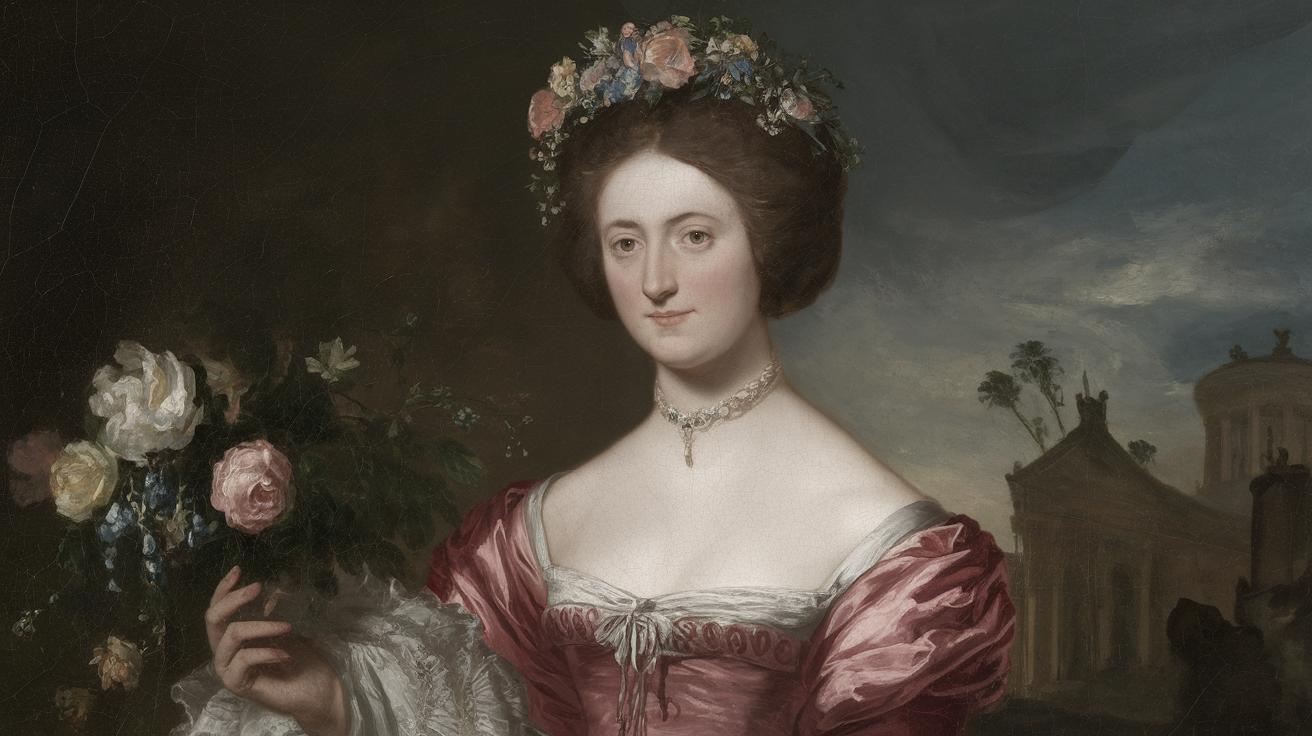
Adelaide Labille-Guiard, a pioneering female artist of the 18th century, faced numerous challenges and malicious rumors throughout her distinguished career. Despite these formidable obstacles, she remained steadfast in her commitment to her artistic vision, ultimately becoming one of the first women admitted to the prestigious French Académie Royale de Peinture et de Sculpture in 1783.
This comprehensive examination delves into the various rumors and gender-based discrimination Labille-Guiard confronted, analyzing their profound impact on her career trajectory and personal life. We explore how she overcame these systematic barriers through exceptional talent and unwavering determination, cementing her legacy as both a revolutionary portraitist and a trailblazing advocate for women artists in 18th-century France.
Historical Context: Women Artists in 18th Century France
The artistic landscape of 18th-century France presented unprecedented challenges for female painters and sculptors. Gender discrimination was institutionalized within the art establishment, with the Académie Royale limiting female membership to just four women at any given time. This systematic exclusion created an environment where talented women artists faced constant scrutiny and skepticism about their abilities.
Social conventions of the era dictated that women should focus on domestic pursuits rather than professional artistic careers. Female artists were often relegated to painting flowers, still lifes, or miniatures, while prestigious history painting and large-scale portraiture remained male-dominated domains. Understanding this context is crucial to appreciating the magnitude of Labille-Guiard’s achievements.
About the Author
Adelaide Labille-Guiard was born on April 11, 1749, in Paris, into a middle-class family that recognized and nurtured her exceptional artistic inclinations from an early age. Her father, Claude Edme Labille, was a haberdasher who supported his daughter’s unconventional career path despite societal pressures.
She initially trained under François-Elie Vincent, a respected painter who later became her second husband in 1800. Her artistic education was comprehensive, encompassing both traditional techniques and innovative approaches to oil painting and pastel portraiture. Her early works demonstrated remarkable technical proficiency and emotional depth that would become her signature style.
Despite her exceptional prowess, Labille-Guiard’s journey was fraught with gender-based obstacles and persistent rumors designed to undermine her credibility. As a woman in the male-dominated art world, she encountered systematic discrimination, professional jealousy, and malicious gossip that questioned her artistic integrity and technical capabilities.
The Nature of Rumors and Gender-Based Discrimination
The rumors surrounding Adelaide Labille-Guiard were both diverse and strategically malicious, often targeting her technical capabilities, professional integrity, and personal relationships. These unfounded allegations represented broader societal resistance to women’s professional advancement in the arts.
Professional sabotage took various forms, including claims that her remarkable success resulted solely from personal connections rather than artistic merit. Critics suggested that her paintings were actually created by male colleagues or mentors, a baseless accusation designed to discredit her achievements and maintain male dominance in the field.
Specific Allegations and Their Impact
One persistent rumor claimed that Labille-Guiard’s technical mastery was impossible for a woman to achieve independently. Art critics and rival artists spread allegations that her mentor François-Elie Vincent was the true creator of her most celebrated works. These accusations were particularly damaging because they struck at the core of her professional identity.
Another category of rumors focused on her personal relationships and moral character. In an era where women’s reputations were easily tarnished, these personal attacks served to undermine her professional standing. The intersection of gender bias and professional jealousy created a toxic environment that many female artists of the period could not survive.
Posted In
Labille-Guiard’s artistic output was predominantly oil portraits and pastel paintings, capturing the likenesses of prominent figures including members of the French royal family, aristocrats, and fellow artists. Her technical mastery of both mediums demonstrated versatility that few artists of her era possessed.
Her acceptance into the Académie Royale on May 31, 1783, was not merely a personal triumph but a significant milestone in art history. This achievement occurred on the same day as Élisabeth Vigée Le Brun, another exceptional female portraitist, highlighting the exceptional talent of both women and the Academy’s reluctant recognition of female artistic excellence.
Her artistic legacy is preserved in prestigious institutions worldwide, including the Louvre Museum, the Metropolitan Museum of Art, and the National Gallery of Art. Her works continue to be studied and celebrated by art historians, feminist scholars, and contemporary artists who recognize her groundbreaking contributions to portraiture and women’s advancement in the arts.
Artistic Techniques and Innovations
Labille-Guiard’s painting technique was characterized by meticulous attention to detail, sophisticated color harmonies, and psychological depth in her subject portrayals. Her mastery of oil painting rivaled that of her male contemporaries, while her pastel works demonstrated exceptional skill in capturing subtle flesh tones and textile textures.
Her innovative approach to self-portraiture challenged conventional representations of female artists. Her famous “Self-Portrait with Two Pupils” (1785) boldly depicted herself as a teacher and mentor, asserting her authority and expertise in a male-dominated profession. This work serves as both artistic achievement and feminist statement.
Technical Mastery and Style Evolution
Throughout her career, Labille-Guiard developed a distinctive style that balanced neoclassical precision with emotional authenticity. Her brushwork evolved from the detailed finish typical of 18th-century portraiture to a more confident, expressive technique that anticipated 19th-century developments in painting.
Her color palette demonstrated sophisticated understanding of color theory and optical effects. She skillfully employed warm and cool tones to create depth and atmosphere, while her handling of light and shadow revealed thorough knowledge of chiaroscuro techniques inherited from Old Master traditions.
Tagged:
The systematic campaign of rumors against Labille-Guiard reflected broader societal anxieties about women’s professional capabilities and social roles. These gender-based attacks were not unique to her experience but represented common strategies used to marginalize successful women across various professions.
Professional jealousy from male artists who felt threatened by her success fueled many of these malicious rumors. Her technical excellence and growing reputation challenged established hierarchies within the art world, prompting defensive reactions from those who benefited from existing gender-based exclusions.
In response to these unfounded allegations, Labille-Guiard adopted a strategy of artistic excellence and professional dignity. Rather than engaging in public disputes, she allowed her paintings to speak for themselves, consistently producing exceptional work that gradually silenced her critics and established her reputation on unshakeable foundations.
Strategies for Overcoming Professional Obstacles
Labille-Guiard’s response to discrimination was multifaceted and strategically brilliant. She cultivated relationships with influential patrons who could provide protection and opportunities, while simultaneously mentoring younger female artists to create a support network for women in the arts.
Her teaching activities were particularly significant, as she trained numerous female students who went on to successful careers. This mentorship approach created a legacy that extended beyond her individual achievements, contributing to the gradual acceptance of women as serious professional artists.
Contemporary Recognition and Modern Scholarship
Modern art historians and feminist scholars have extensively reevaluated Labille-Guiard’s contributions to 18th-century art, recognizing her technical mastery and historical significance. Recent exhibitions and publications have restored her rightful place in art history, correcting decades of marginalization and neglect.
Museum acquisitions and scholarly research continue to expand understanding of her artistic development and cultural impact. Digital humanities projects have made her works more accessible to global audiences, while academic conferences regularly feature presentations on her techniques, patronage networks, and influence on subsequent generations of artists.
Influence on Contemporary Female Artists
Contemporary women artists frequently cite Labille-Guiard as an inspiration and role model, particularly her determination to succeed despite systematic discrimination. Her example demonstrates that artistic excellence combined with strategic thinking can overcome even the most entrenched barriers to professional advancement.
Feminist art historians have positioned her work within broader narratives of women’s struggle for professional recognition and creative autonomy. Her story resonates with contemporary discussions about gender equality in the arts and the ongoing need to support women artists facing similar challenges.
Author: Ellen Moody
This comprehensive analysis was crafted by Ellen Moody, a distinguished writer and art historian specializing in the study of women artists and their contributions to cultural history. Ellen holds advanced degrees in Art History and Women’s Studies, with particular expertise in 18th and 19th-century European art.
Ellen’s scholarly work focuses on bringing to light the stories of pioneering women artists who shaped cultural history despite facing systematic societal challenges and institutional discrimination. Her research methodology combines traditional art historical analysis with feminist theory and social history approaches.
Through meticulous archival research and innovative interpretive frameworks, Ellen illuminates the barriers these remarkable women faced and the lasting legacies they created. Her work ensures that their stories resonate with contemporary audiences while contributing to ongoing scholarly discourse about gender, art, and cultural power.
Research Methodology and Sources
Ellen’s research draws upon extensive primary sources, including 18th-century exhibition catalogs, contemporary reviews, personal correspondence, and institutional records from the Académie Royale. This documentary evidence provides crucial insights into the social and professional contexts that shaped Labille-Guiard’s career.
Her interdisciplinary approach incorporates insights from social history, gender studies, and cultural analysis to create comprehensive portraits of historical women artists. This methodology reveals the complex intersections of artistic talent, social constraints, and individual agency that defined these remarkable careers.
Share this:
Related
Those interested in Adelaide Labille-Guiard’s story will find the narratives of her contemporaries equally compelling and instructive. Élisabeth Vigée Le Brun, another acclaimed female portraitist of the same era, faced similar scrutiny and gender-based discrimination while achieving remarkable success as court painter to Marie Antoinette.
Comparative studies of these two artists reveal both shared challenges and different strategies for navigating the complex social and professional landscape of 18th-century France. Their parallel careers highlight the exceptional talent and determination required for women to succeed in the arts during this period.
For further exploration, consider examining collections and scholarly anthologies that celebrate women artists throughout history. These resources provide invaluable insights into the lives, techniques, and cultural impact of female creatives who dared to challenge societal norms and establish lasting artistic legacies.
Recommended Further Reading
Academic resources for deeper study include recent monographs on 18th-century women artists, exhibition catalogs from major museums, and peer-reviewed articles in art history journals. These sources provide scholarly analysis and high-quality reproductions of key works.
Digital archives and museum websites offer extensive collections of primary sources, including letters, contracts, and contemporary reviews that illuminate the daily realities of professional women artists in historical contexts. These materials are essential for understanding the full scope of their achievements and challenges.
Final thoughts
| Section | Content Summary | Key Insights |
|---|---|---|
| Historical Context | 18th-century challenges for women artists and institutional discrimination | Systematic barriers required exceptional talent and strategic thinking to overcome |
| About the Author | Background on Adelaide Labille-Guiard, her artistic journey, and achievements despite societal challenges | Early support and comprehensive training were crucial to her later success |
| Nature of Rumors | Analysis of gender-based discrimination and professional sabotage tactics | Rumors reflected broader societal resistance to women’s professional advancement |
| Posted In | Her work and impact, highlighting her acceptance into the Académie Royale and artistic contributions | Technical mastery in multiple mediums demonstrated exceptional versatility |
| Artistic Techniques | Detailed analysis of her painting methods, innovations, and style evolution | Her self-portraits served as both artistic achievements and feminist statements |
| Tagged | Discussion of the rumors she faced, their nature, and how she countered them through her art | Strategic focus on artistic excellence proved more effective than direct confrontation |
| Contemporary Recognition | Modern scholarly reevaluation and her influence on contemporary artists | Digital humanities and feminist scholarship have restored her historical significance |
| Author: Ellen Moody | Introduction to Ellen Moody and her focus on uncovering the stories of women in the arts | Interdisciplinary methodology reveals complex intersections of talent, society, and agency |
| Related | Suggestions for further reading and exploration of similar artists facing comparable challenges | Comparative studies illuminate shared strategies and individual approaches to success |
“`